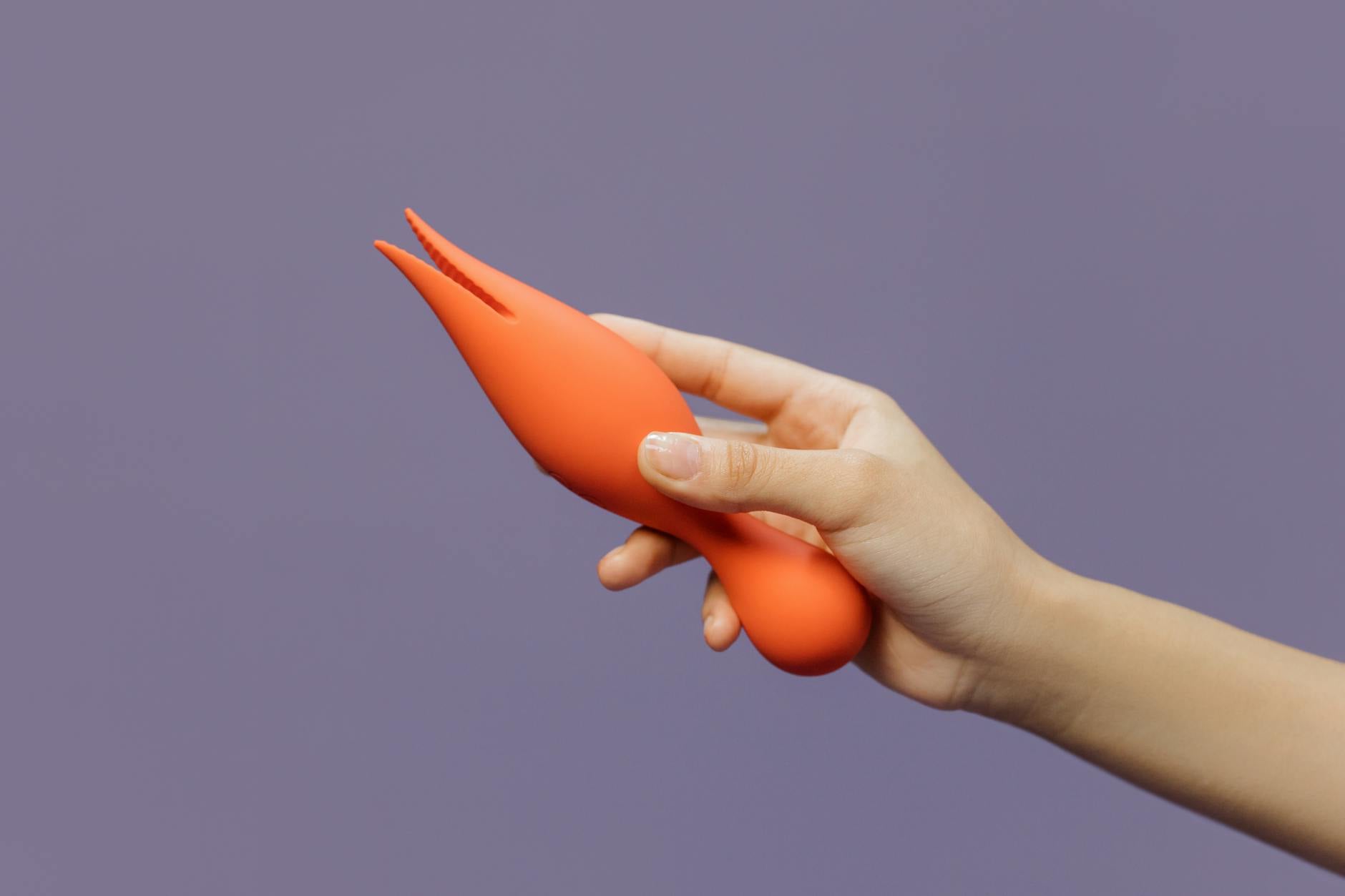
Let's start with what nobody tells you about pelvic floor recovery
Your pelvic floor is not just about sex. It supports your bladder, bowel, and uterus. When it's tight from stress, weak from childbirth, or recovering from surgery, pleasure gets complicated. You might feel numbness, hypersensitivity, pain, or a sensation of fullness that makes normal stimulation feel wrong.
Here's what matters: you can still have pleasure during recovery. You just need to approach it differently than you did before.
Why pelvic floor tension changes how vibration feels
Tight pelvic floor muscles restrict blood flow to the clitoris and vagina. This means arousal happens slower, sensitivity drops, and direct vibration can feel painful or frustrating instead of good. Weak pelvic floor muscles have the opposite problem. They feel floppy, less responsive, and orgasms can feel shallow or incomplete.
The confusing part? Both situations can create numbness. A hypertonic pelvic floor (too tight) numbs sensation through muscle tension. A hypotonic pelvic floor (too weak) numbs it through lack of engagement.
That's why generic advice like "just use a vibrator" fails. You need a strategy that matches what's actually happening in your body.
How to assess your pelvic floor status before using lemon vibrators
Three quick checks:
Can you voluntarily clench your pelvic floor? Imagine stopping the flow of urine midstream. If you can do this easily, your pelvic floor has baseline tone. If you can't or it's hard, you likely have weakness. If clenching feels impossible or creates immediate discomfort, you likely have tension.
What happens during arousal? Does your pelvic floor naturally relax as you warm up, or does it tighten more? Normally it relaxes. If it tightens, that's tension. If it never engages at all, that's weakness.
How does direct touch feel? Use your finger to gently press the area where your pelvic floor meets the underside of the vulva, just inside the entrance. Does it feel numb, tender, achy, or normal? This tells you whether you have hypersensitivity or numbness.
If you're unsure, pelvic floor physical therapy is worth the investment. A specialist can assess your actual baseline and give you targeted strategies.
Using Lemon Nancy's clitoral vibrators with pelvic floor tension
If your pelvic floor is tight, direct vibration can feel jarring. Here's what works better:
Start with external-only stimulation. The clitoris sits outside your body. You can absolutely focus all sensation there without involving the pelvic floor directly. Use your lemon vibrator on the surface of the clitoris, not pressed deep into the vulva.
Use lower intensity settings. If you normally use setting 5 on a lemon clitoral vibrator, start at 1 or 2. Let your pelvic floor stay relaxed. As you warm up and the tension releases naturally, you can increase intensity.
Add intentional relaxation. As you use your vibrator, consciously soften your pelvic floor. Think of it like unpacking a muscle that's been clenched all day. Breathe deeply. The vibrator plus conscious relaxation is way more effective than vibrator alone.
Use a water-based lubricant. Tension often comes with reduced natural lubrication. Lube reduces friction, which means you need less pressure and intensity to feel good. This keeps you from accidentally tightening further.
Limit sessions to 10-15 minutes. Extended vibration can fatigue an already tight pelvic floor. Shorter, intentional sessions are better than long sessions that leave you feeling sore.
Using Lemon Nancy's clitoral vibrators with pelvic floor weakness
Weak pelvic floor muscles need engagement, not relaxation. This is different.
Do light Kegels before pleasure. Spend 2 minutes doing gentle pelvic floor contractions before you use your vibrator. Clench for 2 seconds, relax for 2 seconds, repeat 10 times. This wakes up the muscles and brings blood flow to the area.
Use moderate to higher intensity. A weak pelvic floor needs more stimulation to feel sensation. You might find that a lemon sucker like the Lem, which uses suction rather than pure vibration, actually works better because it creates a pulling sensation that engages the muscles.
Engage the pelvic floor during stimulation. As you use your vibrator, gently clench and release your pelvic floor in rhythm with the sensation. This isn't about doing formal Kegels. It's about active participation. The muscle engagement plus vibration creates feedback that rebuilds tone faster.
Expect slower arousal. Weak pelvic floor muscles take longer to engage. Budget 15-20 minutes instead of 5. Rushing defeats the purpose.
Consider pelvic floor therapy in parallel. The best results come from combining vibrator use with actual physical therapy. A pelvic floor PT can give you exercises that rebuild strength between sessions of pleasure.
What happens if you feel pain or sharp discomfort
Pain is not part of recovery. Sharp pain, burning, or a feeling like you're being stabbed means stop immediately.
Pain usually signals one of three things: you're using too much intensity, your pelvic floor is too tight and needs deeper relaxation work (possibly with a therapist), or there's an actual medical issue that needs attention.
If pain persists across multiple sessions, get it checked by a gynecologist or pelvic floor specialist. You might have vaginismus, pelvic floor dysfunction, or another condition that needs specific treatment before pleasure-focused stimulation makes sense.
Positioning matters more during recovery
How you position your body changes how your pelvic floor engages.
Lying on your back with knees bent is usually the easiest during recovery because your pelvic floor is naturally more relaxed. Gravity isn't working against you.
Sitting or squatting positions activate the pelvic floor more, which is good if you have weakness but bad if you have tension.
Side-lying is a nice middle ground. Your pelvic floor is engaged enough to feel sensation, but not so much that tension builds.
Experiment. Your body will tell you what feels right.
Timing your sessions with your body's rhythms
Pelvic floor tension often gets worse later in the day or during high-stress periods. Your pelvic floor tightens when you're anxious or rushed, just like your shoulders do.
If you have pelvic floor tension, use your vibrator during calm moments. Morning, after a bath, after meditation. Not when you're stressed about a deadline.
If you have weakness, timing matters less because you're trying to activate the muscles. But still, earlier in the day when you have more energy generally works better than late night.
When to involve your partner (or not)
If your pelvic floor is tight, solo play often feels safer and more predictable than partnered sex. You control the pace, intensity, and sensation. That control is therapeutic. Use it.
If your pelvic floor is weak, how to use lemon vibrators when exploring pleasure with a new partner becomes relevant because communication about sensation changes is crucial. Your partner needs to understand that this isn't about them. It's about your body rebuilding.
If you're with a partner you already trust, this is a good time to be honest: "My pelvic floor needs specific care right now. I'm using a vibrator as part of that. I need you to understand this is recovery, not rejection."
Combining vibrator use with actual recovery work
The most important thing: using a lemon vibrator is not the same as treating pelvic floor dysfunction. It's one tool within a larger practice.
The real work includes breathing exercises, stretching, pelvic floor physical therapy, stress management, and sometimes medical treatment. If you're in active recovery, talk to a pelvic floor PT before you start any new pleasure practice.
That said, pleasure is healing. When your pelvic floor gets to experience sensation in a way that feels good, that builds positive neural pathways. You're teaching your body that this part of you is safe and capable of feeling good. That matters.
FAQ: Pelvic Floor Recovery and Lemon Vibrators
How long does pelvic floor recovery usually take?
It depends on what caused the dysfunction. Postpartum recovery typically takes 6-12 weeks before you feel baseline sensation return, but full recovery can take months or years. Pelvic floor tension from stress can improve in weeks with consistent relaxation work. Surgery recovery is usually 4-8 weeks before any sexual activity is safe. Talk to your doctor about your specific situation.
Can I use a lemon vibrator immediately after childbirth or pelvic floor surgery?
No. You need clearance from your doctor first, usually 6-8 weeks postpartum or post-surgery. Even then, start slowly. Your tissues are healing. Use the lowest intensity, shortest duration, and most gentle approach possible. Pain means stop.
Does using a vibrator actually help pelvic floor strength, or does it make it worse?
It depends on how you use it. If you use it correctly as part of a recovery practice, vibrators combined with intentional pelvic floor engagement can actually help rebuild tone and sensation. But if you use high intensity on a tight pelvic floor, it can aggravate tension. Pair vibrator use with actual physical therapy for best results.
Why does suction feel better than vibration when my pelvic floor is weak?
Suction creates a pulling sensation that naturally engages the pelvic floor. Your muscles reflexively contract toward the suction. Vibration is more surface-level. If you have weakness, that pelvic floor engagement from suction is actually therapeutic. This is why devices like the Lem work so well during recovery.
Is it normal to feel nothing at all during recovery?
Completely normal. Numbness from weak pelvic floor muscles or tension-related restricted blood flow is common. It usually means you need more time, more relaxation work, or both. It doesn't mean sensation is gone forever. Patience and consistency rebuild it.
Can stress alone cause pelvic floor dysfunction that affects pleasure?
Yes. Chronic stress tightens your pelvic floor the same way it tightens your shoulders and jaw. You can have a perfectly healthy pelvic floor anatomically but still experience tension, numbness, and reduced sensation purely from stress and anxiety. Therapy, breathing work, and relaxation practices often help as much as physical therapy.
The real timeline: what actually happens
During recovery, pleasure doesn't disappear. It transforms. Your body needs time to relearn what sensation feels like. You need tools that respect that process instead of fighting it.
Lemon Nancy's clitoral vibrators work because you can control everything. Intensity. Duration. Position. That control is exactly what your pelvic floor needs while it heals. Use it. Be patient with yourself. Your pleasure is worth the time this takes.