Let's talk about the conversation you're dreading
You've met someone. The chemistry is there. Sex is good. And now you're thinking about toys, and that thought immediately feels complicated. Will they think you're not satisfied? Will it feel clinical? What if they say no?
Here's the thing. Bringing toys into a new relationship isn't about fixing anything or implying your partner isn't enough. It's about expanding what's possible together. And if you approach it with honesty instead of apology, most partners get that immediately.
Why the conversation matters more than the toy
I work with couples constantly who skip the conversation and go straight to surprise toy introduction. It almost never lands the way they hoped. Why? Because pleasure isn't just physical. It's built on trust, communication, and feeling genuinely wanted.
When you bring toys into a new relationship without talking first, your partner has to process three things at once: the toy itself, the fact that you want something different, and the anxiety that maybe you've been unsatisfied all along. That's too much to metabolize in the moment.
A ten-minute conversation beforehand eliminates all three problems at once.
When and how to have the conversation
Timing matters. Not during sex. Not right after sex when your brain is offline. Pick a moment when you're both clothed, alert, and have privacy. This can be over coffee, in bed before sleep, or literally anywhere you'd have a normal conversation about something that matters to you.
Start with honesty about yourself, not about what you need from them. "I've been thinking about exploring vibrators, and I'm curious about it" is different than "I want to use a vibrator because sex isn't satisfying enough." One is an invitation to adventure. The other sounds like a complaint.
If you've used lemon vibrators or other toys before, mention that. If this is new territory for both of you, say that too. Partners respond well to authenticity and vulnerability. They respond badly to anything that sounds like criticism masquerading as a suggestion.
Then ask what they think. Actually ask. Don't assume their answer.
The objections you might hear (and how to navigate them)
Some partners worry that toys mean they're not enough. This is the most common one, and it's worth taking seriously, not dismissing. Validate the feeling first. "I get why that might feel like a threat. For me, it's not about you not being enough. It's about us exploring something together."
Others worry it will hurt, or that they'll use it wrong, or that they'll feel less involved. These are all solvable logistics problems, not relationship problems. "I want us to explore this together. You'd be involved the whole time. We can go as slow as you want."
A few partners are genuinely not interested, and that's okay. That's a real preference, and you have to respect it. But in my experience, most hesitation comes from uncertainty, not actual objection. Once they understand it's not a referendum on their adequacy, they often come around.
Choosing the right toy for two people
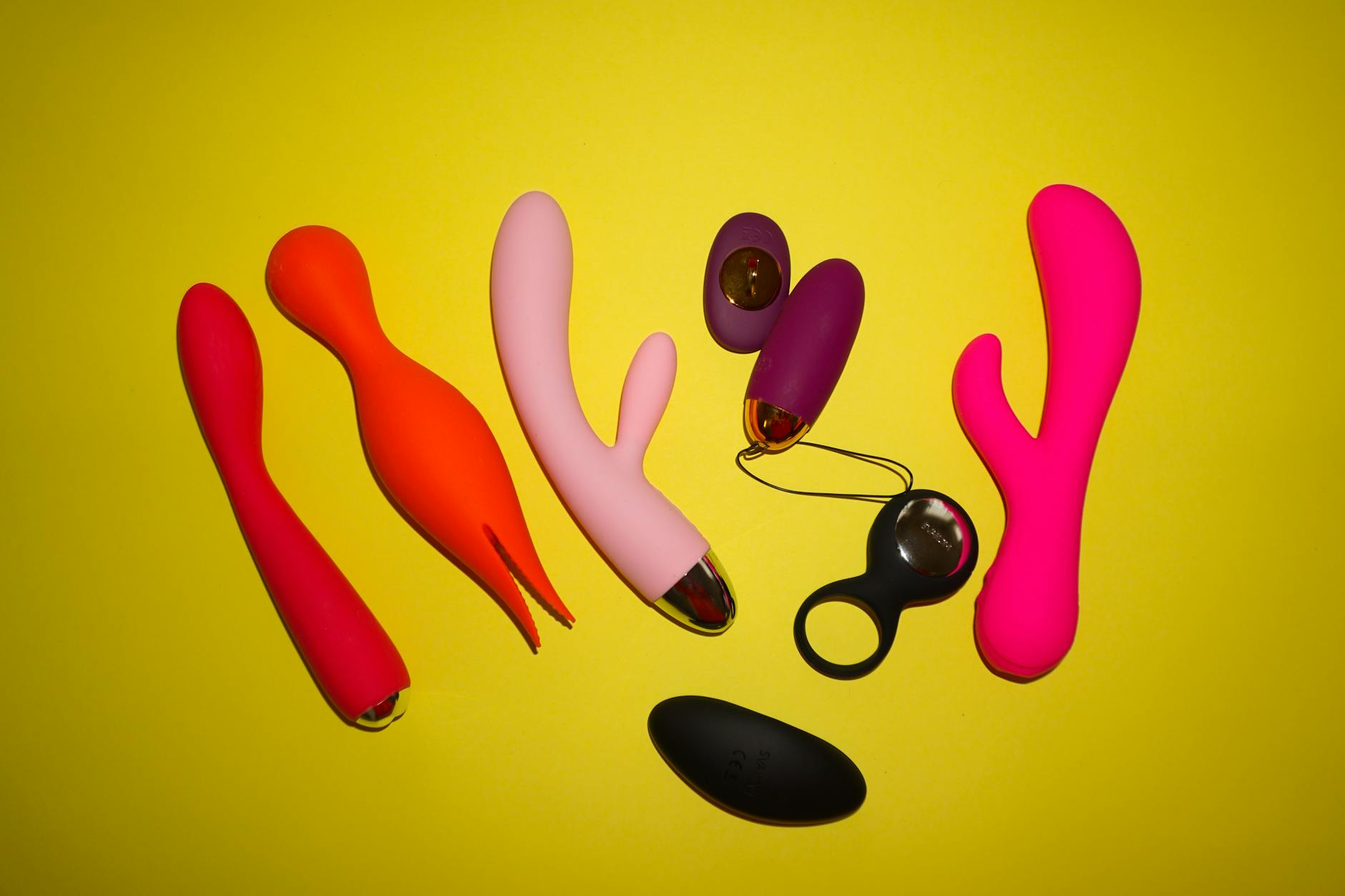
If your partner does get on board, don't immediately reach for something complicated. A clitoral vibrator like those from Lemon Nancy is perfect for a new couple because it's straightforward, effective, and creates space for both of you to be involved.
Lemon vibrators work because they're intuitive. No learning curve. Low pressure. They don't require deep internal penetration, which means less pressure on your partner to perform in a specific way. Everyone can relax.
When you're shopping, involve your partner if they're willing. Let them see the options. Sometimes the anticipation and planning together is half the pleasure anyway. You're building excitement, not just buying equipment.
How to actually use it together the first time
First time with a toy as a couple is not the time to be fancy. You want comfort and simplicity. Low intensity. Plenty of lubrication. And explicit permission to pause or stop at any moment without explanation.
Some couples like the partner to hold it. Others prefer one person using it on themselves while the other provides other touch. Some prefer to take turns. None of these is right or wrong. What matters is that you're communicating in real time. "Does this feel good?" is a question you should be comfortable asking mid-session.
Lemon clitoral vibrators are quiet enough that you don't have to be self-conscious, which helps with the mental relaxation piece. You can focus on sensation instead of logistics.
Consider setting a low expectation for the first time. You're not trying to have the best sex of your lives. You're trying to figure out how this feels for both of you and whether you want to do it again. Lower stakes, more room for exploration.
What changes in the relationship when you do this together
Here's what I've observed in my practice. Couples who introduce toys early tend to have significantly better sexual communication overall. Why? Because you've already had the vulnerable conversation. You've already admitted curiosity and desire. The door is open.
It also tends to create more collaborative sex, less performative sex. When you're using a toy together, you're clearly not trying to impress each other with some fantasy version of yourself. You're trying to feel good. That shift from performance to presence is everything.
And honestly, it signals something deeper. You're saying, "I trust you enough to show you my desires without shame." That builds intimacy fast.
The logistics no one talks about
If you're going to keep using toys together, you need a storage plan. Not hidden or shameful, just practical. A small drawer, a bag, wherever. Toys need to be cleaned after use, which is way simpler than it sounds. Most silicone toys from Lemon Nancy just need warm water and a tiny bit of soap.
Talk about battery life or charging before you need it. Nothing kills the moment like "Oh, it's dead." If you're using a rechargeable lemon vibrator, charge it after use like you'd charge your phone.
You might also want to establish a signal system. Some couples like to discuss what they want to try before getting physical. Others like spontaneity. Work out what feels natural for you both.
When things don't go as planned
Sometimes one partner gets into it immediately and the other takes longer. That's completely normal. Curiosity doesn't always arrive on the same schedule.
Sometimes the toy feels weird at first and gets better with familiarity. That's also normal. Your body adapts.
And sometimes you try it once and neither of you is that interested. That's valid too. The point wasn't the toy. The point was the conversation and the willingness to explore together.
I've seen couples use toy exploration as the beginning of a whole phase of expanded intimacy. I've also seen couples do it once, realize it's not their thing, and move on. Both outcomes mean the relationship is working because you're communicating.
The bigger picture here
Introducing toys with a new partner is really about practicing sexual honesty. You're learning to ask for what you want. Your partner is learning to receive that request without defensiveness. Both of you are learning that desire and curiosity are good things, not threats.
That skill set matters way beyond toys. It sets the tone for how you'll navigate everything that comes next. Mismatched libidos. Age and hormonal changes. Life stress. Boredom after years together. If you can talk about a vibrator without shame, you can talk about anything.
Start the conversation this week. Pick the right moment. Be honest. Listen to what your partner says. Whatever happens next, you'll have built something solid. That's the real intimacy.
People also ask
Is it weird to use a vibrator with someone you just started dating?
Not at all. In fact, introducing toys early often makes things less weird because you're getting comfortable with direct communication about pleasure from the beginning. It signals maturity and openness on both sides. The only way it becomes weird is if you frame it as weird. If you approach it as "I'm curious about this and want to explore it with you," most partners respond positively.
How do I know if my partner will be okay with a vibrator?
You won't know until you ask. That's the whole point of the conversation. Some partners who seem traditional end up being totally curious. Others who seem adventurous might have reservations. People aren't predictable about this stuff. The only way to find out is honest communication. If your partner refuses entirely, that's real information about their boundaries, and you can respect that or decide it's incompatible with what you want.
Can my partner use a lemon vibrator on me without me using it on myself first?
Absolutely. Some people prefer that because there's less pressure to perform or control the experience. You can guide your partner through what feels good, and they can learn your body through touch and your feedback. This can actually feel more intimate than using it solo because you're explicitly teaching each other.
What if my partner wants to use the vibrator on themselves, not me?
That's totally valid and worth welcoming. You get to explore pleasure together even when the vibrator is focused on one person. Your role becomes presence, touch, and engagement rather than being the one holding the toy. For many couples, this feels less transactional and more connected.
Should we talk about boundaries before using the vibrator?
Yes. Simple boundaries help: What intensity levels feel good? Do you want it during foreplay only or throughout? Are there places you don't want it used? Can either of you stop at any time for any reason? These don't have to be formal or serious. You can laugh about them. But naming them means you both feel safe.
What if we try it and it doesn't feel good?
Then you stop and do something else. Sex with a partner should never feel like you're trying to make something work that isn't working. If a lemon vibrator doesn't hit for either of you, you move on. You've still accomplished the real goal: you've talked openly about pleasure, you've experimented together, and you've learned something about what you both like. That's a win.
If you want to explore how to use lemon vibrators when you return to sex after a long break, that guide covers similar ground for people restarting after a pause rather than beginning fresh. You might also find value in reading about how to use lemon vibrators when partners have different arousal speeds, which addresses another common dynamic in new relationships.
The conversation about pleasure is worth having early and often. Your future self will thank you for it.