Let's start with the real thing
Arousal used to happen fast. Now it doesn't. And you're wondering if that's normal, if it's your body, if it's your partner, or if you've just lost something that used to work. Here's the truth: slower arousal is one of the most common shifts people experience, and it's almost never about being broken.
It shows up at different life stages. After kids, after hormonal changes, after a period of stress, after a major health event, after years in the same relationship. Sometimes it's all of those at once. The good news is that lemon vibrators, specifically their suction-based design, are genuinely built for this. They work with a slower arousal curve, not against it.
Why arousal is actually slowing down
There are physiological reasons for this that have nothing to do with desire. Arousal requires a chain reaction: nervous system activation, blood flow to the genitals, psychological focus, hormonal presence. When any part of that system is taxed, the whole process takes longer. Here are the most common culprits.
Stress and cortisol. When your nervous system is running on high alert, parasympathetic activation (the state where arousal happens) takes a back seat. Chronic low-level stress doesn't need to be dramatic to derail arousal. Just a constant hum of fatigue, work pressure, or family responsibility can stretch your warm-up time from five minutes to thirty.
Hormonal changes. Birth control, stopping birth control, perimenopause, menopause, thyroid shifts. Any significant hormonal event can shift how quickly arousal builds. This isn't a permanent state, but it does require adjustment.
Relationship routine. After months or years with the same partner, novelty neurologically decreases. The same touch that once fired you up now reads as familiar. Your nervous system has adapted. That doesn't mean attraction is gone. It means your arousal needs different input to wake up.
Age and metabolism. As you age, blood flow takes longer to redirect, neurological response slows slightly, and the hormones that fuel spontaneous arousal often decline. This is gradual, not sudden, and it's not the same for everyone.
The shared thread: none of these are character flaws. They're just the conditions your body is working with right now.
Why slow arousal matters for lemon vibrator design
Most vibrators are designed for people whose arousal is already partially built. They're optimized for speed and intensity. That works great when you're already warmed up. When arousal takes time, a blunt, high-intensity toy can feel jarring. You're not ready for it yet. Your tissues aren't primed. Your nervous system isn't receptive.
Lemon vibrators, and specifically the suction-based design of the Lem, work differently. Instead of pure vibration, suction creates a gentler stimulation pattern that doesn't require your body to be fully aroused to feel good. You can start at a low intensity and build gradually. The sensation itself helps wake up arousal rather than demanding that arousal already exist.
That's the real shift: moving from a tool that requires arousal to a tool that generates it.
How to use a lemon vibrator when arousal is slow
The framework changes entirely when you're working with slower arousal. Here's what actually works.
Start thirty minutes earlier than you think you need to. Not with the toy. With rituals that prime your nervous system. A bath, a podcast you enjoy, a walk, tea, dim lighting, your phone on silent. These aren't foreplay. They're nervous system regulation. You're downshifting from the day into a state where arousal can actually happen. Budget fifteen to thirty minutes for this before any genital touch.
Use the lemon vibrator as your warm-up tool, not your finish line. Most people reverse this. They do manual stimulation until they're almost there, then bring in the toy. If arousal is slow, flip it. Introduce the Lem at a low pattern (usually settings 1 or 2) much earlier than you'd think to. Let the sensation itself help build arousal. Start gently on the outer labia, not directly on the clitoris. Your nervous system needs time to register pleasure before intensity.
Expect the first ten to fifteen minutes to feel subtle. This isn't edging. This is arousal waking up. At low intensity, a lemon clitoral vibrator feels more like persistent, gentle pressure than traditional vibration. That's the point. You're signaling to your nervous system that pleasure is available. Slowly, sensation builds. Sensitivity increases. Then you can increase intensity.
Layer sensation. If arousal is slow, add input from other senses. A partner's hand elsewhere on your body, a particular song, specific smells, temperature changes. Your nervous system needs more threads of stimulation to flip into arousal mode. The lemon vibrator becomes one element in a richer landscape, not the whole show.
Never rush the plateau phase. Once you feel arousal genuinely building, stay in that zone for several minutes before increasing intensity. This lets your body catch up with itself. Many people with slower arousal accidentally derail themselves by ramping up intensity before their nervous system is actually ready. Patience here is the accelerant.
The partner piece when arousal is slow
If you have a partner, this becomes a conversation, not a failure. "I've noticed my body takes longer to warm up" is completely different from "I'm not interested" or "there's a problem with us." One is a logistics question. The other two are relationship questions. Don't merge them.
Your partner can help by being present in the slow part. Not performing arousal for you, but being there while you access it. This might look like: they're in the room, they're touching you non-genitally, they're kissing your neck, they're just present while you use the Lem on yourself. That presence often paradoxically speeds arousal because your nervous system feels safe.
Where many couples get stuck is that the slower partner (whoever that is) feels pressure to speed up for the faster partner's benefit. Then arousal becomes a chore. Then the tool doesn't work because the whole context is off. If you're using a lemon vibrator specifically because arousal is slow, the permission to take that time is the real medicine.
When to know if something else is going on
Slow arousal is normal and usually temporary. But very absent arousal, or arousal that's new and distressing, is worth discussing with someone. A doctor or therapist can help you figure out if it's stress, hormones, medication, or relationship disconnection. Sometimes it's multiple things. A professional can help separate them.
Specifically: if arousal is slow but still present, if you can build to pleasure even if it takes longer, if lubrication is normal even if arousal takes time. That's the slow arousal framework. If arousal is completely absent, if lubrication has stopped, if pain appears, or if your desire has genuinely vanished, that's a different conversation with a healthcare provider.
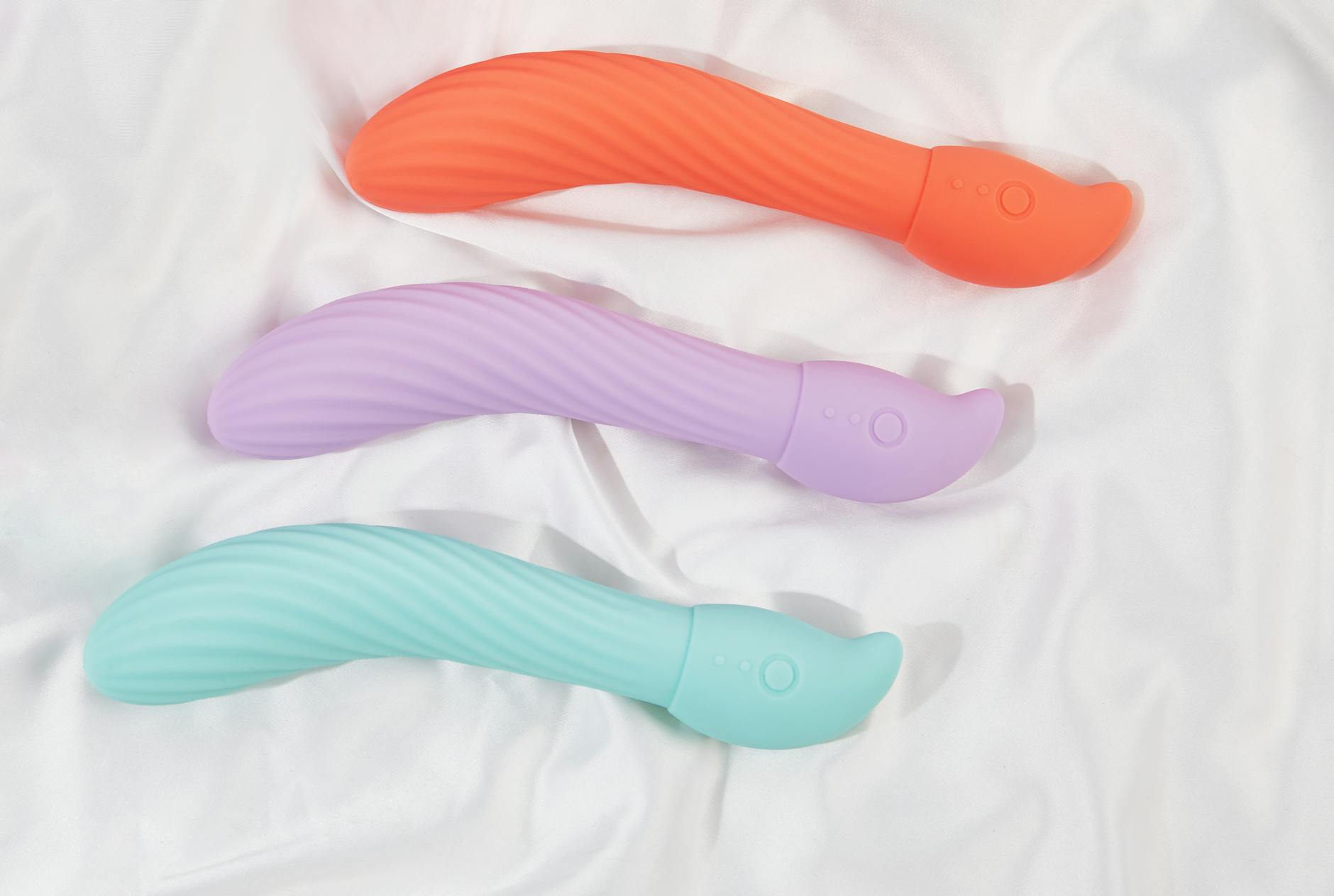
Photo by IFONNX Toys on Pexels
The actual timeline with a lemon vibrator
Here's what realistic looks like when you're working with slower arousal and a lemon clitoral vibrator.
Minutes 1-15: Nervous system settling. Low-intensity suction begins the signal. Sensitivity is building. You might feel little. That's normal. You're not broken. You're waking up.
Minutes 15-25: Arousal is actually moving now. Sensation is more noticeable. You might increase intensity slightly to pattern 3 or 4. Blood flow is increasing. Lubrication might be shifting. Your nervous system is now actively generating pleasure.
Minutes 25-40: Full arousal. You know this feeling. Your body is engaged. Intensity can increase further. Orgasm might be close or far away. That's fine. The buildup was the point.
This entire arc takes twice as long as vibration-only toys. That's not a bug. That's the whole reason this approach works. You're not fighting your body's rhythm. You're honoring it.
FAQ
Why does suction feel different than vibration when arousal is slow?
Vibration relies on your tissue already being somewhat engorged and sensitive. Suction creates stimulation through pressure change and gentle pulling, which your nerve endings respond to even when arousal is just beginning. You don't need to be partially aroused already for suction to feel good. It generates arousal rather than requiring it as a prerequisite.
Is slow arousal a sign that I've lost attraction to my partner?
Not necessarily. Slow arousal can happen with a partner you're deeply attracted to. It's usually about nervous system state, stress levels, hormones, or the predictability of the relationship itself. The way to know the difference: do you feel desire or interest when you're alone? If yes, it's probably context or stress. If no desire exists even alone, that's a different conversation worth having with your partner or a therapist.
How long should I spend in the warm-up phase before introducing the toy?
At least ten to fifteen minutes of non-genital stimulation if arousal is slow. This might be touching, kissing, talking, or just presence with your partner. If you're alone, it's rituals that calm your nervous system. Music, a bath, dimmed lighting, your phone away. Your brain needs time to downshift before your body can access pleasure.
Can I use a lemon vibrator if I have very low libido?
Yes, though understand it won't create desire from nothing. What it can do is help you access pleasure more easily once arousal begins, even if that beginning is slow. If libido is essentially absent and that's new for you, a doctor's conversation helps first to rule out hormonal or medication factors. How Lemon Vibrators Help Rebuild Desire When Your Libido Has Dropped covers this more specifically.
Does slow arousal mean I'll eventually have orgasm difficulty?
No. Slow arousal and difficulty with orgasm are separate. Some people with slow arousal have intense, easy orgasms. Others take longer to orgasm too. The lemon vibrator design helps with both slow arousal and slow-to-orgasm patterns because it doesn't demand that your body perform on a particular timeline.
What if my partner gets frustrated with the slower pace?
That's a relationship conversation, not a body problem. If your partner is impatient with your arousal timeline, the lemon vibrator won't fix that. But if they're willing to adjust and be present during slower warm-up, the tool becomes something you both benefit from. Sometimes a partner's frustration is actually about their own anxiety or their own arousal pattern. Separate those conversations.
Here's what shifts
When arousal takes longer, the whole framework changes. You're not trying to speed up your body. You're rebuilding trust in a body that has a different rhythm right now. The lemon clitoral vibrator works for this because it doesn't require you to already be aroused. It helps generate it. It respects the timeline. It makes slow arousal actually pleasurable instead of frustrating.
You're not behind. Your body isn't failing. You're just learning a new pace. And honestly, that often leads to deeper, more intense pleasure than the old speed ever did.
If you want to talk through what might be affecting your arousal or how to communicate this shift with a partner, reach out. Slow arousal is one of the most common things I work with, and there's usually a way through it that doesn't involve forcing your body to be someone else's speed.