Here's what nobody tells you about low desire
Low libido feels permanent. It isn't. The difference between "I never want sex" and "I'm not sure what I want anymore" is actually huge, and that distinction changes everything about how to fix it.
I work with couples every week where one partner's desire has flatlined. The first assumption is always medical or relational. Sometimes it is. But often it's sensory. Your body has stopped receiving signals that feel like pleasure, so it stops sending signals that feel like desire. It's a loop, not a personality trait.
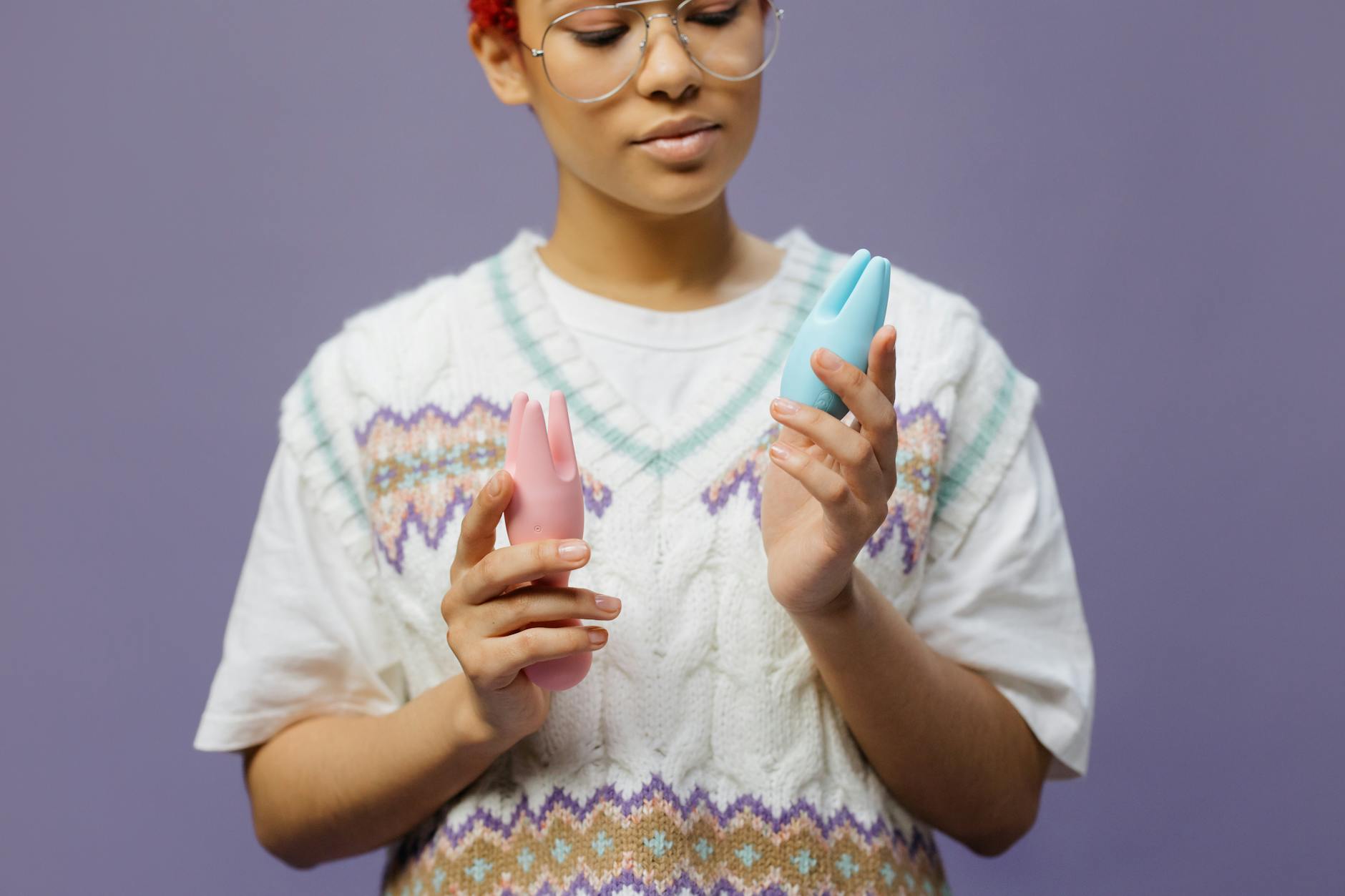
That's where lemon vibrators come in. Not as a magic fix, but as a circuit-breaker that lets your nervous system remember what arousal feels like.
Why arousal needs a reset
Desire works backward from what most people think. You don't think "I want sex" and then get turned on. You get a physical signal that feels good, and then your brain says "okay, maybe I want more of that." When physical sensation stops registering, desire stops following.
This happens for a bunch of reasons. Stress numbs sensation. Depression flattens it. Hormonal changes (medications, birth control, aging, thyroid shifts) make tissues less responsive. Relational friction makes your body protective. A history of bad sex teaches your nervous system to brace instead of open.
The pattern is always the same though. Touch stops feeling like much of anything. You stop initiating. Your partner stops trying because they're reading your body as disinterested. Six months later, you're not sure if you're broken or if the relationship is broken.
You're neither. Your arousal system just needs the volume turned up.
How lemon clitoral vibrators work differently for low desire
Most vibrators create a buzz that travels through tissue. Lemon vibrators use suction and gentle pulsing, which works on a completely different neurological pathway. Instead of trying to build vibration on already-numb tissue, suction creates a sensation that registers even when general sensation is dampened.
Here's the practical difference: a traditional vibrator might feel like nothing on low-desire tissue. A lemon clitoral vibrator often feels like something, even when nothing else does. The suction pattern mimics oral sex in a way that triggers arousal responses faster, because your nervous system recognizes it as a distinct, intentional signal.
For someone whose desire is in hibernation, that first clear sensation is the restart button. It's not about intensity. It's about signal clarity.
What the arousal recovery timeline actually looks like
If your desire has been dormant for months or years, you're not going to want partner sex tomorrow. That's fine. You don't have to.
The actual process is slower and more intentional. I recommend four phases.
Phase 1: Solo exploration (weeks 1-3). Use a lemon vibrator alone, no goal except noticing what feels different. Not orgasm. Just sensation. Five to ten minutes, maybe twice a week. Let your brain map out "oh, that's a feeling I recognize" before you layer partner dynamics on top.
Phase 2: Inconsistent response (weeks 3-6). Some days something clicks. Some days nothing happens. That's normal. You're rebuilding a neural pathway that's been dormant. Keep going. The key is no pressure. If today doesn't work, tomorrow might.
Phase 3: Recognizable arousal (weeks 6-10). You notice your body getting warm. Maybe not orgasm yet, but actual arousal. This is the phase where people often try to rush into partnered sex. Resist. Stay with solo first until this feels consistent.
Phase 4: Partner re-introduction (week 10+). Now you can talk to your partner about what you've discovered. Show them. Let them be present. Arousal is contagious. Once your body remembers the feeling, your partner's attention becomes a real turn-on again instead of pressure.
The whole timeline is individual. Some people move faster. Some people need longer in phase 1. The point is that low desire isn't a character flaw. It's a sensory system that needs recalibration.
The role of mental arousal in desire rebuilding
Physical sensation only gets you partway. Your brain has to believe desire is safe.
If low desire arrived alongside relationship conflict, your nervous system learned that sex isn't safe or wanted. If it showed up after trauma or a bad sexual experience, your body learned to protect itself. If it came with depression or anxiety, your brain lost the ability to imagine future pleasure at all.
Using a lemon vibrator helps with the sensation piece. But you have to handle the mental piece separately. That might mean therapy. It might mean a conversation with your partner about what's actually getting in the way. It might mean resting first and touching yourself later.
Here's what I tell people: the vibrator opens a door. But you have to be willing to walk through it. If you don't, it'll just sit in the drawer.
When to try lemon vibrators for low desire
Honestly? After you've ruled out the medical stuff. Low desire can signal thyroid problems, anemia, hormonal imbalances, medication side effects. Talk to a doctor first. If they clear you, the sensory reset is next.
If your low desire is tied to relationship issues (resentment, disconnection, feeling unseen), a lemon vibrator won't fix that alone. You need actual conversation or couples work first. The vibrator works best when the foundation is at least stable enough to explore.
If your low desire showed up after trauma, work with a trauma-informed therapist alongside using anything stimulating. Your nervous system needs safety rebuilt before pleasure can return.
How to actually use a lemon vibrator for arousal recovery
Start with solo. No partner, no performance pressure, no timeline.
Find time when you're not exhausted. Not tired. Not resentful. Maybe that's Friday morning, maybe that's a weekend afternoon. The point is you're not adding sex to an already-full nervous system.
Set fifteen minutes aside. Not for an orgasm. For sensation. Lie down. Get comfortable. No rushing. Use a water-based lubricant. Start at the lowest setting. A lemon vibrator's suction works best with patience. Let your body notice the feeling without judging whether it's "working."
Some days you'll feel something immediately. Some days it takes five minutes for sensation to register. Some days nothing happens, and that's okay. You're retraining your nervous system to recognize pleasure as possible.
Do this two to three times a week. Not every day. Consistency matters more than frequency. Your body needs time to integrate the signal and build new pathways.
After a few weeks, notice what happens. Maybe arousal starts creeping back. Maybe you start having little fantasies again. Maybe you get curious about your partner. Those are all signs the system is rebooting.
The conversation to have with your partner
If you're in a relationship, this part matters. Low desire affects both people. The fix involves both people too.
Don't tell your partner you're using a vibrator to "fix" yourself for them. That loads it with pressure and obligation. Instead, tell them you're doing sensory exploration because your own arousal system has been asleep, and you're curious about waking it up.
Then ask them to give you space. Don't wait for them to touch you while you're rebuilding. Don't jump into partnered sex the second you feel something. Let yourself rediscover solo pleasure first. Once that's solid, inviting your partner in feels like expansion instead of obligation.
If your partner responds with "why do you need that, why isn't me enough," you've got a bigger conversation. Low desire often shows up when partners aren't actually meeting each other's needs. The vibrator isn't the problem. The disconnection is.
FAQ: Low Desire and Lemon Vibrators
Can a lemon vibrator actually make low desire go away?
A lemon clitoral vibrator can help rebuild arousal sensation and trigger your nervous system to recognize pleasure again. But desire isn't purely physical. If low desire is rooted in depression, relationship conflict, or trauma, you need to address those too. The vibrator is one tool in a bigger toolkit.
How long does it take to feel something again?
It varies wildly. Some people notice a shift in two weeks. Others need six to eight weeks of consistent use before their body starts responding. The key is patience and zero pressure. You're retraining a nervous system, not flipping a switch.
Is using a lemon vibrator during arousal recovery weird or unhealthy?
Nope. It's actually the opposite. You're deliberately rebuilding a sensory pathway that's dormant. That's the opposite of unhealthy. It's intentional self-care. Sex therapists recommend this all the time, just not always in those exact words.
What if I'm on antidepressants or hormonal birth control that killed my libido?
You might need to talk to your doctor about switching medications. But while you're figuring that out, using a lemon vibrator can help you stay connected to your own pleasure. It's not fixing the root cause, but it's keeping sensation alive while you sort out the bigger issue.
Can I use a lemon vibrator if I'm dealing with depression or anxiety?
Absolutely. In fact, especially then. Depression makes pleasure feel impossible, which makes your body shut down sensation to match. A lemon vibrator's clear signal can help cut through that fog. But pair it with actual mental health support too, not instead of it.
Will using a lemon vibrator solo damage my ability to have partnered sex later?
No. It's actually the opposite. Rebuilding solo arousal usually makes partnered sex easier because your nervous system remembers what pleasure feels like. Your partner becomes exciting again instead of pressure.
The actual point
Low desire isn't a life sentence. It's a signal that something needs to change, and often that something is sensory. Your body has learned that touch isn't worth paying attention to. Teaching it otherwise takes patience, consistency, and the right tools.
A lemon vibrator won't fix a broken relationship or erase trauma. But it will help you remember that your body can still feel good. And that reminder is sometimes all that's needed to wake up the desire that's been sleeping underneath.
Ready to start exploring? Begin with solo, no timeline, and see what your body tells you. That conversation with yourself is where everything begins.
Questions about how to move forward? We're here. Reach out at /contact and let's talk through what you're experiencing.