Let's talk about touch that doesn't register
You're in bed with someone you care about. They're touching you. And you feel... almost nothing. Not pain, not rejection, just a flat kind of absence. Your brain knows they're there. Your body just isn't answering.
This happens more than you'd think. Stress, dissociation, depression, hormonal shifts, medication side effects, relationship friction, or just years of moving through life on autopilot can all create this strange gap between touch and sensation. You want to feel something. The touch is happening. But the signal from skin to pleasure center somehow gets lost.
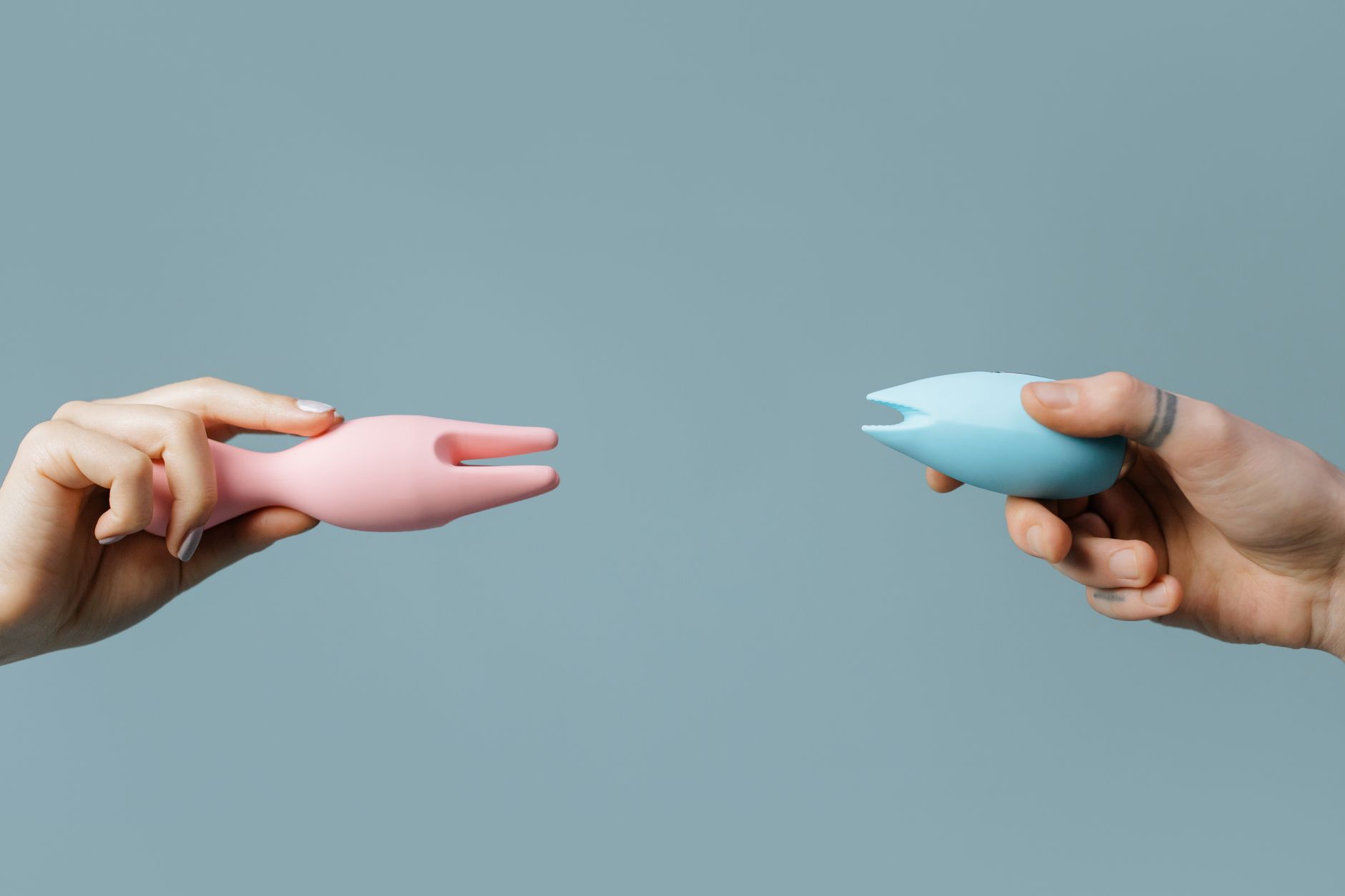
Here's what I've learned working with couples on this: lemon clitoral vibrators aren't a workaround. They're a reset button. They give your nervous system something unmistakable to respond to, and they can rebuild the bridge between physical touch and actual pleasure.
Why numbness happens (and why it's not permanent)
There are a few neurological and psychological reasons touch can feel distant. First, the survival response. When you're stressed or anxious, your nervous system prioritizes threat detection over pleasure. The same neural pathways that light up when you feel safe are dimmed when you're in protection mode. This is why people who've been through trauma, relationship conflict, or even just a terrible week sometimes find that everything feels muted.
Second, desensitization through routine. If sex has become predictable or obligatory, your brain literally stops paying attention. It's the same reason you stop noticing the hum of your refrigerator.
Third, there's a physiological component. Antidepressants, hormonal birth control, blood pressure medications, and even some allergy meds can blunt sensation. So can hormone fluctuations, thyroid issues, or blood sugar dysregulation. The touch is real. The pathways are intact. But the signal is quieter.
The good news: all of these are reversible. Sensation can come back. And that's where lemon vibrators enter the picture.
How vibration reconnects you to your body
Clitoral vibrators work differently than hands or fingers because they offer something hands can't: consistent, sustained stimulation at a frequency your nervous system can't ignore. When touch feels numb, your brain needs stronger input to register pleasure at all.
Think of it like this. If someone whispers in a quiet room, you hear them. If there's a jackhammer outside, you might not hear their whisper, but you'll definitely feel the rumble. Vibration is the rumble. It bypasses the dissociation and gets straight to the nervous system.
Lemon clitoral vibrators specifically use suction technology rather than pure vibration, which creates a gentler but more targeted stimulation. This matters because when you're numb, aggressive stimulation can feel invasive rather than pleasurable. The suction creates a sensation that's unmistakable without being overwhelming. It's easier for your body to "hear" it.
The reconnection protocol
If touch feels numb or distant, here's how I recommend using a lemon clitoral vibrator to rebuild sensation.
Start solo, not partnered. You need to relearn your own body first. With a partner present, there's often performance pressure or the unconscious pull to "make them happy." Solo time removes that. Give yourself 20-30 minutes without expectation.
Warm up first. Even though you're numb, don't jump straight to the vibrator. Spend 5-10 minutes touching yourself slowly without it. Breathe. Notice whatever you do feel, even if it's minimal. This tells your nervous system that pleasure is safe and intentional.
Start at the lowest setting. Most lemon vibrators have 3-5 intensity levels. Begin at pattern 1. Hold it there for 2-3 minutes before moving up. Your nervous system needs time to register that "safe" = "pleasurable." Rushing defeats the purpose.
Pay attention to micro-sensations. When numbness is present, you're hunting for any feeling at all. You might notice warmth, tingling, a subtle buildup, or just "less numb than before." That counts. That's reconnection happening.
Build frequency, not intensity. Rather than cranking up the power, use the vibrator more often. Try every 2-3 days for a week or two. Consistency rewires your nervous system faster than occasional intense sessions.
When sensation starts coming back
After a few sessions, something often shifts. Not always orgasm. Sometimes just a feeling that the sensation is registering more clearly. Your body is remembering: "Oh, this feels good." That moment is huge.
Once you feel something genuine happening, the next step is inviting your partner in, but differently than before. Show them what you're doing. Let them watch. Ask them to try the same touch pattern you used when sensation started returning. This tells them what works and removes the guessing game that can make intimacy feel awkward or performative.
Some couples find that using a lemon clitoral vibrator together changes their whole approach to touch. The numbness that made partnered sex feel like going through motions can dissolve when both people see that sensation is real and it's possible again.
The emotional piece (which matters as much as the physical one)
There's often shame attached to numbness. "I should be able to feel my partner's touch." "Something's wrong with me." "I'm broken." I hear this constantly, and I want to be clear: you're not broken. Your nervous system is protecting you the only way it knows how.
But here's the thing. Numbness in intimate moments is often a sign that something else needs attention. Resentment in the relationship. Untreated anxiety. Grief that's being carried silently. A deeper disconnection with your partner that sex can't fix, but also can't ignore.
So while lemon clitoral vibrators are genuinely helpful for rebuilding sensation, they work best alongside honest conversation. Tell your partner what's happening. Tell them when sensation starts returning. Ask them what they need from you emotionally. Sometimes the numbness lifts when both people acknowledge that something's off and decide to fix it together.
When to bring in professional support
If you've been using a vibrator regularly for 3-4 weeks and sensation isn't improving at all, talk to your doctor. Numbness during sex can sometimes signal thyroid dysfunction, hormonal imbalance, neurological issues, or medication side effects that need adjustment.
If the numbness feels connected to trauma, dissociation, or deep anxiety, working with a therapist before or alongside using a vibrator makes a huge difference. A therapist can help you understand why your nervous system went into protection mode and help you come back out of it.
If the numbness is specifically about your relationship, consider couples therapy. Sometimes the body knows something the mind hasn't admitted yet.
Numbness isn't permanent. Neither is the disconnection that caused it. Sensation can come back. So can pleasure.
People Also Ask
Why does my body feel numb when my partner touches me but not when I'm alone with a vibrator?
Perfectly normal. When you're alone, there's no performance pressure, no fear of judgment, no tension about whether your partner will feel hurt or rejected. Your nervous system relaxes. That relaxation creates space for sensation. With a partner, if there's unspoken tension or old resentment or even just "they're watching to see if I'm enjoying this," your body tenses up defensively. The numbness often isn't about the touch itself. It's about the safety and trust around it. Working on the emotional intimacy usually helps the physical sensation return faster than the vibrator alone.
Can I use a lemon vibrator with my partner if I'm feeling numb?
Absolutely, but context matters. If you're using it because neither of you knows what to do and you're hoping it fixes things without talking, it won't help long-term. If you're using it because you've talked honestly about what's happening and you're both trying to reconnect, it becomes a tool for reclaiming pleasure together. The vibrator isn't the fix. The honesty is. The vibrator just helps the body catch up.
Does numbness during sex mean I'm not attracted to my partner anymore?
Not necessarily. Attraction and sensation are different systems. You can be deeply attracted to someone and still feel numb because of stress, medication, depression, or disconnection in the relationship. That said, if the numbness is specific to partnered sex and you feel sensation fine alone, that's worth examining. Are you avoiding something? Is there tension that hasn't been addressed? Sometimes numbness is the body's way of protecting itself from intimacy that doesn't feel safe anymore.
How long does it usually take for sensation to come back?
It depends on what caused the numbness. If it's situational stress, you might feel a difference in 1-2 weeks of consistent use. If it's medication-related, it could take longer, or you might need to work with your doctor on dosage or alternatives. If it's relational or trauma-based, it might take weeks or months of therapy alongside the vibrator work. There's no universal timeline. Your body will tell you when it's ready.
Is it normal to feel pressure to orgasm when using a lemon vibrator to fix numbness?
Yes, and it's the worst thing you can do. The whole point is to rewire your nervous system around pleasure, not orgasm. Some sessions you'll climax. Some you won't. Both are fine. If you're putting pressure on yourself to orgasm as proof that "it's working," you're recreating the same performance pressure that caused the numbness in the first place. Release the goal. Notice the sensation instead.
What if sensation comes back but my partner and I still feel disconnected?
Then you know the numbness was a symptom, not the disease. The disease was the disconnection itself. A clitoral vibrator can rebuild your physical capacity for pleasure, but it can't rebuild emotional intimacy. That requires your partner showing up, being honest, and committing to reconnection. If they won't do that work, the numbness might come back, because your body will be protecting you again.
What comes next
Use sensation as your guide. When touch starts registering again, celebrate that. It doesn't mean everything's fixed. It means your nervous system is healing. It means you're rebuilding the bridge between your body and pleasure.
If you want to explore more about reconnecting with partners after disconnection, the guide on how to use lemon vibrators when you want better orgasms with a partner has concrete strategies for rebuilding that intimacy together.
And if the emotional side feels bigger than the physical side, remember that reconnecting after emotional numbness is a process. Lemon clitoral vibrators can help your body remember pleasure. You and your partner have to help your hearts remember closeness.