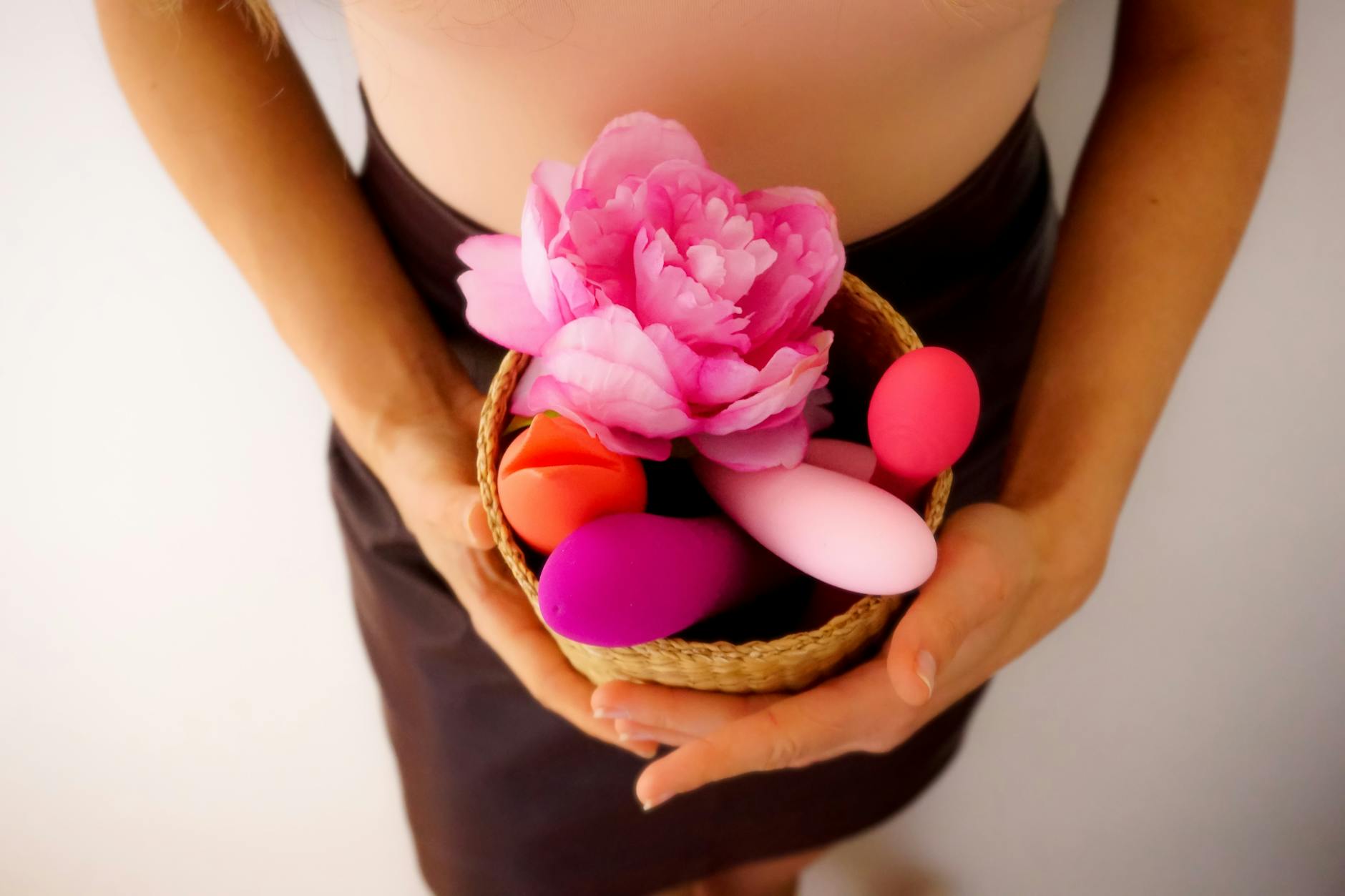
Let's be real about postpartum intimacy
Your OB probably didn't hand you a pamphlet about pleasure during the fourth trimester. You got instructions about bleeding, stitches, and when it's "safe" to have penetrative sex again. But safe and comfortable are not the same thing, and nobody talks about how to reclaim pleasure when your body feels like a borrowed thing.
Here's the thing: postpartum recovery is long, uncomfortable, and rarely linear. Swelling, tenderness, scar tissue, and nerve sensitivity can make traditional vibrators feel too intense or even painful. That's where lemon vibrators shine. They're gentler, more precise, and designed to work with healing tissue rather than against it.
What actually happens to your body after birth
Whether you delivered vaginally or via cesarean, your pelvic floor has been through something. If you tore or had an episiotomy, the recovery is even more complex. The tissue is swollen, hypersensitive, and rebuilding nerve pathways. Even without tearing, the stretched and compressed tissues need time to regain their baseline sensation.
This is why traditional vibrators often feel wrong. They deliver consistent, intense vibration across a broad area. When tissue is healing, that intensity can feel overwhelming, even painful. The goal during early recovery isn't maximum stimulation. It's gentle pleasure that respects where your body is right now.
Why lemon sucker devices work differently
Lemon clitoral vibrators, like Hello Nancy's Lem, use suction and gentle pulsing rather than direct vibration. This matters enormously during recovery because suction stimulates nerve endings without the same mechanical pressure that traditional vibrators create. The sensation is focused, controllable, and won't irritate fragile or healing tissue.
Here's what that means in practice: you can start at a lower setting and gradually increase intensity as your body heals. The gentler patterns work beautifully on hypersensitive tissue. And if something starts to feel uncomfortable, you can dial it down without having to stop entirely.
The Lem's design also means better control over where and how you're stimulating. You're not applying vibration to the entire vulva at once. You're creating localized suction that builds pleasure without overwhelming healing nerves.
Timeline: when pleasure becomes part of recovery
Most people get the green light for penetrative sex at six weeks postpartum. That doesn't mean your vulva is fully healed. Tissue continues to remodel for months, and full sensation can take much longer to return.
Starting gentle clitoral stimulation earlier, with lemon vibrators, can actually support recovery. Light arousal increases blood flow to the pelvic region, which promotes healing. And reclaiming pleasure, slowly and on your own terms, is psychologically important. You're not waiting passively for your body to feel normal again. You're actively reconnecting with sensation.
Most of my clients find that they can start experimenting with gentle lemon vibrators around four to six weeks postpartum, or whenever their healthcare provider clears them for any sexual activity. Start low, go slow, and stop immediately if anything feels sharp or wrong.
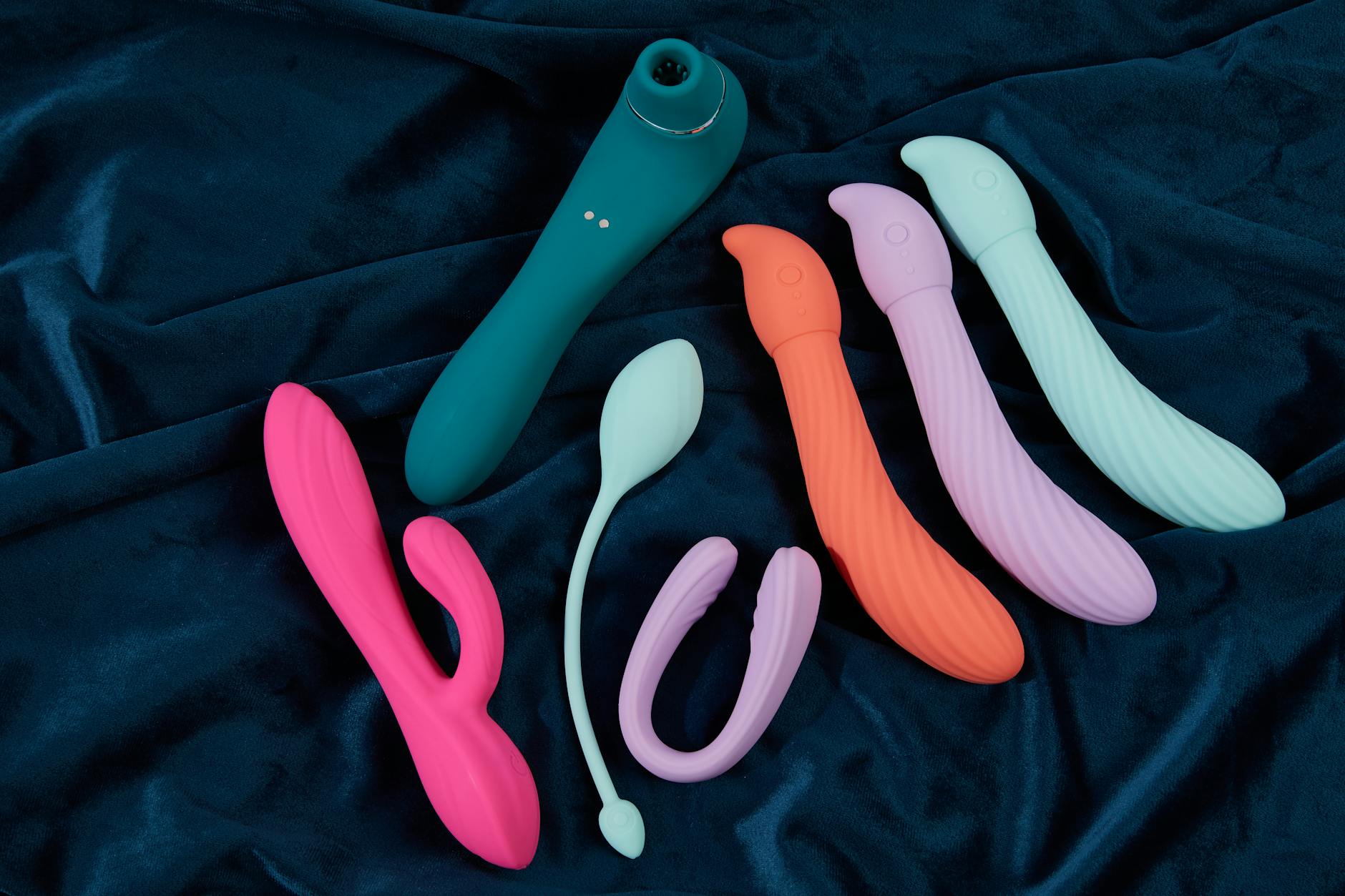
Photo by IFONNX Toys on Pexels
Scarring and sensation: what you need to know
If you tore during delivery or had an episiotomy, scar tissue changes how the area feels. Some people experience numbness. Others experience hypersensitivity or shooting pains. Both are normal, and both require a different approach to pleasure.
With numbness, you might need more stimulation to feel anything. Lemon vibrators allow you to increase intensity gradually without the harshness of traditional vibrators. With hypersensitivity, you want minimal pressure and maximum control. Again, the gentle suction of a lemon clitoral vibrator delivers exactly that.
Scar tissue can take six months to a year to fully mature. During that time, your nervous system is literally rewiring itself around the scar. This rewiring is individual, unpredictable, and worth patience. Some people regain full sensation. Others find that their sensitivity patterns have shifted permanently, and that's okay too.
A lemon vibrator gives you the flexibility to explore what feels good right now, without waiting for full healing to have permission to feel pleasure.
Partner dynamics during postpartum recovery
If you're in a partnership, this period can feel confusing. Your partner may be eager to reconnect physically. You're exhausted, touched out, and your body feels foreign. Neither of those things is wrong, and both deserve space.
Using a lemon vibrator solo, or with your partner, can be a bridge. It lets you explore pleasure on your terms and at your pace. If your partner is involved, they're not doing anything to you. You're in control of stimulation, timing, and intensity. That matters psychologically during recovery, when your body has been managed and examined by medical professionals for months.
If you want your partner involved, they can hold the device, offer comfort, or simply be present. This keeps intimacy in the picture without pressure or performance. And honestly, it's often hotter than jumping straight back into what you did before pregnancy.
When to talk to your doctor
Pain during sex or any sexual activity is not normal and worth raising with your OB. Not all postpartum pain is permanent, but persistent pain (dyspareunia) needs professional attention. Physical therapy, topical treatments, or scar massage can all help.
If you're experiencing shooting pains, numbness that doesn't improve, or pain that worsens with stimulation, get it checked. Don't assume your body is permanently changed. Many of these things are treatable.
Similarly, if you're experiencing postpartum depression or anxiety, pleasure might feel impossible right now. That's not a personal failing. It's a symptom worth addressing with your healthcare provider. Pleasure can come back once you're supported.
Building back gradually
Start with the lowest setting on your lemon vibrator. Spend time exploring sensation without the goal of orgasm. Does this feel good? Too much? Just right? Your nervous system needs time to remember how to feel pleasure. Rushing that process doesn't help.
If you notice swelling, increased bleeding, or pain after using a vibrator, pull back. Your body's signals matter more than any timeline. Recovery isn't linear, and that's normal.
As healing progresses, you'll notice sensation changing. What felt intense at six weeks might feel gentle at three months. That's your tissue healing and nerve sensitivity normalizing. Adjust your approach accordingly.
Many people find that once they're fully healed, they actually prefer lemon vibrators to what they used before pregnancy. The precision and gentleness feel better. You've learned what your body needs, and you're using tools that deliver exactly that.
The emotional permission piece
Here's what nobody tells you: there's often guilt or shame attached to wanting pleasure during early postpartum recovery. You're supposed to be focused on the baby. Your body is meant to be functional, not pleasurable. That's nonsense.
Your nervous system needs nourishment and safety. Pleasure is one form of that nourishment. Reclaiming sensation in your own body, on your own terms, is an act of radical self-care. It's not selfish. It's not inappropriate. It's necessary.
Using a lemon clitoral vibrator during recovery is a way of saying to yourself: my pleasure matters. My body's healing matters. And I get to enjoy myself while I'm rebuilding.
People also ask
How soon after childbirth can I use a vibrator?
Most healthcare providers give the okay for sexual activity around six weeks postpartum, but tissue is still healing well beyond that. If you want to start earlier, ask your OB. Some people begin gentle exploration around four weeks. The key is listening to your body and stopping if anything feels sharp, painful, or wrong. Light stimulation won't damage healing tissue, but aggressive vibration might irritate it.
Are lemon vibrators safe for tender or sensitive postpartum tissue?
Yes, absolutely. Lemon sucker vibrators use gentle suction and pulsing rather than direct vibration, which makes them much gentler on sensitive or healing tissue than traditional vibrators. You can also start at the lowest setting and increase intensity gradually as your body heals. This level of control is why many postpartum people prefer lemon vibrators.
What if I'm still bleeding at six weeks? Can I still use a vibrator?
Light spotting or bleeding at six weeks is normal, but heavy bleeding during sex or with stimulation isn't. If you're still bleeding heavily at six weeks, check with your OB before using any vibrator. Light spotting is usually fine, but if activity increases bleeding significantly, that's a signal to stop and wait.
Can using a lemon vibrator affect my stitches or scar tissue?
Not if you're using it gently and it's been cleared by your healthcare provider. Once you're past the acute healing phase (usually four to six weeks), gentle suction stimulation actually supports recovery by increasing blood flow. Avoid direct pressure on scar tissue or areas that feel sharp or painful. If any activity increases pain or bleeding, stop and follow up with your doctor.
Will pleasure come back if I had severe tearing or an episiotomy?
Most of the time, yes. Sensation can take months or even a year to fully normalize, and some people find that their sensitivity pattern shifts permanently. But most people do regain pleasure and orgasm capacity, sometimes better than before. If you're experiencing persistent pain or numbness beyond six months, physical therapy or pelvic floor work can help. This is worth discussing with a pelvic floor specialist.
What should I do if penetration still hurts at three months postpartum?
Pain at three months warrants a conversation with your OB or a pelvic floor physical therapist. It could be scar tissue that needs massage, reduced estrogen affecting lubrication, or pelvic floor tension. Many of these things are treatable. Don't assume it's permanent. And while you're working through that, lemon vibrators can offer pleasure without penetration, which keeps intimacy in the picture.
The bottom line
Postpartum recovery is slow and weird and nobody warns you adequately. Your body changes, your nervous system rewires itself, and pleasure feels like a distant memory. But it doesn't have to stay that way. Lemon vibrators are designed to work with sensitive, healing tissue rather than against it. They let you reclaim pleasure gradually, on your terms, at whatever pace your body actually needs.
Start slow. Listen to your body. And remember that reclaiming pleasure during recovery isn't selfish. It's part of healing. If you want more guidance on navigating this transition with a partner, reach out to Hello Nancy and we can help you figure out what comes next.