Your pelvic floor doesn't go back to normal. Here's what actually happens.
Let's be real. Nobody tells you this part. By the third trimester, your pelvic floor has stretched to accommodate a seven-pound baby (plus amniotic fluid, plus placenta). Those muscles get thinner. The nerve endings spread out. The connective tissue loosens. Labor, whether vaginal or cesarean, stresses this network further. And here's the part that gets skipped in most postpartum recovery guides: your pelvic floor doesn't actually return to its pre-pregnancy state. It becomes a different structure entirely. That difference is neither good nor bad. It's just real.
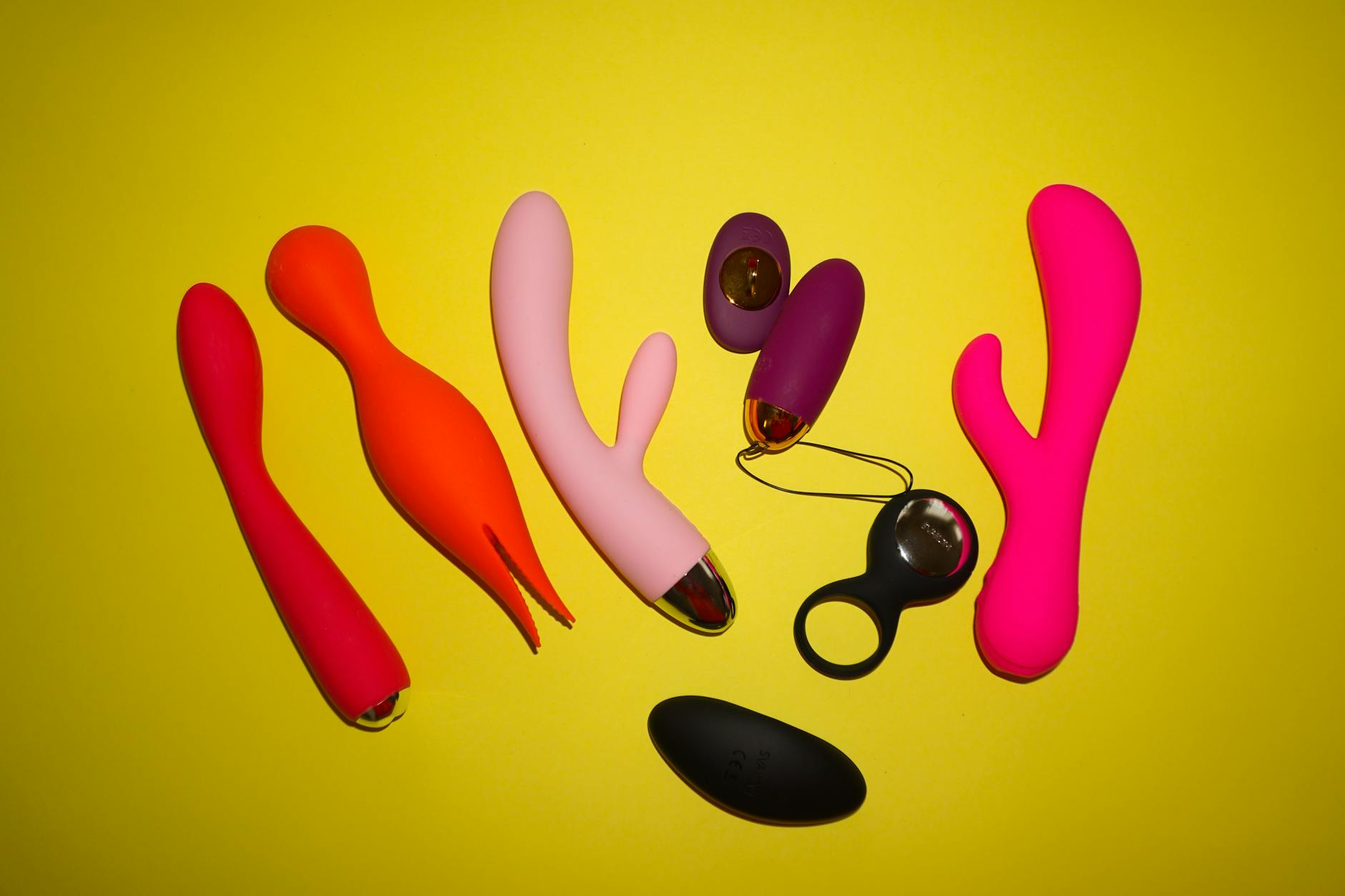
What matters is what happens next. You can rebuild strength. You can restore sensation. You can have pleasure that feels good in your new body. But traditional vibrators often miss the mark for postpartum people because they rely on direct friction against tissue that's still healing and recalibrating. Lemon vibrators, which use air-suction technology instead, work with your postpartum pelvic floor rather than against it.
I've worked with hundreds of couples navigating this transition. The most common outcome isn't loss of pleasure. It's confusion about how pleasure has changed, paired with shame about asking for help. This guide is the help.
What pregnancy actually does to pelvic floor nerves
Your pelvic floor is a web of muscles, fascia, and nerves running from your pubic bone to your tailbone. During pregnancy, that web stretches progressively. By month nine, some of those nerve endings have migrated or dampened their signaling. This is why many pregnant people report reduced sensation in the vulva or clitoral area, especially in the third trimester. It's not psychological. It's mechanical.
Labor intensifies this. Whether delivery happens vaginally or via cesarean, the pelvic floor endures trauma. Vaginal delivery stretches it aggressively. Cesarean delivery doesn't stretch it the same way, but the surgery itself triggers inflammation throughout the pelvic cavity, which affects nerve communication.
Postpartum, this nerve network doesn't "wake up" immediately. Some sensation returns within weeks. Full recalibration takes months, sometimes a year or longer. During this window, the clitoral tissue itself is also healing. It may feel tender, oversensitive, or oddly numb. The tissue is thinner than it was before pregnancy (estrogen drops postpartum, which thins clitoral skin). Direct vibration can feel jarring or unpleasant.
This is where lemon vibrators make a measurable difference. Air-suction technology doesn't rely on direct friction. Instead, it creates a gentle pulse of suction and release against the clitoral complex. This pulse stimulates the deep nerve networks without the mechanical irritation that traditional vibrators create on healing, thinner tissue.
Why air suction works better than traditional vibrators postpartum
A traditional vibrator—whether it's a bullet, wand, or rabbit—delivers stimulation through vibration. Your clitoris feels that vibration as a rapid back-and-forth movement against the tissue. For someone whose clitoral skin is intact and well-innervated, this works beautifully. For someone whose tissue is postpartum-thin and whose nerve density has spread thin, that same vibration can feel overwhelming or painful.
Air-suction vibrators like the Lem operate on a different principle entirely. They create rhythmic suction and release. Think of it as a gentle pulse rather than a buzz. This pulse reaches the clitoral nerve clusters that sit deeper in the tissue, below the surface. Because it's not based on direct friction, it's much easier to tolerate on sensitive or healing tissue. Many postpartum people find they can use air-suction vibrators at full intensity while traditional vibrators feel uncomfortable even at their lowest settings.
There's also a neurological element. The pelvic floor's sensory feedback system gets scrambled during pregnancy and labor. It takes time to recalibrate what feels good. Gentler, more focused stimulation (like suction) helps that recalibration process. Intense vibration can overwhelm the system and delay the process. You're essentially retraining your brain and your nervous system to recognize pleasure signals in a body that feels foreign.
The timeline for postpartum sensation recovery
Weeks 1-6: Most healthcare providers recommend avoiding penetration and significant sexual activity during this window. Your uterus is shrinking, your perineum is healing (whether you tore or not), and the internal lining of your uterus is shedding. This is not a good time for even gentle clitoral work.
Weeks 6-12: You've likely cleared the checkup with your doctor or midwife. Some sensation is returning to the clitoral area. External touch feels possible. If you want to explore, this is when air-suction vibrators become useful. They're gentler than your hand or a partner's hand in ways that matter for healing tissue. The consistent rhythm reduces the cognitive load of "is this too much?" that you have to manage with a partner.
Months 3-6: Sensation continues to develop. You might notice that the clitoris feels more responsive than it did at week eight. You might also notice that some stimulation still feels off or misaligned with what it used to feel like. That's normal. Your pelvic floor's architecture has literally changed. Your nervous system is learning a new map.
Months 6-12: Most people have recovered most of their sensation by now, though full recovery can take longer if you had significant trauma during labor. This is when you might experiment with intensity levels on the Lem or return to other vibrators if air suction doesn't feel like home anymore.
Beyond one year: Pelvic floor recovery doesn't stop at 12 months. Strength, sensation, and pleasure continue to evolve. Many people find their most intense orgasms arrive not at year one, but years later, as the pelvic floor finishes its long remodeling and confidence returns.
Rebuilding strength while restoring sensation
Kegel exercises (pelvic floor contractions) are part of the standard postpartum recovery toolkit. They help rebuild muscle tone. But here's what most guides don't mention: Kegels alone don't restore sensation. They rebuild strength. Sensation is a separate neurological process.
Here's where lemon vibrators add something Kegels can't. When you use a clitoral vibrator during pelvic floor exercises, you're pairing muscle activation with sensory input. This teaches your nervous system to associate the rebuilt muscle with pleasure. It's the difference between doing Kegels in isolation (which can feel robotic) and doing Kegels while experiencing pleasurable stimulation (which rewires the brain's pleasure pathways faster).
Try this: during your Kegel practice, turn on the Lem and do a series of contractions. Hold for three to five seconds, release, repeat ten times. You're activating the muscles while receiving sensory feedback. Your brain starts to recognize "pelvic floor strength is linked to pleasure" again. Over weeks, this pairing accelerates recovery more than either activity alone.
One caution: if you're at week six and still experiencing pain with any kind of touch, hold off. Pain is a signal that healing isn't ready. Wait until touch feels tolerable before introducing vibrators. The goal is never to push through pain.
Talking to your partner about the changes
Many postpartum people don't tell their partners that sensation has shifted. There's embarrassment, or fear of seeming less attracted, or worry that the relationship will suffer. The opposite usually happens. Partners who know what's real can actually help.
If you have a partner, tell them: my pelvic floor has changed. My sensation is coming back, but it doesn't feel identical to before. Here's what actually helps right now. A clitoral suction vibrator like the Lem lets me explore what feels good without you having to guess whether you're pressing too hard or missing the spot. We can rebuild this together, and honestly, it might feel better than before.
Most partners are relieved to have clarity instead of ambiguity. They're also often interested in being part of the pleasure recovery process. Some couples find that introducing a lemon vibrator becomes a reconnection point after months of being touched-out from baby care and sleep deprivation.
When to see a pelvic floor specialist
If after three months postpartum you're experiencing pain during any touch, that's a signal to consult a pelvic floor physical therapist. Sometimes scar tissue builds in ways that need manual therapy. Sometimes muscle tension patterns need to be unwound. A specialist can assess your individual pelvic floor and give you a recovery plan tailored to your anatomy and birth experience.
Similarly, if sensation hasn't started returning by six months, mention it to your doctor. Rarely, nerve damage from labor requires attention. More commonly, hormonal shifts from breastfeeding suppress sensation further (low estrogen is real postpartum). A conversation with your healthcare provider can rule out issues and sometimes lead to treatments that accelerate recovery.
The long view
Postpartum recovery from third trimester changes isn't linear, and it doesn't end at some magical six-month mark. Your pelvic floor will continue evolving for years. That evolution is an opportunity, not a loss. Many people find that their second or third year postpartum brings deeper pleasure than they experienced pre-pregnancy, precisely because they've had to rebuild their relationship with their body intentionally rather than taking it for granted.
Lemon vibrators, specifically air-suction technology, are a practical tool for this rebuilding phase. They work with your postpartum pelvic floor's actual physiology instead of ignoring it. You deserve pleasure that fits your body as it is right now, not as you wish it were.
FAQ: Pelvic Floor Recovery and Lemon Vibrators
Is it safe to use a clitoral vibrator while my pelvic floor is still healing?
It depends on your timeline and pain level. If you're before six weeks postpartum or experiencing pain with any touch, wait. After six weeks, if light external touch feels tolerable, gentle air-suction vibrators are generally safer than traditional vibrators because they don't rely on direct friction. Start on the lowest setting and stop if you feel sharp pain. Pressure or mild discomfort while your body recalibrates is different from pain. If you're unsure, check with your doctor or a pelvic floor physical therapist.
Will using a lemon vibrator speed up my sensation recovery?
Not directly, but it can optimize the process. Pairing sensory input with pelvic floor activation teaches your nervous system to recognize pleasure in your new body faster than either activity alone. It's not that the vibrator heals you. It's that using it strategically accelerates your brain's recalibration of what feels good. That recalibration is happening anyway. A vibrator just makes it intentional rather than passive.
Why does the Lem feel better than other vibrators after pregnancy?
The Lem uses air-suction technology instead of vibration. During the postpartum window when your clitoral tissue is thinner and your nerve endings are still reorganizing, suction stimulates deeper nerve clusters without the surface irritation that traditional vibration creates. It's gentler, more focused, and better suited to healing tissue. That said, everyone's recovery is different. Some people prefer traditional vibrators. If the Lem doesn't feel right, that's fine. The goal is finding what your postpartum body responds to, not forcing a tool that doesn't work.
Can I use a lemon vibrator if I'm breastfeeding?
Yes. Breastfeeding suppresses estrogen, which means clitoral tissue stays thin and sensation can be blunted. This is temporary and hormonal, not permanent. Using a vibrator while breastfeeding won't affect your milk or your baby. It's simply a way to maintain pleasure and sensation during a phase when your body is prioritizing milk production over other functions. Many postpartum people find that resuming pleasure practices helps them feel more like themselves, which benefits their overall wellbeing and their relationship.
How long does pelvic floor sensation recovery usually take?
Most people experience significant sensation recovery by month three or four postpartum. Full recovery—where everything feels exactly as it did before—can take six to twelve months, or sometimes longer depending on your birth experience and individual physiology. But here's the thing: full recovery doesn't mean returning to your pre-pregnancy baseline. It means building a new baseline that fits your new pelvic floor architecture. That new baseline is often more nuanced and responsive than what came before, once your nervous system finishes mapping it.
Is it normal to feel less pleasure postpartum, even after recovery?
Yes, and it's important to separate different causes. Hormonal shifts (especially if breastfeeding) reduce natural lubrication and decrease desire. Sleep deprivation hammers your libido. Being touched by a baby all day creates touch saturation. These factors resolve over time. If sensation feels reduced specifically in the clitoral area even after hormones normalize, that's usually just the new reality of your pelvic floor's architecture. It's not less pleasurable. It's different. A lemon vibrator can help you explore and deepen pleasure in this new configuration.