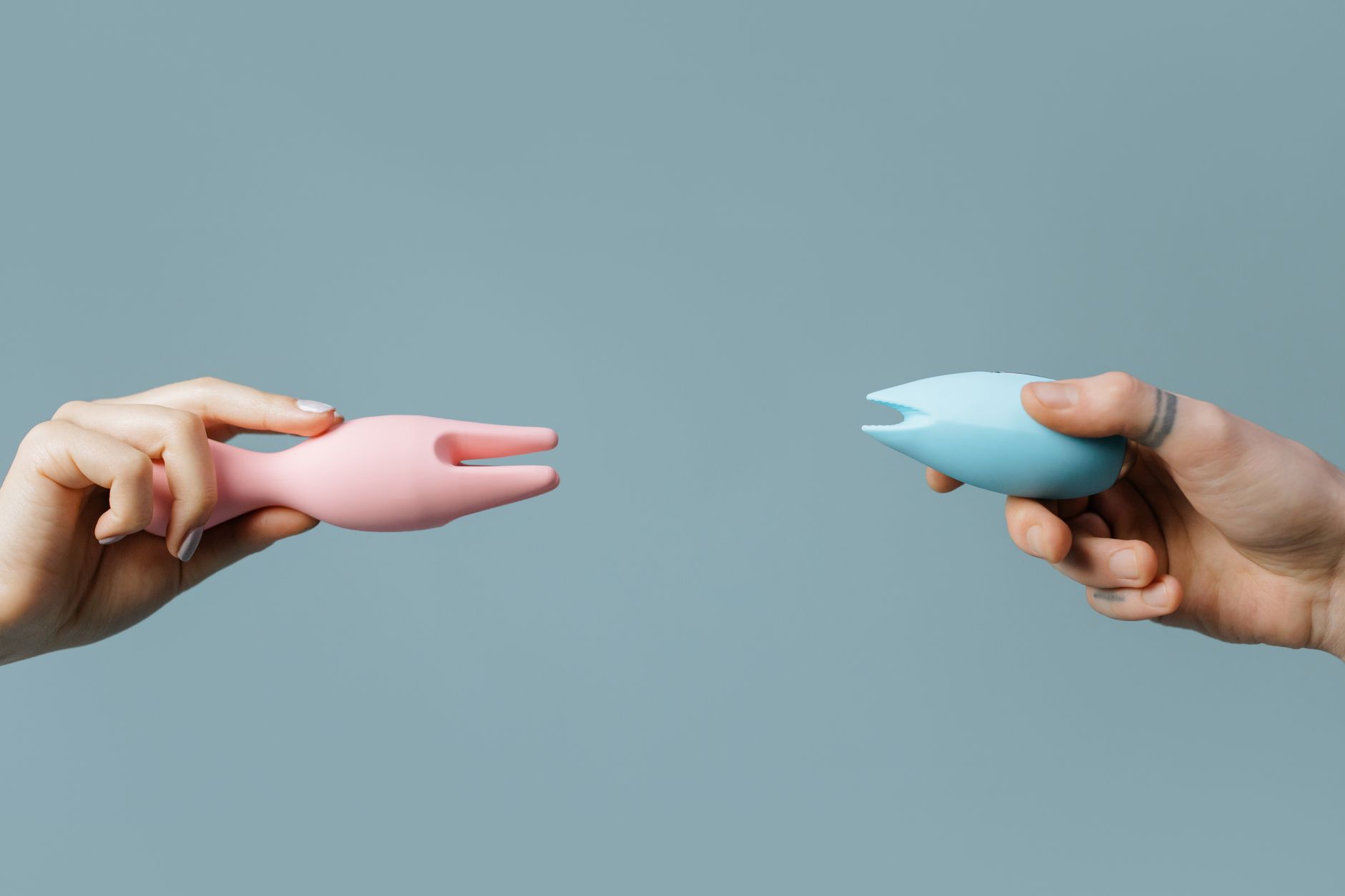
Let's talk about pressure, not intensity
Here's what I hear in sessions constantly: "I can only finish if my partner keeps the same pressure the whole time." Or: "Solo, I need to hold the vibrator in one spot without moving." Then the follow-up guilt: "Is that weird?"
It's not weird. It's actually how many bodies work. And it changes everything about how you should be using a vibrator.
Why consistent pressure matters more than you think
Your clitoris isn't one nerve. It's thousands. Some of them fire up fastest when they feel rhythm and movement. But many others respond better to sustained, unwavering contact. It's like the difference between tapping someone's shoulder and keeping your hand there.
When you need consistent pressure, you're typically looking for what researchers call "plateau stimulation." Your nervous system builds arousal in layers, and jumping around disrupts that buildup. Once you find the right spot at the right pressure level, staying there lets your body gather momentum.
This is especially true if you've spent years adapting to another person's pace. Your body learned what works with someone else's rhythm. Solo or with a new partner, you get to choose something different.
Why lemon vibrators are built for this exact pattern
Lemon clitoral vibrators work differently from wand vibrators or internal toys. They use suction and gentle pulsing that create sustained contact without the jackhammer effect. The patterns aren't designed to surprise you. They're designed to anchor you.
When I recommend lemon vibrators to people who need consistent pressure, I'm usually talking about the seal. The broader opening means you can position it and let it stay there. You're not chasing sensation. The vibrator stays put, and you breathe into it.
That changes the whole experience. Instead of hunting for the right angle, you settle in. Instead of building speed, you build depth.
Finding your pressure sweet spot
Start with the lowest pattern. On a lemon clitoral vibrator, that's usually pattern 1 or 2. Position the opening over your clitoris so you feel a gentle suction, not a strong pull. You want that seal to feel like pressure, not pressure plus motion.
Stay there. Don't move the toy. Don't switch patterns. Just breathe and notice what happens.
Most people expect to feel something happen right away. That's not how consistent pressure works. You're teaching your nervous system to recognize this specific sensation as a pathway to arousal. That takes five to ten minutes sometimes. Longer is fine.
When you start noticing that pull intensifying, when it begins to feel less like a neutral sensation and more like a building feeling, that's when you can gradually increase. Move up one pattern. Stay there for another few minutes. The speed comes later, not first.
Building your pattern repertoire
Once you know what pressure feels good, try the different patterns on your lemon vibrator while keeping the seal consistent. You'll probably find that some feel like they're building momentum and others feel like they're disrupting it. That information is gold.
Maybe pattern 1 feels like anchoring, and pattern 3 feels like acceleration. Maybe pattern 2 is your sweet spot and everything else is overkill. Write this down if it helps. Your body's preferences are as valid as your coffee order.
The reason I mention this is that a lot of people abandon vibrators because they think they're supposed to like the high-intensity patterns. You don't. Your clitoris needs what your clitoris needs. Lemon vibrators let you dial that in without performance pressure.
When to use sustained pressure solo versus with a partner
Solo, you have complete control. You set the pressure, you set the duration, you set when it changes. This is how you learn your actual preference, not your adaptive preference.
With a partner, sustainable pressure becomes a conversation. If you know you need this pattern, tell them. Not "I think I might need," but "I do best with consistent contact here." That's not a limitation. That's useful data.
Many partners actually prefer this. It means you're not asking them to read your body constantly. You're giving them a clear target. And when you climax from something this specific and consistent, the arousal that leads to it tends to be deeper, the orgasm often more satisfying.
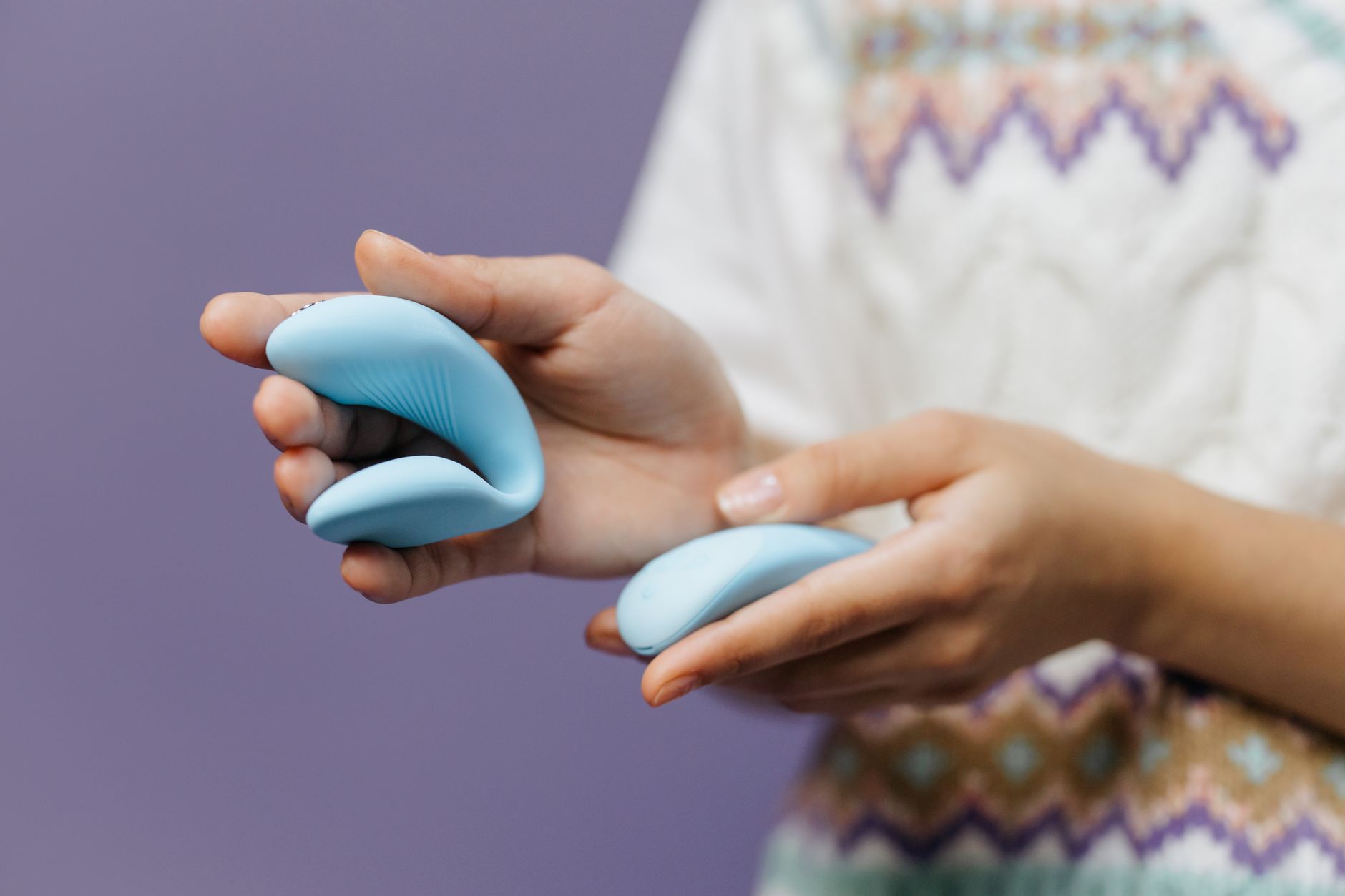
Photo by cottonbro studio on Pexels
The timing factor nobody talks about
Consistent pressure often takes longer to build to orgasm than variable intensity does. That's not a flaw. That's actually useful information because it means you probably climax from arousal depth, not surface stimulation.
Budget time differently. Instead of five-minute sessions, plan for fifteen or twenty. Instead of racing to the finish, settle in. Let your breath slow. Let your nervous system do its work.
If you're masturbating, this isn't a sprint. If you're with a partner, foreplay doesn't feel rushed because you're not chasing a deadline. You're building something that takes the space it needs.
Lubrication and comfort with sustained pressure
Consistent contact means more friction over time. Water-based lubricant becomes your friend here, especially if you're using a lemon clitoral vibrator for twenty minutes or longer.
You don't need a lot. A dime-sized amount before you start, and another light layer if things start to feel dry. This isn't about making it "slippery." It's about preserving comfort when contact is sustained.
If your clitoris is sensitive, lubrication also acts as a buffer. It lets you feel the pressure and suction without the intensity that comes from direct friction.
When your body needs breaks
Consistent pressure sometimes means your clitoris gets tired before you finish. That's normal. Your nervous system needs recovery time just like any other part of your body.
If you hit a plateau where nothing is building, pause. Take five minutes. Breathe. Drink water. Then come back. You're not failing. You're respecting your body's actual capacity, which changes day to day.
Some days you'll climax in ten minutes. Some days it'll take thirty. Both are your actual orgasm pattern. Neither one is the "real" you.
Why this matters for your relationship
If you're in a partnership, knowing that you need consistent pressure changes how you communicate about pleasure. It stops being about what's "normal" and starts being about what's real for your body.
Many couples I work with find that once they stop chasing variable intensity and anchor into consistent pressure instead, sex becomes less performative. You're not watching for signs. You're not checking the clock. You're present.
That presence is what actually deepens intimacy. Not the orgasm. Not the technique. The fact that you trusted your partner with this specific, unglamorous truth about your body.
The role of lemon vibrators in pleasure consistency
Lemon clitoral vibrators are purpose-built for this kind of work. The suction-based design means you can position it and keep it positioned. The pattern range lets you explore what consistent pressure actually feels like at different frequencies. And the broad opening gives you flexibility in how you angle the seal.
Many people switch to a lemon vibrator after trying wands or bullet vibrators and feeling frustrated. The frustration wasn't because they couldn't orgasm. It was because those toys don't match their actual need, which is steady contact and gradual buildup.
Questions about consistent pressure and orgasm
What if I can only orgasm with pressure in one specific spot?
Your body has learned a reliable pathway to pleasure. That's not a problem to solve. It's a foundation to build from. Once you're comfortable with consistent pressure at that spot, you can gently explore adjacent areas, but there's no rush. Some people climax from the same precise location their whole life. That's your pleasure signature, and it's perfectly valid.
Can I train my body to orgasm faster with consistent pressure?
You can train your body to recognize faster acceleration, but you can't fundamentally change the fact that consistent pressure takes time to build. Instead of fighting that, work with it. The deeper arousal that comes from sustained contact often leads to fuller orgasms anyway. Faster isn't always better.
Will my partner feel rejected if I need consistent pressure and they usually prefer variety?
Not if you frame it right. This isn't about what they're doing wrong. It's about what your body needs. Many partners actually find it freeing because they stop guessing. They know the assignment: hold this pressure here. That clarity often makes sex less effortful and more connected.
What if I need consistent pressure but also sometimes want faster stimulation?
You probably do. Most bodies have multiple pathways to pleasure depending on stress, cycle, mood, and relationship context. Consistent pressure might be your primary pathway, but that doesn't mean it's your only one. Explore both. Your lemon vibrator handles the sustained contact well. Sometimes you'll want that. Sometimes you won't.
Does using consistent pressure with a vibrator reduce sensitivity over time?
No. Using a vibrator at any intensity doesn't permanently reduce sensitivity. What sometimes happens is that your nervous system gets so used to one specific sensation that other sensations feel less obvious. That's why variety matters, even if variety isn't your primary pattern.
If I need consistent pressure, does that mean something is wrong with my clitoris?
Not at all. Your clitoris is just wired the way it's wired. Some people need rhythm. Some need intensity. Some, like you, need pressure to build pleasure steadily. That's neurological preference, not dysfunction. Your body works exactly as it's designed to work.
Final thought
Consistent pressure isn't a backup plan for people who can't climax "the right way." It's one of many valid ways your body builds arousal. Once you stop apologizing for it and start using tools like lemon vibrators that actually match your need, pleasure stops feeling like a project and starts feeling like relief. That matters. Your pleasure deserves that kind of alignment.
If you're still figuring out what your body actually needs, start here: stop chasing what you think you should want. Experiment with what your body actually responds to. A lemon clitoral vibrator, used with consistent pressure and patience, can help you learn the difference. That's the whole point.