Let's talk about what you're experiencing
Your clitoris used to respond to touch. Now it takes longer, or requires more direct pressure, or both. Maybe orgasm still happens, but it feels muted. Maybe it doesn't happen at all. And you're wondering if something is broken.
It's not. This is one of the most common experiences I see in my practice, and it's also one of the most fixable.
Why extra stimulation becomes necessary
Your body's capacity to feel pleasure isn't unlimited or constant. It changes based on what's happening in your nervous system, your hormones, your attention, and your environment. A few things that trigger the need for more intense or prolonged stimulation.
Desensitization from routine. If you've been using the same technique, pressure, or touch for years, your nervous system becomes less responsive to it. This is called habituation. Your brain literally stops registering the signal as novel or urgent. It's the same reason you stop noticing a background hum after a while.
Medication side effects. Antidepressants, birth control, blood pressure meds, and antihistamines all dampen arousal and sensation. If you started a new medication and suddenly your clitoris feels numb, that's not coincidence. Some medications lower dopamine or serotonin in ways that directly flatten pleasure signals. This is treatable and temporary, but it requires patience.
Hormonal fluctuations. Estrogen, testosterone, and progesterone all shape how sensitive your clitoris is. When hormones shift (before your period, after ovulation, or as you age), sensation changes. How to Use Lemon Vibrators When Orgasm Feels Different After Hormonal Shifts covers this in depth, but the short version is: your body isn't failing you, it's just recalibrating.
Stress and dissociation. When you're in survival mode, your nervous system deprioritizes pleasure. Chronic stress, anxiety, or unprocessed trauma literally dampens the nerve pathways that register sensation. Your clitoris is still there. Your capacity for feeling is still there. But your brain is focused on threat, not pleasure.
Physical changes from age. As estrogen declines (whether from age, hormonal shifts, or surgery), clitoral tissue becomes less engorged during arousal, which changes how sensation feels. You're not less capable of pleasure. You're just working with different hardware.
Why lemon vibrators solve this differently
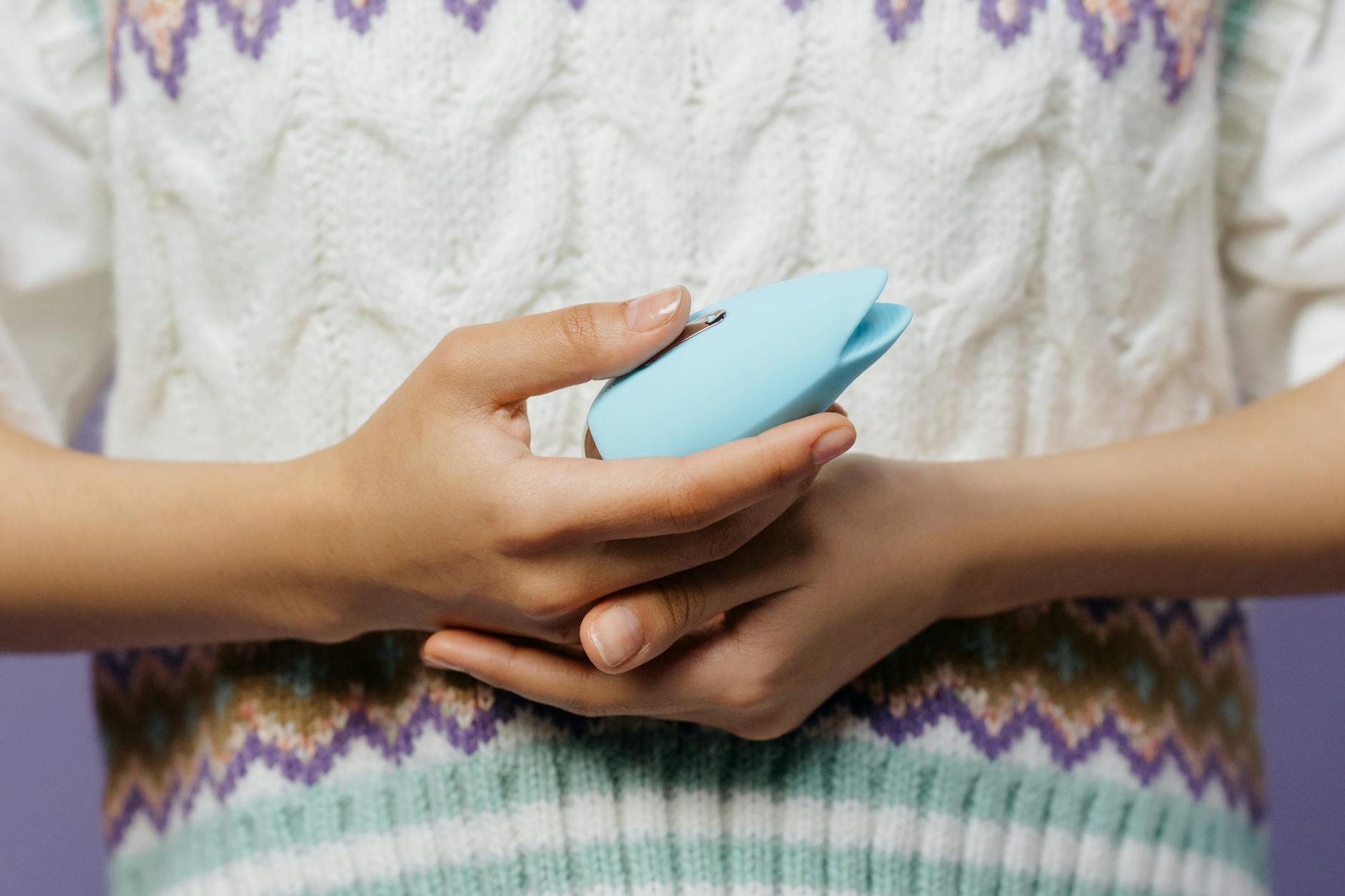
A Lemon clitoral vibrator works because of how it stimulates. Traditional vibrators oscillate. That's useful, but if your clitoris needs more intensity or a different kind of sensation to wake up, oscillation alone might not cut it.
Lemon's air-suction technology does something different. It doesn't just vibrate the surface. It gently expands and contracts around the clitoral head, creating a kind of rhythmic pressure that feels less like buzzing and more like a sequence of subtle suction pulses. For bodies that have become numb to routine vibration, this novelty alone can reignite sensation.
The second reason lemon vibrators help: precision. The clitoral head is about the size of a pea, but it's packed with 8,000 nerve endings. If you're trying to find sensation, you need to target exactly that spot. A suction device does this naturally. You can't really miss.
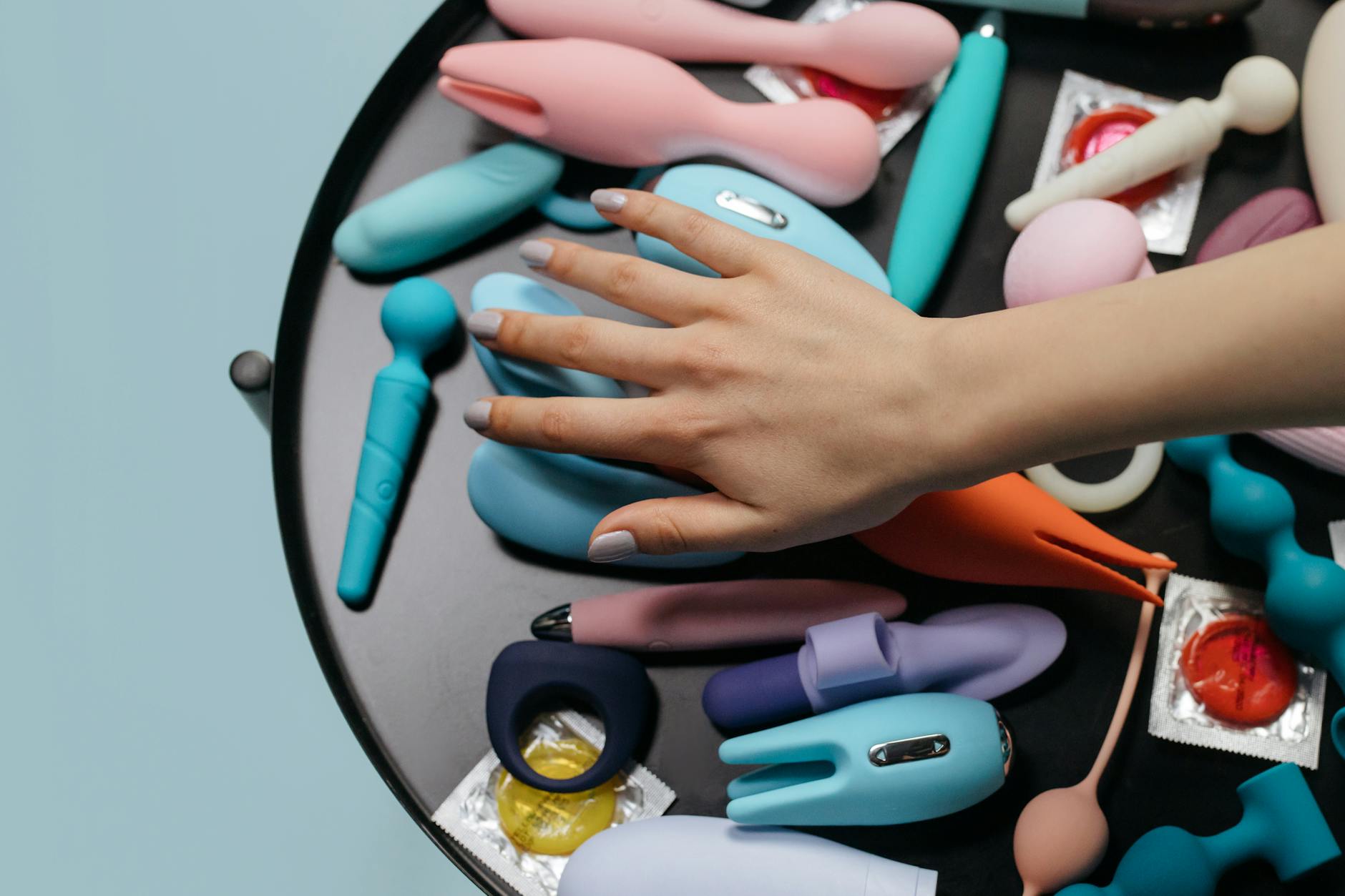
Photo by cottonbro studio on Pexels
The practical setup that works
Here's what I recommend to clients who've lost sensation or need extra stimulation to reach orgasm.
Start with pattern 1 or 2. The Lem has multiple intensity levels. Most people with numbness make the mistake of jumping to level 5 or 6 thinking they need maximum intensity. You don't. You need novelty first, then intensity. Start low. Let your nervous system notice the new sensation before you crank it.
Spend 20 to 30 minutes on exploration, not goal-chasing. If you're used to orgasm taking 5 minutes, suddenly needing 30 is frustrating. But that's not a problem to solve quickly. That's information telling you something has shifted. Give yourself permission for this to take longer. Set a timer if you need to. Paradoxically, when you stop pushing for orgasm and just explore what feels good, sensation returns faster.
Use lube even if you think you don't need it. Even if your natural lubrication is fine, a water-based lube reduces friction and lets the suction feel smoother. It's not about wetness. It's about reducing any micro-friction that pulls your attention away from pleasure and toward discomfort.
Position matters more than you think. Sitting down or lying on your back with knees slightly bent gives you the most direct access to your clitoris and the most control. If you're tense or twisted, you're literally cutting off some of the sensation pathways. Comfort and access come first.
Build a ritual, not a habit. There's a difference. A habit is mindless repetition. A ritual is intentional practice with attention. Light a candle. Put your phone in another room. Tell your partner you need 30 minutes. Change your environment slightly each time so your nervous system stays engaged. This is how you rewire the numbness.
When to seek help beyond the toy
A lemon clitoral vibrator is a powerful tool, but it's not a solution if something else is going on.
If you've tried increased stimulation for 4 to 6 weeks and sensation still isn't returning, talk to a healthcare provider. Medication side effects sometimes require a dose adjustment or a switch. Hormonal imbalances are testable and treatable. If you're in an anxious or traumatized nervous system state, a therapist trained in somatic work or EMDR can help you resource your body for pleasure again.
If orgasm was fine until a specific life event (relationship breach, loss, medical trauma, sexual trauma), that's not a sensation problem. That's a nervous system protection. The lemon vibrator can help you gradually relearn safety in your body, but you'll likely also need to work with a trauma-informed therapist.
The patience piece, honestly
Returning sensation to a numb clitoris takes time. You didn't lose it overnight, and you won't get it back overnight. But here's what I've seen happen again and again in my practice: when you stop fighting your body's current needs and instead work with them, sensation doesn't just return. It often becomes richer than it was before.
You learn your body differently. You learn what actually turns you on now, not what used to work. You discover that pleasure can be quieter and still be real. And honestly, that's a skill worth having.
People also ask
Why does my clitoris feel numb during sex but sensation works fine with a vibrator?
Your brain is different during partnered sex than solo play. You might be managing your partner's pleasure, worrying about noise, or holding tension in your pelvic floor. A lemon vibrator gives you solo time to map your own sensation without those distractions. When you return to partnered sex, you'll have a clearer map of what your clitoris actually needs.
Can I use a lemon vibrator every day if my clitoris is numb?
Yes, though I'd suggest varying your approach. One day use the Lem. Another day try manual stimulation with lube. Another day try a different pattern or intensity. Variety keeps your nervous system engaged and prevents the habituation that numbed you in the first place. Think of it as cross-training, not punishment.
What if a lemon vibrator feels too intense on my numb clitoris?
That might mean your nervous system is hypervigilant or protective rather than truly numb. Try the lowest setting and hold the Lem slightly away from your clitoris so it's diffused sensation rather than direct. You can also use it over your underwear to soften the intensity. Sensation needs safety first.
Does needing more stimulation to orgasm mean my clitoris is permanently changed?
Not permanently. If the cause is medication, hormones, or desensitization, it's reversible. Your clitoris has neuroplasticity. It can rewire. It takes intention and often takes time, but yes, your body can return to previous levels of responsiveness. The key is addressing the root cause, not just chasing intensity.
Can a partner help me restore sensation, or is solo play with a lemon vibrator better?
Both matter. Solo play with a Lem vibrator teaches you what your clitoris needs in a low-pressure environment. Then, you can communicate that information to a partner. "I discovered my clitoris responds better to suction than vibration" is much clearer than "I'm broken." Partner involvement comes after you've done the mapping work yourself.
How long before I feel sensation returning?
If it's medication-related, 4 to 8 weeks after adjustment. If it's habituation, 3 to 6 weeks of varied stimulation. If it's hormonal, it depends on your cycle or whether you're starting HRT. If it's nervous system stuff, it can take longer. The timeline matters less than consistency. A little bit of intentional exploration beats sporadic intense sessions.
The bottom line
Extra stimulation isn't a sign of failure. It's information. Your body is telling you something has shifted, and it needs something different now. A lemon clitoral vibrator is designed to meet that need with precision, novelty, and control. But the real work is permission: permission to explore at your own pace, permission to take longer, permission to let your pleasure change and still be valid.
If you want to talk through what's happening in your specific situation, reach out. I'm here to help you figure out what your body is telling you and what comes next.