Here's what nobody tells you about perimenopause and pleasure
Perimenopause doesn't mean your sexual life is ending. It means your body is rewiring. Hormones swing wildly. Sensation changes. Arousal timing shifts. And most frustrating of all, nobody prepared you for it because we don't talk about it clearly.
I've worked with hundreds of people navigating this transition, and the pattern is always the same. Someone comes in thinking they've lost their ability to feel pleasure. What's actually happened is their body has changed, and they're using the same tools and timing that worked before. That's not a failure on your part. That's a mismatch worth fixing.
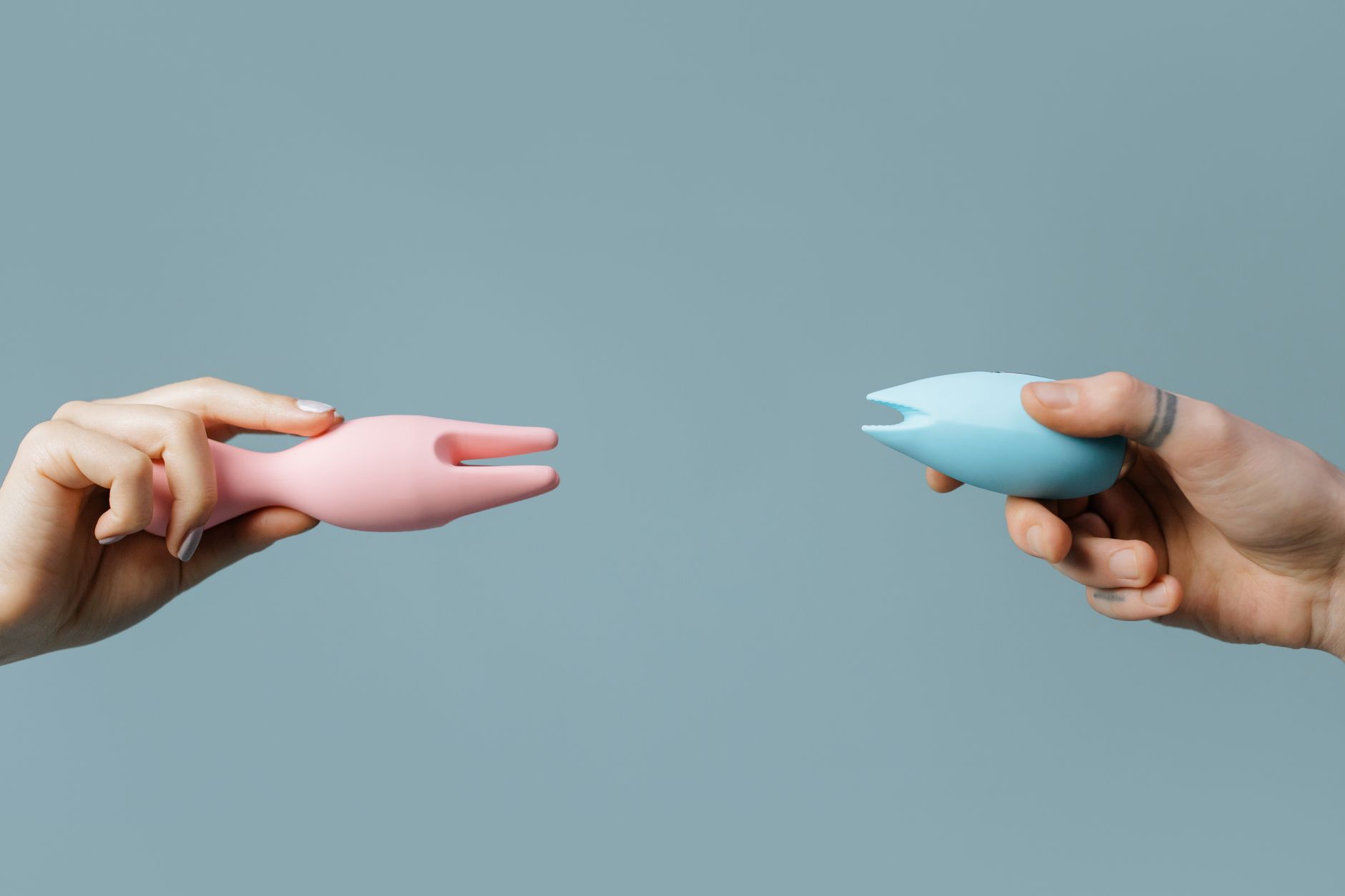
Lemon Nancy clitoral vibrators, especially the suction-based design of the Lem, work differently than traditional vibration. That difference matters during perimenopause.
What perimenopause actually does to sensation
Let's start with the hormonal reality. Estrogen doesn't drop smoothly during perimenopause. It spikes and crashes unpredictably, sometimes across a few weeks, sometimes across a few years. Progesterone does the same. This isn't your imagination noticing a difference in arousal. Your neurochemistry is literally fluctuating.
Here's what changes physically. Vaginal tissue becomes thinner and less elastic because lower estrogen means less collagen. Blood flow to the genitals becomes less consistent. The clitoris can feel less responsive because the erectile tissue filling it depends on stable hormones. Your nervous system becomes more sensitive to touch in some moments and less sensitive in others.
What doesn't change. The clitoral nerve endings themselves. Your brain's capacity for pleasure. Your ability to orgasm. The architecture of arousal.
The mismatch happens here. Most vibrators rely on consistent, direct vibration against sensitive tissue. When tissue is thinner or more reactive during perimenopause, that direct vibration can feel too intense some days and unsatisfying other days. You end up chasing the right sensation instead of finding it.
Why suction-based lemon vibrators work better during hormonal shifts
Suction stimulates differently than vibration. It's gentler on fragile tissue. It doesn't require the same kind of friction. And it adapts better to days when your clitoris feels retracted or tender.
Think of it this way. A traditional vibrator tries to stimulate the external clitoris directly. A suction vibrator like the Lem creates a gentle pressure wave that pulls the sensitive tissue outward, then releases. That action engages the whole erectile complex of the clitoris, not just the surface.
During perimenopause, this matters. On high-estrogen days, your clitoris is more engorged and responsive. Direct vibration feels great. But on low-estrogen days, when tissue is thinner and the clitoris is less filled with blood, suction is kinder. It creates sensation without requiring the same level of tissue engorgement.
You're also not locked into one sensation. With the Lem, you can move between patterns. Some feel more like steady suction, others like pulsing waves. You can find the pattern that matches where your body is that day.
How to adjust your routine for a changing body
First. Longer warm-up time is not a bug, it's real biology. Perimenopause slows arousal. Budget 20-30 minutes instead of 10-15. Your nervous system needs more time to transition into arousal, and that's okay.
Second. Lubrication becomes necessary, not optional. Even if you never needed it before. Water-based lube is best with silicone toys. It's not a sign your body is failing. It's a practical addition that changes everything.
Third. Start at lower suction patterns. The Lem starts at pattern 1-2, which feels gentle. On most days, this is where you want to begin. You can build up to higher patterns once arousal is building. Forcing intensity too early frustrates both your nervous system and your expectations.
Fourth. Pay attention to your cycle, if you still have one. On pre-ovulation days, when estrogen peaks, you might want more intensity. On post-ovulation days, when estrogen crashes, gentler suction feels better. Tracking this isn't obsessive. It's just information.
What to do when sensation feels inconsistent
Some days you feel everything. Other days, the same sensation doesn't register. This is perimenopause, not numbness.
When sensation feels dull, resist the urge to jump straight to higher intensity. Instead, try changing the pattern. Different suction rhythms engage different nerve clusters. What felt boring at pattern 3 might feel alive at pattern 5 or pattern 7. The Lem has multiple patterns because your body needs them.
If inconsistency is really frustrating, consider whether other factors are at play. Stress tanks arousal. Sleep deprivation kills sensation. Relationship tension makes pleasure harder to access. These things overlap with hormonal shifts during perimenopause. Sometimes the solution isn't a different vibrator. It's addressing what's stealing your bandwidth.
When to see someone about perimenopause and pleasure
If pain shows up, don't push through it. Genitourinary syndrome during perimenopause is real and treatable. A gynecologist trained in menopause care can help with topical estrogen or other interventions.
If arousal has completely vanished and it's not coming back with better tools or longer warm-up time, talk to your doctor. Sometimes low libido during perimenopause points to thyroid issues or depression, both of which are common and both of which respond to treatment.
If you and a partner are struggling with timing, a relationship counselor who understands midlife transitions can help bridge that gap. Perimenopause isn't a personal failure. It's a life stage that deserves support.
The honest part about pleasure after 40
Here's what I see consistently. People who adjust to their changing body during perimenopause often discover deeper pleasure than they had before. Not because the body is suddenly better, but because they stop fighting what's happening and start working with it.
The Lem is designed to adapt. Different suction patterns. Adjustable intensity. Responsive to where your body actually is, not where you remember it being. That flexibility matters during perimenopause because your body is asking for different things every few weeks.
Your pleasure doesn't end during perimenopause. It evolves. And that evolution, when you have the right tools and information, often feels like a second act you didn't expect.
People also ask
Does perimenopause change orgasm intensity?
Yes, and it varies wildly. Some people experience more intense orgasms during perimenopause because the hormonal unpredictability creates more mental stimulation and novelty. Others experience flatter orgasms because inconsistent blood flow to the clitoris changes the physical sensation. Most people experience both, depending on the day. This is why having tools like the Lem that adapt to different levels of responsiveness matters. You're not trying to force the same response every time. You're finding what works with where your body is.
Can lemon clitoral vibrators help with perimenopause brain fog during sex?
Not directly. But the design matters. Lemon Nancy vibrators are relatively intuitive, which means you spend less mental energy figuring out how to use them and more presence during actual pleasure. Less cognitive load means more of your brain is available for arousal and connection. If brain fog during perimenopause is stealing your ability to focus during sex, having a tool that doesn't require lots of thinking is genuinely helpful.
How often should I use a lemon vibrator during perimenopause?
As often as you want. There's no "right" frequency. Some people use clitoral vibrators daily. Others use them twice a week. Some people take breaks. Your body during perimenopause might crave more frequent pleasure one month and less the next. That's not a sign something is wrong. It's perimenopause hormones. The frequency that feels good to you is the right frequency.
Does lube affect lemon vibrator sensation?
It changes it. Water-based lube makes the suction feel smoother and reduces any friction against tissue. Some people love this. Others feel like lube creates too much glide and they miss the direct sensation. You might need to experiment. The Lem works with or without lube, so you can test both ways and see what your body prefers on any given day.
Why does my clitoris feel less responsive during perimenopause?
Lower and more inconsistent estrogen means less blood flow to the clitoris and thinner tissue. The erectile structures in the clitoris depend on estrogen to fill with blood. When estrogen drops or swings, the clitoris literally retracts slightly and feels less responsive. This is temporary. It's not permanent nerve damage. Suction vibrators work better during these phases because they don't require the same level of erectile tissue to feel sensation. Instead of waiting for the clitoris to engorge, suction creates the sensation directly.
Is it normal to need longer foreplay during perimenopause?
Completely normal. Arousal depends on steady estrogen. During perimenopause, when estrogen is choppy, your nervous system needs more time and more consistency to shift into an aroused state. This isn't a personal issue. It's biology. Building in 20-30 minutes of warm-up, whether alone or with a partner, isn't a compromise. It's the actual timeline your body needs. Using lemon vibrators during this warm-up time can help bridge that gap by providing consistent sensation that doesn't require your hormones to cooperate first.
You deserve pleasure that matches your body right now
Perimenopause is a real thing. Your body is changing. Your sensation is shifting. Your arousal timeline is longer. And none of that means pleasure is over.
What it means is you need tools and information that fit where you actually are, not where you used to be. The Lem and other lemon clitoral vibrators from Lemon Nancy are designed to adapt. Different patterns. Different intensities. Suction instead of vibration, which works differently with your changing tissue.
Your pleasure matters during this transition. And it's absolutely worth protecting and exploring, even when your body is asking for something different than it did at 30. If you're struggling to find your way through perimenopause, the team at /contact is here to help.