Let's name what's actually happening
You want to touch yourself. Your body is asking for it. And then something tightens in your chest, and you don't. That something isn't a moral failing. It's a script you inherited.
Guilt around masturbation is not personal weakness. It's a cultural residue that most of us absorbed before we had language to question it. Religious upbringing, parental discomfort, gendered messages about "good girls" and desire, the basic fact that your earliest sex education happened in locker rooms instead of bedrooms. That stuff settles into your nervous system and shows up as a physical block.
Here's what I see clinically: guilt doesn't just feel bad. It literally prevents orgasm. It narrows your attention, tightens your pelvic floor, and kills arousal. Your body can't relax into pleasure if part of your brain is standing guard.
Why the guilt shows up specifically around solo play
Guilt about masturbation is different from other sexual guilt. It's more isolating because there's no one there to reassure you that you're wanted, that this is normal, that it's okay.
With a partner, sex has a relational frame. Someone else is choosing you. That external validation can quiet the internal critic. Alone, your brain has to do both jobs: want yourself AND believe you deserve it. Most of us were never taught that second part.
Women especially inherit a specific flavor of this: the idea that your sexuality exists for others. Your pleasure is something you give, not something you take. Masturbation is explicitly about you. It has no audience, no performance obligation, no one to convince. That's exactly why guilt shows up hardest here.
What guilt actually does to your nervous system
Think of arousal as a volume dial that requires both hands. One hand turns up sensation. The other hand is watching the door, checking your phone, listening for footsteps, monitoring whether you "should" be doing this.
When guilt is present, that second hand is busy. Your nervous system stays partially in fight-or-flight mode. Blood doesn't flow fully to your genitals. Your clitoris stays less engorged. Arousal takes longer. Orgasm becomes harder to reach.
I've worked with clients who could reach orgasm with a partner but not alone, and the difference wasn't physical. It was the mental permission. The moment they started touching themselves with the internal stance of "this is allowed, this is mine," the mechanics changed.
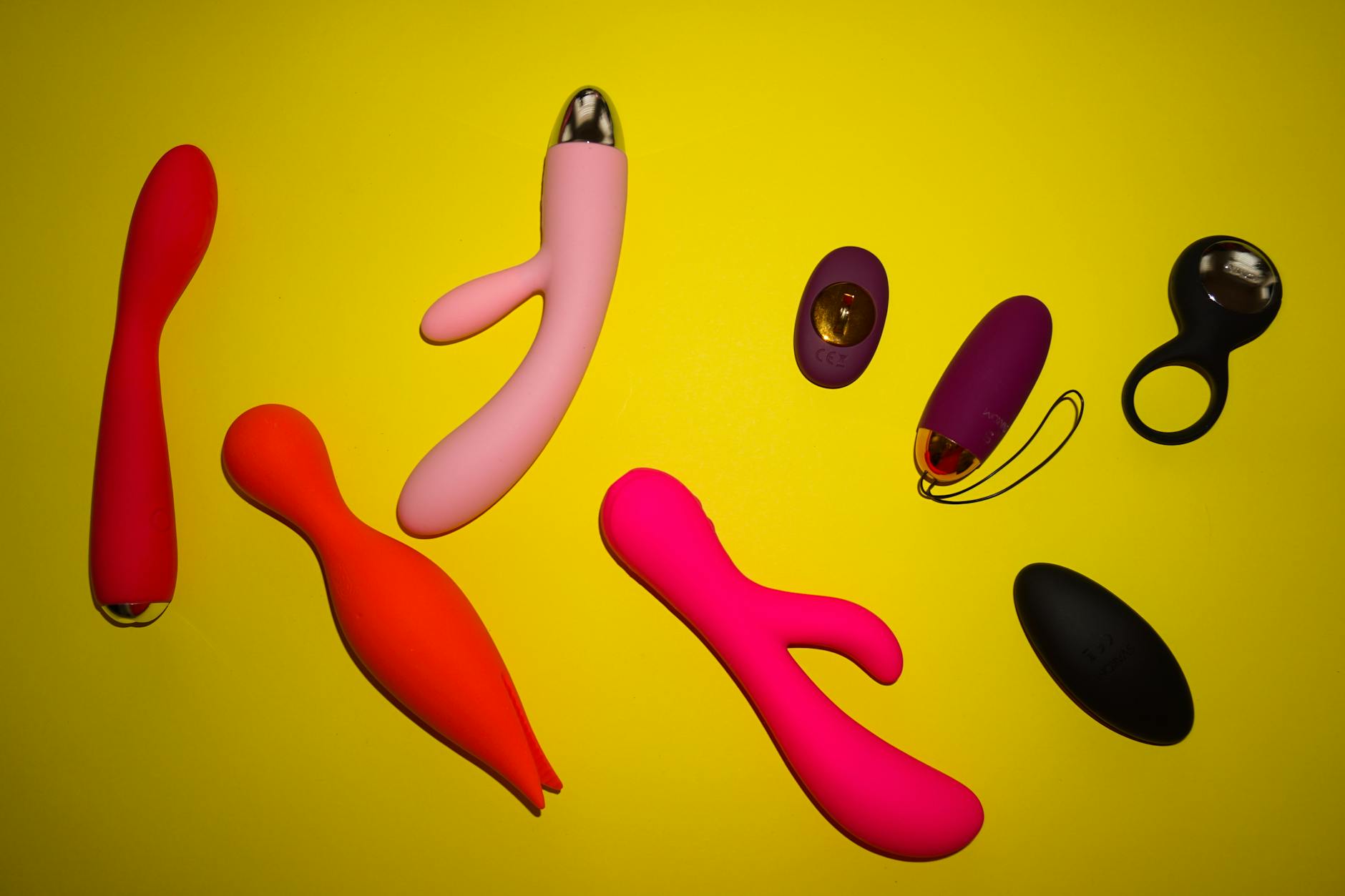
Guilt is also why people use lemon clitoral vibrators differently when shame is in the mix. They use them tentatively. They don't stay with sensations. They rush through. A lemon vibrator works best when you're actually present for it.
Breaking the script takes actual practice
Here's what doesn't work: trying to think your way out of guilt. You can't logic yourself into feeling entitled to pleasure. Shame lives in the body, and the body needs permission, not arguments.
What does work is titration. You build tolerance for solo pleasure the same way you'd build tolerance for anything else: gradually, with attention, without judgment.
Start small. Not with full masturbation sessions. Start with 30 seconds of touching yourself, no agenda beyond sensation. Notice what tightens in your body. Notice what story your brain tells you. Don't fight it. Just observe. Then stop.
The next time, go for 45 seconds. Then a minute. Then add a lemon vibrator. Feel how it changes the texture of sensation. Suction devices like the Lem work particularly well here because they shift focus away from "am I doing this right" and toward pure sensation. The tool does the work. Your job is just to stay present.
The Lem changes the guilt equation
One reason lemon vibrators specifically help with guilt-laden solo play is that they create a clear separation between you and the sensation. A vibrator is something you're using. It's external. That small psychological distance can be enough to quiet the internal monitor.
Also, suction feels different from manual touch or regular vibration. It's novel. Your brain gets more engaged in the newness and less stuck in the shame narrative. After a few sessions, what felt transgressive starts to feel neutral. Then pleasurable. Then just normal.
Start on the lowest suction setting. Spend 10 minutes exploring it without any expectation of orgasm. The goal is presence, not climax. Many people find that when they stop trying to reach an outcome, orgasm shows up anyway.
Permission is a practice, not a one-time event
Guilt doesn't vanish because you read something. It softens because you repeatedly choose yourself. Each time you masturbate, you're in a small conversation with shame, and you're choosing pleasure anyway.
That might sound dramatic for something that takes five minutes. But neurologically, that's what's happening. You're rewiring a pathway. Every session is a vote for yourself.
Here are the specific things that help that rewiring stick.
Give yourself actual privacy
Lock the door. Put your phone in another room. Tell your household (if applicable) you need 30 minutes. This isn't about being secretive. It's about being serious. When you create physical permission, your nervous system gets the message that this time is yours.
Use language consciously
Notice the words you think while you're touching yourself. If you hear "this is wrong" or "I shouldn't," gently replace it with something true. "This feels good." "This is for me." "My pleasure matters." I know that sounds prescriptive. It's not. It's just redirecting your attention from the guilt narrative to the actual sensation.
Separate this from your relationship (if you have one)
Guilt about masturbation sometimes gets tangled with relationship stuff. "My partner would think this means something about them." "I should want them instead." Solo play has nothing to do with your partner's adequacy. It's not a referendum on your relationship. It's a conversation between you and your body.
Expect discomfort on the way in
The first few times, you might feel awkward or strange or wrong. That's not a sign you should stop. That's shame being activated. Stay with it for a few minutes, then do it again next week. Shame needs repetition to rewire. You're stronger than the discomfort.
Why clitoral vibrators specifically help dissolve guilt
Lemon sexual toys remove the guesswork. Your brain can't second-guess "am I doing this right" when a device is managing the stimulation. That mental space opens up. The shame narrative gets quieter. You can actually feel what your body is asking for.
Also, there's something psychologically powerful about holding a real object. It says "this is intentional. I chose this. I'm not sneaking around." The Lem isn't a guilty secret. It's a tool you're using, like a vibrator at a spa. That framing shift matters.
What shifts when you reclaim solo play
When guilt stops blocking the door, something interesting happens. Your baseline arousal increases. Your relationships improve because you're less reactive and more resourced. You actually know what you like, so sex with a partner becomes better. You sleep more deeply. You feel more like yourself.
I've watched this shift in dozens of clients. The moment they gave themselves permission to masturbate without guilt, their entire sexual life expanded. Not because they masturbate more often. Because they stopped treating their own pleasure as something to hide.
Your body is asking for this. The guilt isn't protection. It's just a habit. You can change the habit, one session at a time, with a lemon vibrator in hand and the quiet knowledge that you deserve to feel good.
People also ask
Is masturbation normal even in a relationship?
Yes. Solo play and partnered sex activate different parts of your arousal system. You might masturbate to relax, to take five minutes for yourself, or because your partner isn't available. That's all completely normal. Sex therapists recommend it as part of sexual health. Your partner wanting you and you wanting yourself aren't in competition.
Does using a lemon vibrator make you dependent on it for orgasm?
No. Some people worry that vibrators will ruin sensation with hands or partners. That's not how bodies work. A vibrator introduces a new type of stimulation. Your body stays equally capable of responding to everything else. Many people use vibrators sometimes and use fingers other times. The nervous system is flexible.
How do I stop feeling weird about masturbating when I have a partner?
Start by separating the two conversations. "I want solo pleasure time" is not the same as "I'm not satisfied with you." If you're in a relationship where this feels unsafe to do, that's worth examining separately. Most partners feel relieved when they learn their significant other is taking care of their own pleasure. It reduces pressure on them.
What if I'm masturbating to escape relationship problems instead of dealing with them?
There's a difference between healthy solo play and avoidance. If you're masturbating multiple times a day specifically to not think about something, that's worth noticing. But occasional masturbation as a stress release or pleasure practice is normal. Trust yourself to know the difference.
Can guilt about masturbation affect my ability to have sex with a partner?
Absolutely. Guilt tightens your pelvic floor, reduces arousal, and keeps you partially in fight-or-flight mode. All of those make partnered sex more difficult. If you're struggling with arousal or orgasm with a partner, building a shame-free solo practice often helps tremendously. It teaches your nervous system that sex is safe.
How long does it take to feel less guilty about masturbation?
It depends on how deep the guilt goes. Some people feel a shift after a few sessions. Others take weeks. The key is consistency and gentleness with yourself. You're rewiring a nervous system response. That takes repetition, not force. Every session moves you in the direction of freedom.