The awkwardness is almost always learned
Let's be real. Most of us grew up with a message that solo pleasure was something to hide, something slightly wrong, something you definitely don't talk about. That awkwardness didn't come from your body. It came from somewhere else entirely. And here's the thing. It can be unlearned just as quietly as it was installed.
I work with clients all the time who describe this exact feeling. The guilt that shows up before anything even happens. The voice that says this is selfish, or weird, or not what "normal" people do. Spoiler alert. Normal people do this. Healthy people do this. In fact, solo pleasure is one of the best ways to understand what you actually like, separate from performance or a partner's preferences.
What the research actually says about masturbation
Here's the data that might surprise you. People who regularly engage in solo pleasure report higher sexual satisfaction overall, better orgasms with partners, and lower rates of sexual dysfunction. Not because there's anything magical about the act itself, but because you're learning your own body without an audience. You're not managing someone else's experience. You're not performing.
When you use lemon vibrators or other clitoral vibrators alone, you're essentially collecting data. What pressure feels good? What rhythm? What pattern? At what pace does arousal actually build for you? These answers are gold. They're the difference between guessing and knowing.
The awkwardness often comes from one specific thing. we're told that wanting solo pleasure means something is wrong with our relationship, our body, or our desires. None of that is true. Solo time and partnered time are completely separate categories. One doesn't cancel out the other.
The guilt conversation is separate from the pleasure conversation
I want to split these two things apart because they usually get tangled. The guilt you feel might not actually be about masturbation at all. Sometimes it's about time. Sometimes it's about permission. Sometimes it's about the belief that pleasure is supposed to come from someone else, and if you're meeting that need alone, you're somehow cheating the system.
Write this down if it helps. "My solo pleasure doesn't take away from my relationship. My body doesn't owe anyone else access to its sensations. Knowing what I like is not selfish." Say it three times if you need to. The awkwardness usually sits on top of a belief like one of these, and beliefs can shift.
Three things that actually help with the awkward feeling
First, create a separate space. Not a separate room necessarily, but a mental space. When you're exploring with a lemon clitoral vibrator, you're not in the same category as partnered sex. You're doing something entirely different. You're learning. You're exploring. You're listening to your own body. That reframe matters. The awkwardness shrinks when you stop measuring it against an imaginary standard.
Second, start with something that feels distant from "real" masturbation. This sounds counterintuitive but it works. If you buy a lemon vibrator, something about the design (the specific shape, the gentle suction sensation, the soft material) creates psychological permission that a generic vibrator might not. You're not doing something forbidden. You're using a tool designed for this. That small permission slip matters more than it seems.
Third, remove the goal of orgasm from the first few sessions. I know this sounds backwards, but it's where the awkwardness usually lives. When you're anxious about whether you're doing it "right" or whether you'll orgasm, the whole thing becomes another performance. Your brain can't relax. Your body can't explore.

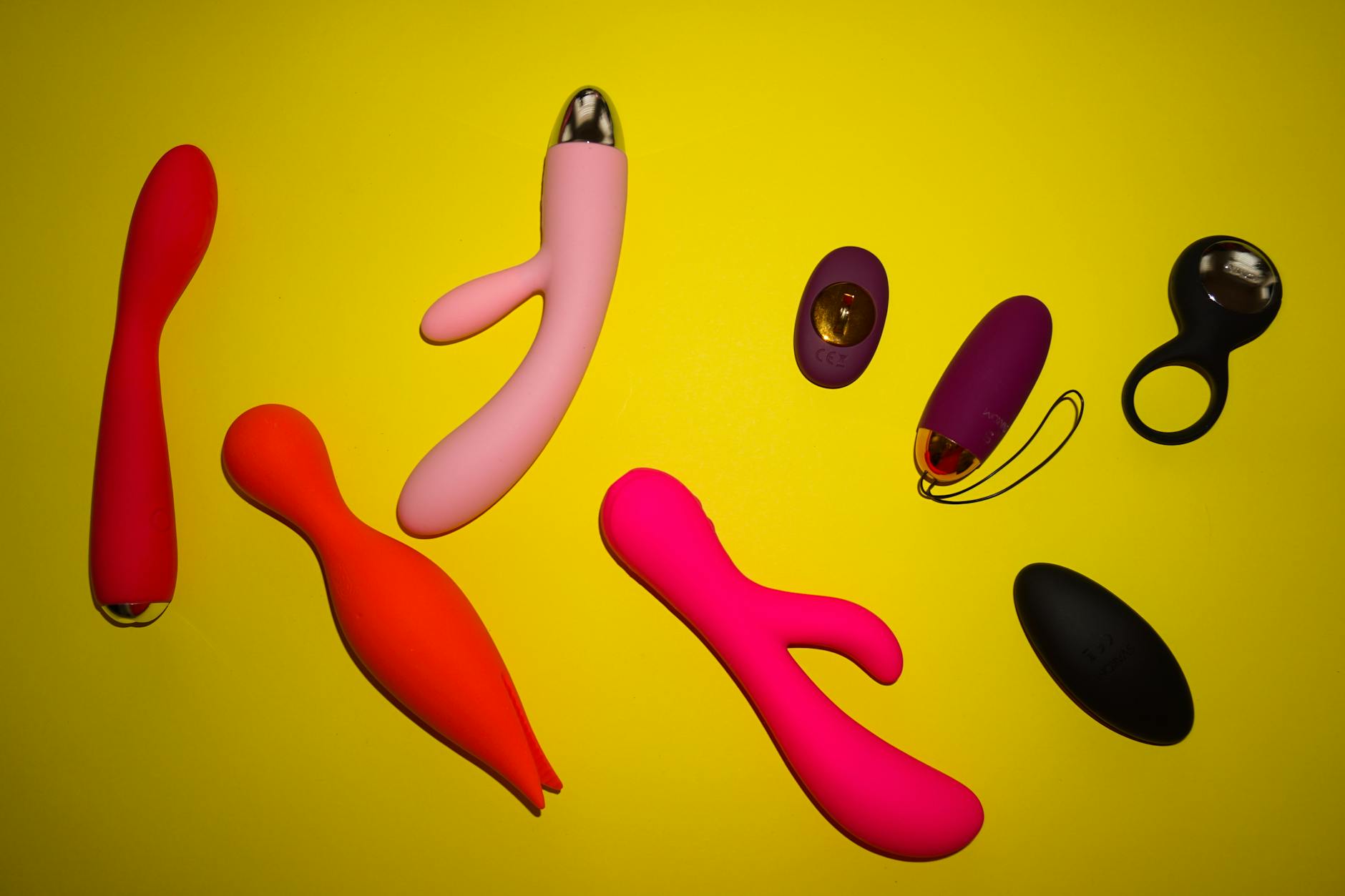
Photo by cottonbro studio on Pexels
Instead, just explore sensation. Turn on the lemon vibrator, feel the sensation, notice what happens in your body without commentary. Some women describe this as meditation with sensation. Others say it's the first time they've ever just let their body do what it wanted without judging it.
Why lemon vibrators specifically help with this
The design of lemon clitoral vibrators (like the Lem) does something specific. They use suction rather than direct vibration, which means the stimulation feels softer, more diffuse, and almost sensual rather than clinical. For people carrying shame or awkwardness, that distinction is huge. It doesn't feel like a tool for mechanics. It feels like something kinder.
The suction sensation also maps more closely to how many people naturally pleasure themselves with their hands. There's research showing that suction devices trigger nerve pathways that feel more "natural" to the body, which means less friction in your brain and more actual sensation in your body.
There's also something about the aesthetic of lemon sexual toys. They're beautiful. They don't look like they're apologizing for existing. That matters more than it should, but it does. If your device is hiding in a drawer wrapped in dark fabric, you're reinforcing the secrecy. If it's something you can look at without cringing, that's a form of permission.
The timeline for building comfort
The awkwardness doesn't usually vanish in one session. It's more like a slow fade. Most people report that by the third or fourth time using a lemon vibrator alone, the shame voice gets quieter. By the sixth time, it's barely there. After that, it's just neutral. You're doing something normal, for your body, that feels good.
Don't rush this. The awkwardness served a purpose once. It kept you "safe" from judgment, even if the judgment was mostly from inside your own head. As it softens, you might feel a little unmoored. That's okay. That's actually the space where real comfort grows.
What happens when you get comfortable
Here's what I've seen happen with clients who push through the awkwardness. Their pleasure becomes less dependent on external circumstances. They stop waiting for someone else to initiate sex. They know what they like, so they can communicate it. They feel less resentment in relationships because they're not expecting a partner to be the sole source of their pleasure. They sleep better. They have better focus during the day. Their baseline anxiety usually drops.
The pleasure itself also changes. When the guilt is gone, orgasms feel different. Not just more intense, but more integrated. You're not observing your pleasure from outside yourself. You're actually in your body.
When to reach out for more support
If the awkwardness doesn't fade after several attempts, or if it's tied to deeper shame about your sexuality or your body, talking to a therapist can help. Especially one trained in sex-positive work. This isn't a flaw. It just means there's a deeper belief system at play that might need attention from someone trained to help with exactly this.
If you have a partner and solo play feels like a betrayal, that's worth having an explicit conversation. Many couples find that solo exploration actually improves partnered sex. Others find they need to negotiate boundaries. Having that conversation with clear words is better than pretending the awkwardness will go away on its own.
Your pleasure is yours. You don't need permission from anyone else to explore it. A lemon clitoral vibrator is just a tool. The real permission comes from inside.
People Also Ask
Is it normal to feel awkward about using a vibrator alone?
Completely normal. Most of us grew up absorbing messages that solo pleasure was wrong or shameful. That doesn't mean it's actually wrong. It means you inherited a belief that can be released. The awkwardness fades with repetition and permission. Start by reframing it as exploration, not performance.
Will using a lemon vibrator alone affect my relationship?
Not in the way you're worried about. Research actually shows the opposite. People who understand their own pleasure tend to have better sex lives overall because they can communicate what works. Solo play and partnered play are separate categories. One doesn't diminish the other.
How do I talk to my partner about wanting solo pleasure time?
Direct and honest. "I want to explore what feels good in my own body, separate from us. This isn't about you or what we have together. It's about knowing myself better." Most partners respond well to that framing because it's clear and doesn't create comparison or competition.
What if I feel guilty even when I'm alone?
That's a sign the shame runs deeper. Start with what you can control. Create a dedicated space or time. Use a tool that feels permissive and beautiful, like a lemon vibrator. Practice the sentence "My body is mine." If the guilt persists, talking to a therapist trained in sex-positive work is worth considering.
Should I have a goal of orgasm when using a lemon vibrator alone?
Not in the beginning. Remove the goal and just explore sensation. Orgasm will likely follow once you stop trying for it. The goal-focused approach is where the awkwardness usually hides. When you can relax into sensation without needing an outcome, everything shifts.
How often should I use a clitoral vibrator if I'm new to solo play?
There's no magic number. Some people start once a week. Others go daily. Pay attention to what your body wants. If you're using it because you think you should, that defeats the purpose. If you're using it because you want to, that's the signal to follow.