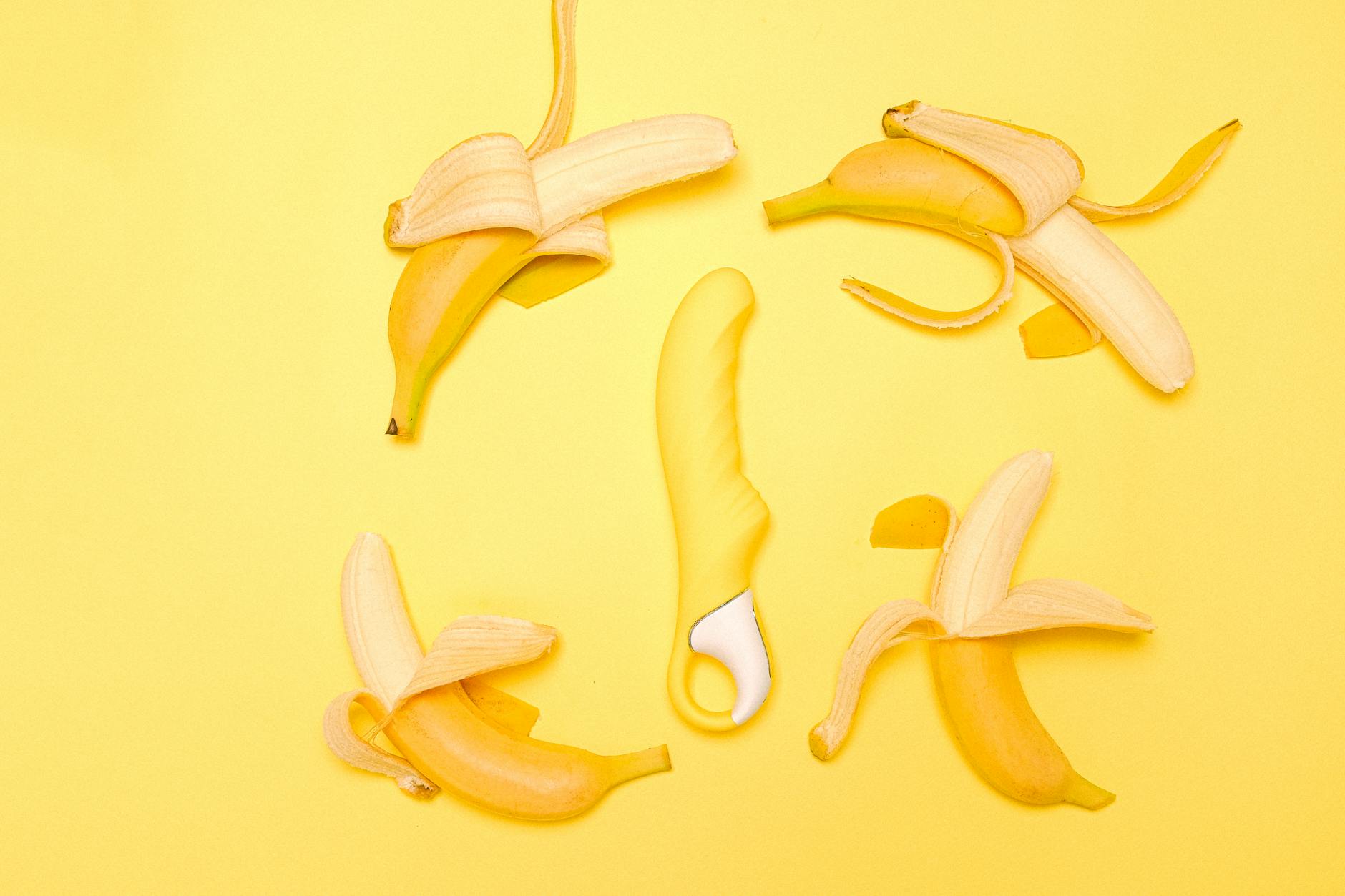
How to Use Lemon Vibrators When You Want Pleasure Solo but Struggle With Shame
Let's start with the obvious part nobody says out loud: shame around masturbation is one of the biggest things keeping people from their own pleasure. Not physical obstacles. Not lack of desire. Shame.
You want to touch yourself. You want to feel good. But somewhere in your body, a voice that isn't even yours says you shouldn't. That it's selfish, or dirty, or unfaithful, or just not something people like you do. And that voice is so familiar you've stopped noticing it's there.
Here's what I've learned from twenty years of working with couples and individuals: shame about solo pleasure doesn't come from nowhere. It's installed early, reinforced constantly, and it stays active in your nervous system even when your brain intellectually knows it's nonsense. Using a lemon vibrator isn't about the device itself. It's about systematically proving to your body that your pleasure matters and isn't something to hide.
Where the shame actually comes from
Masturbation shame isn't universal. It's cultural. In some families and religions, it's treated as a moral failing. In others, it's just not discussed, which teaches kids that it's unspeakable. By the time you're an adult, you've absorbed the message through tone of voice, awkward silences, and the way adults change the subject. Your body learned to feel guilty before your mind even had words for what guilt was.
There's also a gendered layer. If you have a vulva, you've likely absorbed messages that your pleasure is somehow less legitimate than your partner's. That masturbation is something you do when you're lonely or desperate, not something you do because it's genuinely good and you deserve it. This is still true even in supposedly "enlightened" spaces. The shame is quieter, but it's there.
The third piece is relationship-based shame. Many people feel that wanting solo pleasure means something is wrong with their partnership. If you're in a relationship and you still want to masturbate, there's often an unspoken fear: "If I tell my partner, they'll think I'm not satisfied with them." So you hide it. The hiding reinforces the shame. The shame makes the hiding feel necessary.
None of this is your fault. You didn't choose to download these beliefs. They were installed.
Why shame stops you from pleasure in real time
Shame doesn't just show up as a thought. It shows up in your body. When you try to masturbate and you feel guilty, your nervous system interprets that as danger. Your pelvic floor tightens. Your breathing gets shallow. Your ability to relax enough to feel pleasure contracts. So you either give up or you push through while simultaneously punishing yourself, which turns the whole experience into something joyless.
Then you can't finish. Or if you do, you feel hollow afterward instead of satisfied. You promise yourself you won't do it again. And the cycle tightens.
This is why tools like lemon vibrators can actually be transformative in a way that seems weird until you understand the psychology. A vibrator isn't magic. But it does something specific: it makes solo pleasure feel intentional, not desperate. It gives you permission to slow down instead of rushing through guilt. It creates a small ritual that says "my pleasure is worth this."
How using a lemon vibrator can start unwinding shame
There's something about holding a beautiful tool that's designed specifically for your pleasure that changes the nervous system's response. Instead of "I'm doing this furtively," it becomes "I'm using a device made for this, in my own space, for my own body." That's a different story your nervous system tells itself.
With Lemon Nancy's lemon clitoral vibrators specifically, the suction-based design removes some of the shame around direct stimulation. There's something less "intense" or "explicit" (in your mind's eye) about using a lemon vibrator than other styles. It feels gentler, more playful even. That matters for shame. If part of you still feels that pleasure should be serious or furtive, a lighter-touch tool meets you where you are.
Building a personal permission slip
Here's the practical part. You can't think your way out of shame, but you can gradually retrain your nervous system through small, repeated experiences of safety. This is what I'd call building your own permission slip.
Start by choosing a time and place that's yours. Not when you "have to" or when you're desperate. Just a time that feels manageable. Close a door. Put your phone across the room if you need to.
Before you touch yourself, name one thing that's true: "My pleasure matters. I deserve this. I'm taking care of my own body." Pick whichever one lands. You might feel like you're lying. That's normal. Your nervous system is skeptical. Say it anyway.
Then spend five minutes not doing anything productive. Read something that makes you smile. Listen to music you love. Let your body settle. If you feel the urge to rush, notice it. That's shame saying "get this over with." Slow down on purpose.
When you introduce a lemon vibrator, don't make it about finishing. Make it about noticing. "What does this feel like? Where do I want it? What rhythm do I want today?" These questions move you from goal-focused (finish quickly, hide evidence) to sensation-focused (I get to feel good).
If you finish and feel satisfied, great. If you don't, that's also fine. The point is that you stayed present and you didn't punish yourself for wanting pleasure.
What to do about the relationship question
If you're partnered and this shame is partly about your relationship, there's a deeper conversation happening. And I say this gently: solo pleasure and partnered pleasure aren't in competition. One doesn't diminish the other. People who have great sex with partners also masturbate. This is just true.
If you feel unsafe telling your partner about solo pleasure, that's worth examining. Not because you owe your partner access to your private body. You don't. But because that level of secrecy often means there's something else uncomfortable in the relationship that's making you hide.
If you do want to have the conversation, the frame matters. "I want to explore my own pleasure more. This isn't about us. It's about knowing my own body better." Most secure partners hear this and feel relieved, not threatened. If your partner responds with jealousy or control, that's information. Not your fault, but worth paying attention to.
For solo folks, the shame often has a different flavor: "I should want this less. I should be out dating. I should need a partner to feel this." None of that's true either. Knowing how to pleasure yourself is not a consolation prize for being single. It's a life skill and a genuine pleasure.
Small rituals that reinforce permission
Shame thrives in secrecy and rushed moments. So build small rituals that do the opposite.
Before you use your lemon vibrator, light a candle. This sounds simple, but it signals to your nervous system: "This is a thing I'm choosing to do. It's safe enough to slow down for." It takes shame (which lives in shadows and hurrying) and puts it under actual light.
After, sit with yourself for two minutes. Don't immediately jump up and "move on" like you need to erase evidence. Just breathe. Notice how your body feels. This is the neurological opposite of shame, which says "hide quickly."
If you feel guilty afterward, don't try to think it away. That doesn't work. Instead, name it: "There's the guilt. That's the old story. I'm choosing a new one." Then do something kind for yourself. Drink water. Put on a song. Touch your arm gently. Your nervous system learns safety through these small acts, not through logic.
When shame is tied to trauma
If your shame around solo pleasure comes from sexual trauma or deep religious conditioning, this isn't something to white-knuckle through alone. A therapist who specializes in sexual health or somatic therapy can help. Shame that's rooted in trauma often needs professional support to unwrap. There's no weakness in asking for that help.
But even if you do that work, small tools like a lemon vibrator can be part of your healing. They help you practice reclaiming your body in real time.
The bigger picture: pleasure as a form of self-respect
Here's what I want you to know: wanting solo pleasure isn't selfish or desperate or dirty. It's an act of self-respect. It's saying "my body matters. My sensation matters. I'm worth this time." That's radical if you've been taught otherwise.
Using a lemon vibrator when you're working through shame isn't about the vibration itself. It's about the choice. The choosing. Every time you choose pleasure despite the voice that says you shouldn't, you're slowly rewiring what your nervous system believes about whether you deserve good things.
This doesn't happen overnight. Shame is deep. But it's not permanent. With patience and repetition, your body learns a new story.

Photo by DRT.fm on Pexels
Frequently asked questions
How do I know if my shame is "normal" or if it's something deeper?
Normal shame around masturbation is discomfort that softens with time and repetition. You feel a little awkward, but you can move through it. Deeper shame stops you completely. You physically can't touch yourself, or you can only do it in states of high dissociation, or you feel physically ill afterward. If it's the latter, talking to a therapist is genuinely worth it. You don't have to live in that much discomfort.
Can using a lemon vibrator actually change how I feel about solo pleasure?
Not the vibrator itself, but the practice can. When you use a device you've chosen, in a space you've claimed, in a way that feels intentional, you're creating evidence for your nervous system that this is safe and okay. Repeat that evidence enough times and shame starts to lose its grip. It's not magic. It's neuroscience. Your brain is plastic. It learns through repetition.
What if my partner finds out I'm using a vibrator?
If you're worried about this, you might ask yourself why. Do you feel unsafe in your relationship? Do you genuinely need to hide, or does shame just make hiding feel necessary? Most secure partners either don't care or are happy that you're taking care of your own pleasure. But if you do feel unsafe, that's worth looking at separately. Your solo pleasure shouldn't be something you need to hide like a secret.
Is it selfish to want solo pleasure when I'm in a relationship?
No. It's self-care. You might feel guilty because somewhere you learned that your desire should only exist for your partner's benefit. That's a cultural message, not a truth. Knowing your own body makes you a better partner, not worse. You know what you like. You're less desperate or resentful. You have a baseline of pleasure that isn't dependent on someone else showing up perfectly. That's actually good for partnership.
How long does it take to feel less ashamed?
It varies. If your shame is recent or situational (triggered by a specific relationship), it can shift in weeks. If it's deeply embedded from childhood or religion, months or years. But real change does happen. I've worked with people who had massive shame around their own pleasure, and through consistent small acts of choosing themselves, that shame eventually became quiet enough that pleasure could actually be felt. Patience with yourself matters more than speed.
Does using a lemon vibrator mean something is wrong with my solo sex life?
No. It means you're choosing a tool that works. Some people use vibrators, some don't. Neither is better or more "real." A lemon vibrator is just a thing that feels good. The meaning you give it is what counts. If it helps you slow down and feel less ashamed, it's serving a purpose.
The bottom line
You shouldn't have to feel shame around touching your own body. That shame was taught, which means it can be unlearned. Using a lemon vibrator isn't a cure for deep shame, but it can be a tool in the process of rewiring your nervous system to believe that your pleasure matters.
Start small. Be patient with yourself. And remember: every time you choose your own pleasure despite the old voice, you're making a choice that your body deserves good things. That's not selfish. That's the opposite. That's survival.
If you're ready to explore but still uncertain, connect with us. We're here to help you reclaim pleasure without the guilt.