Let's talk about the awkward part nobody mentions
You want to come multiple times. Your body takes forever to recover between orgasms. These two things feel like they're in direct conflict, and you're starting to wonder if extended pleasure sessions are just not for you anymore.
Here's the thing: that refractory period (the time your body needs to reset before arousal builds again) isn't broken. It's not punishment. It's just how your nervous system works right now, and it changes depending on stress, hormones, age, medications, and honestly, what you had for lunch. Understanding this changes everything about how you approach pleasure.
What actually happens during a refractory period
After orgasm, your nervous system shifts into parasympathetic mode (rest and recover). Blood pressure drops. The clitoris becomes temporarily desensitized. Your brain literally needs time to rebuild arousal signals. For some people, this takes two minutes. For others, it's fifteen or thirty. Both are completely normal.
The internet tells you that refractory periods are shorter in people with vulvas than in people with penises, which is statistically true but wildly unhelpful as guidance. Yes, some people can chain orgasms together. Many cannot. Age compounds this. Hormonal changes amplify it. Stress, medications, and how much sleep you got last night all factor in. So does whether your nervous system is wired for intense sensation recovery or gentle rebuilding.
The problem isn't your refractory period. The problem is the cultural myth that multiple orgasms should feel effortless, back-to-back, Hollywood-script easy. They're not supposed to feel that way for most people, and chasing that myth turns extended pleasure into a performance.
The refractory period strategy that actually works
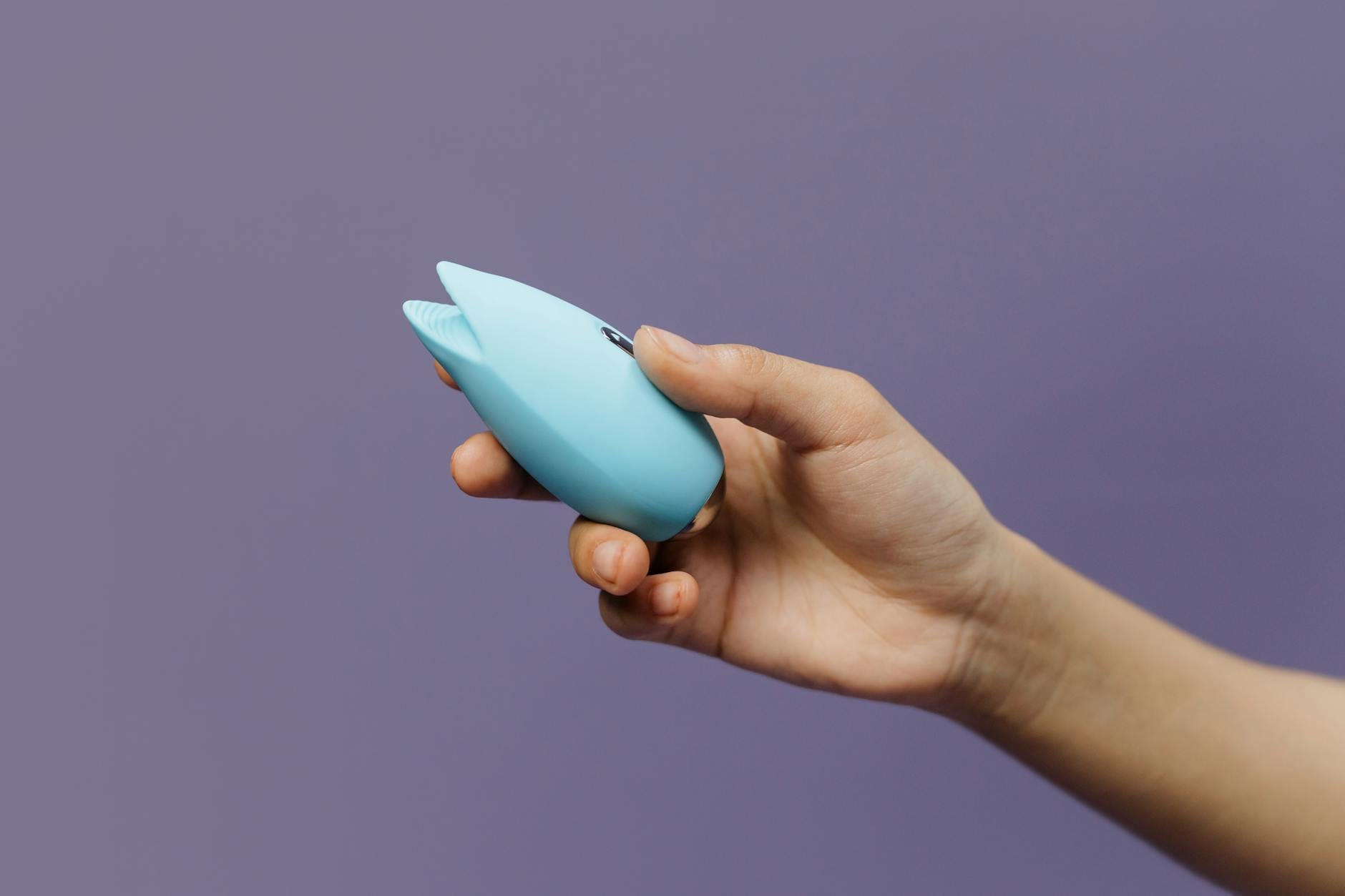
Instead of fighting your recovery time, design around it. Here are four approaches that work with lemon vibrators like the Lem:
1. Staggered intensity instead of continuous stimulation. After your first orgasm, don't immediately go for another. Instead, use lower pattern settings (try 1-3 on the Lem) on the surrounding tissue for 3-5 minutes. This keeps you in the pleasure zone without demanding immediate arousal. When sensitivity starts rebuilding, gradually increase intensity. You're not chasing the next orgasm. You're keeping your body engaged while it recovers.
2. Switch stimulation zones. The clitoris is desensitized after orgasm, but the vulva isn't monolithic. Try focusing on the outer labia, the perineum, or even just holding the vibrator nearby without direct contact. This maintains arousal without overstimulating the exact tissue that just fired. As sensation rebuilds, you can gradually move back to direct clitoral contact.
3. Build longer arousal arcs between orgasms. Instead of five one-minute orgasms, aim for two or three longer ones. Spend 10-15 minutes in the buildup phase between each one. This actually feels less exhausting and often produces more intense sensations because your nervous system isn't being asked to recover and spike repeatedly in quick succession.
4. Add manual touch between vibrator use. After an orgasm, set the Lem down. Use your fingers for gentle, broader stimulation. This keeps arousal alive without the intensity of the toy. The manual touch often feels softer and more diffuse, which many people find easier to tolerate during recovery phases.
Why the Lem works particularly well for this
Clitoral suction vibrators like the Lem are excellent for managing refractory periods because they stimulate through suction and pulsing rather than direct vibration alone. This means you can control intensity incredibly finely. You're not locked into a single level of sensation. You can start at pattern 1 (barely-there pulsing), stay there through recovery, and gradually increase as arousal rebuilds. That's way harder to do with a standard vibrator that's either on or off.
The Lem's broader stimulation also means you have options. Lower intensities feel gentler and less demanding on sensitive tissue. Higher patterns deliver intensity when you want it. You're not dependent on back-to-back marathons to feel satisfied.
The mindset shift that changes the game
Here's what I notice with clients: the moment you stop treating a longer refractory period as a problem, pleasure actually improves. Why? Because you stop rushing. You're not thinking "I should be coming again by now." You're thinking "What do I actually enjoy right now?" That shift alone typically extends sessions and makes them feel less pressured.
Multiple orgasms aren't a checklist item. They're a texture option. Some sessions will have them. Some won't. The good ones feel connected, whether that's one long sustained orgasm or three smaller ones spaced out over 30 minutes. The difference is how present you are, not how many climaxes you rack up.
If you're partnered, this timing also becomes less stressful. You're not trying to sync up to some imaginary standard. You get to say "I want to take my time with this" and have that be completely legitimate.
Practical timing guidelines
If you want to plan a session, here's a realistic structure that works for most people with longer recovery times:
- Minutes 1-10: Initial warmup and arousal building. Start with pattern 1 or 2, gradually increase.
- Minutes 10-15: Build toward first orgasm at whatever intensity feels right.
- Minutes 15-25: Recovery and transition phase. Lower settings, broader stimulation, possibly manual touch.
- Minutes 25-40: Second arousal arc. This often builds differently than the first, sometimes faster, sometimes slower.
- Minutes 40-45: Second orgasm or continued pleasure without orgasm as the goal.
That's a realistic 45-minute session that acknowledges recovery time instead of pretending it doesn't exist. You're not rushing through three orgasms in ten minutes. You're creating sustained pleasure that feels good in your actual body.
When medication or stress complicates recovery
Some medications genuinely slow refractory periods. Certain antidepressants, hormonal contraceptives, and blood pressure meds can all affect how quickly arousal rebuilds. If you're on any regular medication and noticing longer recovery times, that's worth mentioning to your doctor. It's not a character flaw. It's a side effect, and sometimes it can be addressed or managed.
Stress is the other major factor. High cortisol basically locks your nervous system in a state where arousal takes longer to build and recovery takes longer to happen. If you're stressed, your refractory period will lengthen. This is temporary. It also means that slower sessions, when you're not pushing, often feel more satisfying than rushed ones ever could.
The question nobody asks but should
Do you actually want multiple orgasms, or do you want your session to feel long and connected? These aren't the same thing. Some people genuinely love that stacked-orgasm sensation. Many others would prefer one deep, sustained orgasm followed by 20 minutes of low-intensity pleasure and touch. Ask yourself which one actually sounds good to you, separate from what you think you're supposed to want.
If it's the latter, you can stop treating your recovery time as an obstacle. You've got exactly what you need.
FAQ
How long should I wait between orgasms to avoid desensitization?
There's no magic number, but 5-15 minutes is typical for most people. The key isn't waiting a specific amount of time. It's paying attention to when arousal starts rebuilding naturally. If you're trying to force another orgasm before your body is ready, you'll hit a wall. If you're using intermediate-intensity stimulation on surrounding tissue instead of direct clitoral contact, you can often shorten the waiting period without the numbness.
Can I train my body to have a shorter refractory period?
Not really, and trying to usually backfires. Your refractory period is set by your nervous system, hormones, and current stress level. Those aren't trainable in the way fitness is. What you can do is work with your actual recovery timeline instead of against it. Most people find that when they stop fighting their refractory period, pleasure actually deepens because the pressure disappears.
Is it normal for my refractory period to have gotten longer as I've gotten older?
Completely normal. Refractory periods typically lengthen slightly with age, and they also shift with hormonal changes, medication, and stress. That's not a sign something's wrong. It's just information about how your body works right now. Many people find that once they accept the new timeline, they actually enjoy longer sessions more because there's less pressure and more presence.
What if my partner wants me to have multiple orgasms and I can't?
That's a conversation to have outside the bedroom. Your pleasure isn't a performance metric for your partner's benefit. You can want multiple orgasms for yourself and still have a refractory period that makes them take time. If your partner is pushing for something your body doesn't naturally do, that's worth addressing directly. "I enjoy coming, and I also need recovery time. Both of those are true" is a complete sentence.
Do lemon vibrators work better than other toys for managing refractory periods?
Clitoral suction vibrators like the Lem give you fine control over intensity, which makes it easier to modulate stimulation through recovery phases. But the real tool here is information. Any vibrator works if you're using it intentionally and working with your body's actual recovery timeline instead of fighting it. The Lem just makes the control easier.
Can lube help with refractory period recovery?
Yes, actually. After an orgasm, tissue can feel tender. Adding lube reduces friction during the recovery phase when you're using lower intensities and gentler stimulation. Water-based lube is your friend here. It won't interfere with silicone toys and it makes that intermediate-intensity phase significantly more comfortable.
Here's what changes everything
Your refractory period is not your limitation. It's the actual shape of your pleasure. Once you stop treating it as something to overcome and start treating it as the real timeline of your body, extended sessions go from frustrating to genuinely satisfying. You're not racing toward orgasm number three. You're creating sustained pleasure that actually feels good in the body you have right now.
If you want to explore this further or talk through what a realistic pleasure timeline looks like for your body, reach out to us. This is exactly the kind of thing worth getting clarity on.