Let's talk about what's actually happening
You're in the mood on Tuesday. Wednesday, your body feels like a closed door. Thursday, you're somewhere in between. This isn't random chaos. It's not you being broken or losing interest. It's your nervous system responding to a dozen different variables at once, most of which you're not consciously tracking.
Here's the thing: arousal variability is so normal that the real problem isn't your body. It's the expectation that pleasure should feel identical every single time. That's not how human sexuality works.
I work with clients who describe this constantly. "Sometimes I can orgasm in three minutes. Other times I need twenty. Some days I barely want to be touched." They assume something is wrong. What's actually happening is their nervous system is doing exactly what it's designed to do. Shift. Adapt. Respond to context.
What actually controls your arousal baseline
Arousal doesn't come from a single switch. It's a combination of factors that shift throughout your month, week, and even day.
Stress is the biggest player. Cortisol is arousal's enemy. High cortisol (from work, relationships, sleep deprivation, illness) literally dampens the neural signals that trigger desire. This isn't willpower or attraction. It's biochemistry.
Hormones matter, too. If you menstruate, you probably notice arousal peaks around ovulation and dips before your period. If you're on hormonal birth control, your arousal baseline might sit lower overall. Perimenopause and menopause shift things again. These aren't small fluctuations. They're significant changes in how your nervous system primes for pleasure.
Sleep quality deeply affects arousal. One night of bad sleep can lower your entire sexual responsiveness the next day. A full week of disrupted sleep? You're running on fumes. Your body is too busy managing survival to prioritize pleasure.
Relationship context changes things. Conflict with a partner, even unresolved tension, kills arousal. Feeling emotionally safe and seen amplifies it. This is why post-fight sex exists. Once the nervous system feels safe again, desire rushes back.
Even small things matter. Caffeine intake, how hydrated you are, whether you've moved your body that day, what you ate, how much time you've spent outside. Arousal responds to your whole life, not just the moment.
Why "just relax" is useless advice
When arousal is inconsistent, people usually get told some version of "relax more" or "be patient with yourself." This is technically true but completely unhelpful. You already know you should be relaxed. The problem is you don't know how to get there when your nervous system is overloaded.
Relaxation isn't a state you enter by thinking about it. It's a nervous system recalibration that happens when your body feels safe. If you're stressed, running on fumes, or emotionally disconnected from yourself, no amount of deep breathing fixes that in the moment.
What does work is designing your pleasure experience around your actual arousal variability, not fighting against it.
Tying pleasure to external stimulation instead of internal state
This is the practical shift that changes everything. Instead of waiting to feel "in the mood," you use external tools to guide your body into arousal. This sounds backward, but it works.
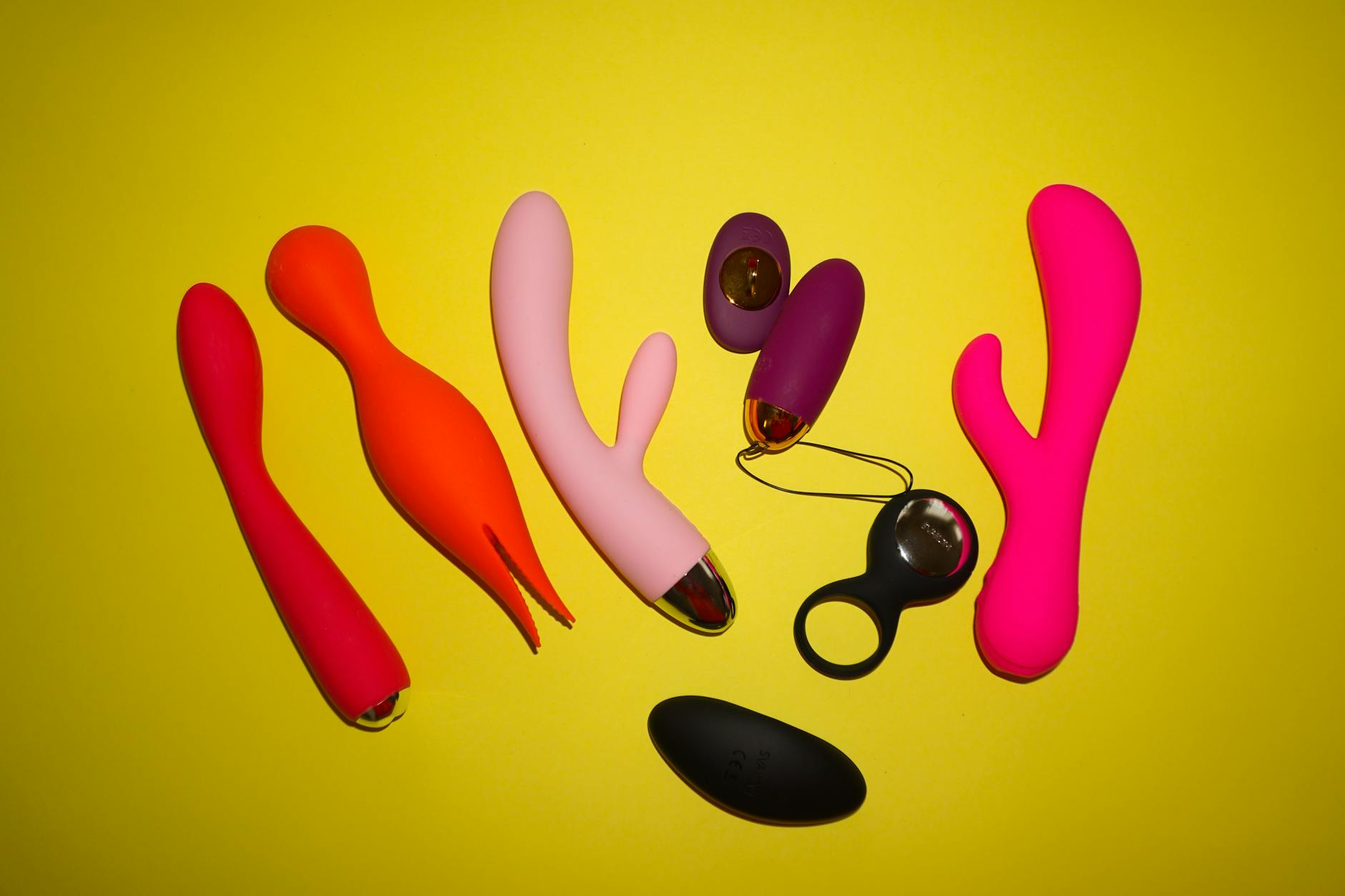
Clitoral vibrators like the Lem function as a kind of nervous system jumpstart. They provide consistent, specific stimulation that your body can respond to regardless of your baseline arousal state. You're not trying to force yourself to feel desire. You're giving your nervous system something concrete to respond to.
Here's how it works differently depending on your arousal state:
On high-arousal days, vibrators feel intensely satisfying quickly. You might need shorter warm-up time. Start at medium intensity.
On moderate-arousal days, you'll need longer warm-up time but you'll still build sensation steadily. Go slow, start low, let the stimulation accumulate.
On low-arousal days, external stimulation sometimes unlocks arousal that wouldn't happen otherwise. This is where the Lem's suction technology helps. Suction stimulation works differently than vibration. It can trigger arousal responses even when your nervous system feels offline.
The key difference: you're not waiting to feel ready. You're using the tool to help your body become ready.
How to adjust your approach based on how you're feeling
Start with one rule: never force it. If you try using a clitoral vibrator and your body keeps saying no after a few minutes, stop. Your nervous system is telling you something real. Listen.
For inconsistent arousal specifically, the strategy is customization. You need to know your own arousal map.
Spend one or two weeks tracking how you feel. Not obsessively. Just a note: "easy arousal today, took five minutes to climax" or "struggled to feel anything, got frustrated after twenty minutes." After a week or two, patterns usually emerge. Maybe arousal is better in the morning. Maybe you need a full hour of zero stress beforehand. Maybe you do better when you've exercised. Maybe arousal is actually more consistent than you thought, just less intense on certain days.
Once you see the pattern, you can plan differently. On days when arousal typically comes easily, you might use the Lem at full intensity for quick satisfaction. On tougher days, you might build in longer foreplay time, use lubricant, and start at lower intensity settings. On days when your nervous system feels completely offline, you might skip it entirely and try again tomorrow.
This flexibility is not failure. It's wisdom.
The role of novelty and routine
One of the weird things about arousal variability is that sometimes low arousal comes from boredom, not stress. You've done the same thing the same way too many times. Your nervous system is literally no longer interested.
This is when exploring different types of stimulation helps. If you usually use vibration, try suction. If you usually go fast, try slow, deliberate patterns. If you usually do solo play, try adding a partner. If sensation has felt numb, experiment with different speeds and intensities than usual.
Lemon Nancy's lineup of clitoral vibrators and toys gives you that flexibility. The Lem itself has multiple intensity settings and patterns. The Berri offers a different form factor. The Lolly is compact for variety. Swapping between different textures, shapes, and stimulation types sometimes reignites arousal that felt flat.
But here's the balance: don't let novelty-seeking become a source of stress. "I should always be trying something new" is just another way to pressure yourself. Sometimes consistent, familiar pleasure is better than constant experimentation.
When inconsistent arousal signals something else
Variability is normal. But there's a threshold. If arousal has dropped dramatically and stays low despite trying different approaches, or if low arousal came on suddenly after a major life change, it's worth checking in with yourself or a professional.
Sometimes inconsistent arousal is actually depression. Sometimes it's thyroid issues. Sometimes it's a medication side effect. Sometimes it's unprocessed relationship stuff that needs real conversation or therapy. Sometimes it's trauma responses.
If you've already tried the adjustment strategies here and nothing helps, that's the signal to look deeper. Talk to your GP, a sex therapist, or a couples counselor. There's usually something real to address.
For everyday arousal variability though, the answer is: you adapt. You learn your own patterns. You use tools like lemon vibrators strategically instead of waiting for perfect conditions. You stop treating inconsistency as failure.
The most underrated part of managing arousal
This might sound boring compared to technique advice, but it's the real change-maker: basic nervous system care. Sleep, movement, food, time outside, genuine rest without your phone.
You can have the best clitoral vibrator and the best partner and the best intentions, but if you're chronically sleep-deprived and stressed, your arousal ceiling is lowered. The quickest way to improve arousal consistency isn't more techniques. It's one good night of sleep and saying no to something draining.
I know that's not sexy advice. But it actually is, because when your nervous system is regulated, arousal comes more easily and feels better. Everything works better.
FAQ
Why does my arousal feel higher at certain times of the month?
If you menstruate, your arousal fluctuates with estrogen and testosterone throughout your cycle. Arousal typically peaks in the days before ovulation when estrogen rises. It dips in the week before your period. This is biological, not psychological. Tracking these patterns helps you understand when your body naturally builds arousal faster. On low-arousal days, tools like lemon vibrators help bridge the gap.
Can I improve my baseline arousal permanently?
Partly. You can't override your biology, but you can manage the variables you control. Sleep consistency, stress management, regular movement, and emotional safety all raise your baseline. You can also address specific obstacles, like medication side effects or relationship disconnection. What you can't do is make arousal stay high all the time. The goal isn't constant high arousal. It's arousal that's consistent enough to be satisfying.
What if my partner thinks my varying arousal means I'm losing attraction to them?
This is a conversation worth having directly. Arousal variability isn't about your partner. It's about your nervous system responding to your entire life context. Help them understand that some days you feel like sex instantly, other days you need warmup time, and some days you genuinely need rest instead. Many partners feel less rejected once they understand it's not personal. If your partner continues to take it personally, that might be a couples counseling conversation.
Is it normal to need a vibrator to orgasm on low-arousal days when I can do it without one on high-arousal days?
Completely normal. External stimulation helps your nervous system when it's already running depleted. This isn't weakness or dependency. It's using a tool strategically. Think of it like needing caffeine some mornings but not others. Your capacity doesn't change. Your context does.
How long should I wait to orgasm before I give up on a particular session?
There's no universal answer, but I typically suggest: if you're enjoying the sensation, keep going. If you're frustrated or bored after fifteen to twenty minutes, stop. Your nervous system is telling you "not today." Coming back to it another time when you're less stressed usually works better than pushing through frustration.
Can anxiety about inconsistent arousal make it worse?
Absolutely. Performance anxiety around "will I be able to come today" creates nervous system tension that actually prevents arousal. Sometimes the cycle becomes: low arousal, anxiety about low arousal, more tension, even lower arousal. Breaking this means accepting that some days are low-arousal days without judgment. Use tools like clitoral vibrators without expectation. Sometimes that pressure release is enough to let arousal actually happen.