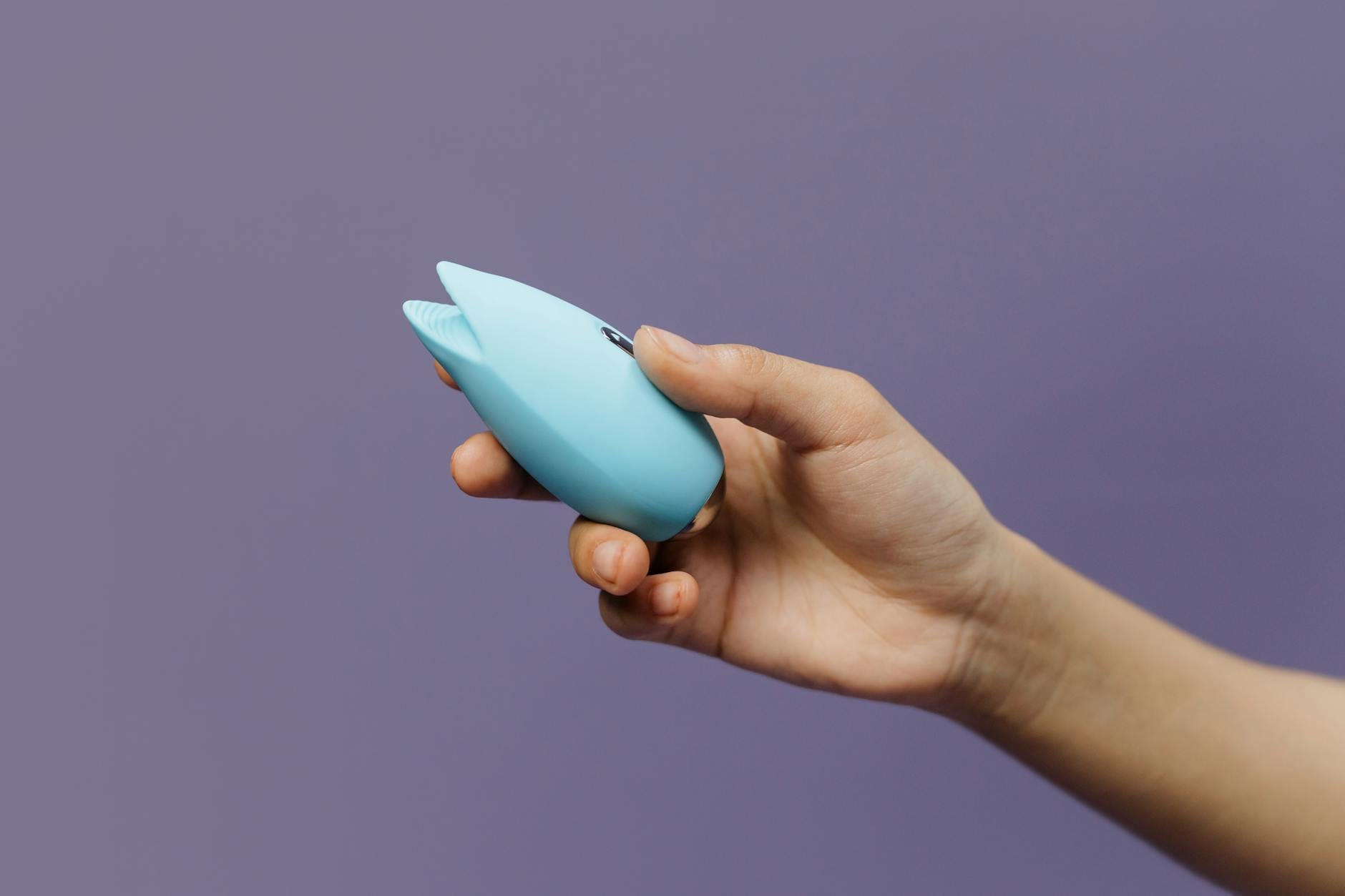
Let's start honest
Pain during sexual pleasure is not something you have to accept. If vibrators, touch, or arousal itself has caused discomfort in the past, the instinct is to avoid altogether. That's protective. But it also means you might miss out on tools specifically designed to work differently than what hurt before.
Lemon clitoral vibrators, especially our suction-based designs, operate on a completely different principle than traditional vibrators. That difference matters if you've experienced pain.
Why typical vibrators can trigger discomfort
Most vibrators work through repeated friction or percussion. They press or oscillate directly against tissue. For people with vulvar pain conditions, trauma history, or heightened nerve sensitivity, that direct mechanical stimulation can range from uncomfortable to genuinely painful. The tighter you tense up to protect yourself, the more the muscles around the area contract, which makes sensation feel sharper.
There's also the psychological layer. If you've had pain before, your nervous system learns to anticipate it. Your body braces. That anticipatory tension alone can make gentler stimulation feel intense.
The good news: suction vibrators like lemon toys work on suction and pulse rather than direct friction. The sensation is gentler, more distributed, and doesn't require the same kind of surface-level pressure.
How suction changes the equation
Think of suction like a gentle pulling motion that stimulates the clitoral nerves without bearing down. Instead of vibration traveling through tissue from the outside in, suction creates a soft pressure envelope. For many people with pain history, this feels fundamentally safer.
Why? A few reasons.
First, suction distributes sensation more broadly instead of concentrating it in one spot. If you have a tender area, that localized intensity won't trigger the same protective response.
Second, you control the intensity through which suction level you choose. Most lemon vibrators offer multiple settings. You start at the gentlest and work up only if it feels good, not because you have to meet the tool halfway.
Third, suction doesn't require full arousal to feel pleasant. Traditional vibrators often feel better once you're already quite turned on. Suction can help you get there without requiring you to already be there, which matters if pain anxiety is dampening arousal in the first place.
Building comfort step by step
If you've had pain, exploration needs to feel safe. Here's how I'd approach it.
Start with zero pressure. Hold the lemon vibrator near the area without turning it on. Let your nervous system get used to the shape, temperature, and presence. This sounds basic, but it's foundational. Your body needs to know this object isn't a threat before stimulation enters the picture.
Then add vibration without contact. Turn it on at the lowest setting and hold it a few millimeters away. You'll feel the hum. No direct pressure. Some people find this sensation soothing on its own.
Make contact at the gentlest setting. Once that feels safe, rest it lightly against the outer area. Don't press. Let gravity do the work. You should feel a subtle pulse, not intensity.
Stay there as long as it feels good. This might be weeks. That's not slow. That's smart. You're rewiring your nervous system's association with this kind of touch.
Gradually increase only when curiosity wins over caution. Move to a slightly higher setting only after the current one feels genuinely neutral or pleasant. There's no timeline.
Many people find that once they get to medium settings on a lemon clitoral vibrator, sensation feels almost meditative. Not aggressive. Restorative.
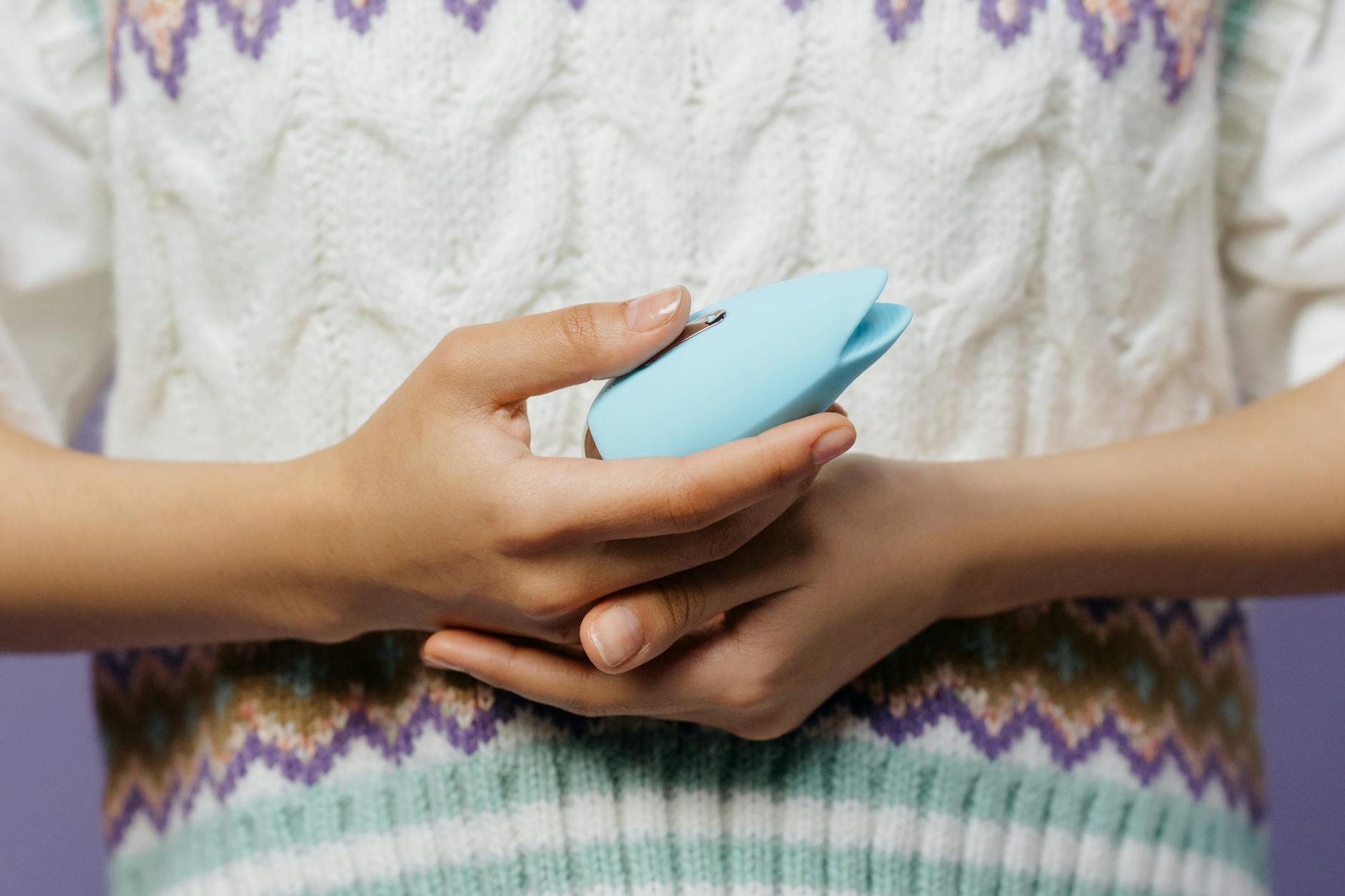
Photo by cottonbro studio on Pexels
When pain shows up even with the right tool
Sometimes pain persists regardless of the device. That's information, not failure.
Vulvodynia, provoked vestibulodynia, vaginismus, and other pain conditions are real. They're treatable, but not with a toy. If you try a lemon vibrator across multiple sessions at low settings and sensation still triggers pain, see a pelvic floor physical therapist or a vulvovaginal pain specialist. These professionals can assess whether the pain is muscular tension, nerve sensitization, skin condition, or something else entirely. Treatment exists. You deserve it.
There's also the possibility of past trauma wiring your nervous system to perceive touch as dangerous even when it's safe. A trauma-informed therapist can help you gently rewire that response. Toys are a wonderful complement to therapy, not a replacement.
The psychological piece you can't skip
Here's what nobody tells you: half the pain story is mental. If you're anxious, you tense. If you tense, sensation feels sharper. If sensation feels sharper, you brace harder. It's a feedback loop.
Breaking it requires working on both the physical and the mental side. That might look like:
Mindfulness while exploring. Before you use the lemon vibrator, spend two minutes noticing your breathing. Then while using it, check in. Are your shoulders tense? Is your belly breathing or held? You can't force relaxation, but you can notice tension and gently invite your body to soften.
Reframing what sensations mean. If you feel a sharp sensation, your first thought might be "pain, danger." But it could be heightened sensitivity, nerve awakening, or just unfamiliar sensation. None of those require stopping. Pause, breathe, notice, then decide whether to continue.
Setting a decision boundary before you start. I want to use this for five minutes regardless of how sensation feels is very different from I'm going to use this until it feels amazing. The first one gives your nervous system permission to relax. You're just exploring. No performance required.
Taking breaks between sessions. If you explore for a few minutes and feel good, stop. Don't push toward an outcome. End while sensation still feels pleasant. Your nervous system will trust you more next time.
When to involve a partner
If you have a partner and pain history, communication here is everything. Many partners want to help but don't know how. Here's what actually helps:
Let them know you're exploring at your own pace and you might feel anxious. That's not about them. That's about your nervous system learning safety.
Invite them to be present without pushing. They can sit nearby, hold your hand, or just be in the room. Their calm presence can help your body relax.
Let them know that if you pause or stop, it's not rejection. It's information. You're listening to your body.
Consider exploring solo first. There's less pressure when no one's waiting for a specific outcome. Once you feel confident with a lemon vibrator on your own, partner exploration becomes additive, not mandatory.
Real talk on expectations
You might use a lemon clitoral vibrator and feel absolutely nothing. That's okay. Sensation doesn't equal pleasure, and pleasure doesn't equal orgasm. Some people find that the real win is the absence of pain. Others find that after weeks of gentle exploration, sensation gradually awakens. Both are success.
Your pleasure isn't broken. It's just been protecting you. Tools like lemon vibrators and approaches like gradual, pressure-free exploration can help you rebuild trust with your own body. That's the goal.
People also ask
Can lemon clitoral vibrators cause pain if I have vulvodynia?
Not necessarily. Many people with vulvodynia find that suction vibrators feel better than traditional ones because they distribute pressure differently. But every body is different. Start at the lowest setting, maintain zero-pressure contact initially, and stop if anything triggers pain. If pain persists, a vulvovaginal pain specialist can rule out other factors and recommend treatment alongside toy use.
How long does it usually take to feel comfortable with a lemon vibrator if touch has been painful?
There's no standard timeline. Some people feel comfortable within a few sessions. Others need weeks of gentle exploration. The key is following your own pace, not a timeline. You're rewiring your nervous system, and that's slower than rushing, but it sticks.
Is suction less intense than vibration?
Not always less intense, but differently intense. Suction distributes sensation more broadly, whereas vibration concentrates it. For some people, that makes suction feel gentler. For others, it feels stronger. The advantage is that you can adjust suction levels independently of vibration, giving you more fine-tuned control.
Can I use a lemon vibrator if I've had sexual trauma?
Yes, but with intention. Start completely clothed or with layers between you and the toy. Your nervous system needs to learn that this object is safe. A trauma-informed therapist can guide you through graded exposure if you want professional support. The toy is a tool, not a cure, but it can be part of healing when used carefully.
What should I do if I try a lemon vibrator and it still feels painful after a few sessions?
Stop and see a professional. Pain that persists across sessions isn't something a different toy will solve. A pelvic floor physical therapist or vulvovaginal pain specialist can assess whether the issue is muscular, neurological, dermatological, or psychological. Once you know what's driving it, treatment exists.
Does anxiety about pain actually make it worse?
Completely. Anticipatory anxiety triggers muscle tension, which narrows blood vessels, which reduces sensation and amplifies discomfort. That's not in your head. That's your nervous system doing its job. Working on both the physical tool and the psychological response (through mindfulness, therapy, or partner support) addresses the whole picture.
The real goal
Pain doesn't belong in pleasure. If it's showing up, that's your body sending a clear signal. The solution isn't to push through. It's to listen, explore carefully, and get professional support if you need it. Lemon vibrators are designed to feel good. If they don't, that's information. Trust it.
If you want to talk through your specific situation or need a referral to a pelvic health specialist, reach out to us. That's what we're here for.