
Let's address the worry head-on
I hear this fear constantly: "Won't using a vibrator permanently numb me?" It's the reason a lot of people who want to explore clitoral vibrators hold back, and it's based on a real concern that's been widely misunderstood. Here's the honest answer: vibrators don't cause permanent nerve damage. What can happen is temporary desensitization from overuse. Those are completely different things, and the difference matters because one is reversible and the other isn't.
Temporary numbness is real. Permanent damage from a lemon vibrator or any modern sex toy is essentially unheard of in clinical literature. So the question isn't whether you can use clitoral vibrators safely. The question is how to use them in a way that keeps sensation alive and orgasms getting better, not worse.
What actually causes that numb feeling
When sensation fades after using a vibrator, it's almost always one of three things: frequency desensitization, localized compression, or neural fatigue. Let me break these down because understanding the difference changes how you use your lemon vibrator.
Frequency desensitization happens when the same stimulus hits the same nerve endings at the same rhythm too many times in one session. Your nervous system is smart. It stops responding to repetitive input because, evolutionarily, boring stimuli don't need your brain's attention. If you use the same pattern on the same spot for 20 minutes straight, your body will literally stop feeling it as intensely. The sensation comes back, usually within hours or by the next day. It's not damage. It's adaptation.
Localized compression is when you press a vibrator against sensitive tissue with too much force for too long. The tissues under the skin get temporarily compressed, restricting blood flow. That can make the area feel numb or puffy. Again, this reverses quickly once you release pressure and blood flow returns.
Neural fatigue is what happens to your whole nervous system after really intense stimulation. You're literally tired. Your brain has processed so much input that it needs time to reset. This is why some people can use a clitoral vibrator and feel incredible, then use it again 20 minutes later and feel almost nothing. It's not the vibrator. It's your nervous system saying "okay, we're done for now."
None of these are permanent. None of them are nerve damage.
Why lemon vibrators specifically are designed for this
Lemon clitoral vibrators, including the lemon sucker-style design, work through targeted suction and vibration patterns that reduce the risk of the problems I just described. Because suction distributes pressure more evenly across a wider surface area rather than creating a single point of intense contact, you get stimulation without the localized compression that can trigger that numb feeling.
The patterns on lemon vibrators are also designed to vary intensity. You're not getting one flat frequency at full power. You're getting rhythmic changes that keep your nervous system engaged. When you vary intensity and location, your body doesn't adapt as quickly.
That said, the safest vibrator in the world becomes unsafe if you use it wrong.
The protocol that prevents numbness and keeps sensation alive
Here's what I recommend to everyone who wants to use clitoral vibrators without losing sensation.
Start with the lowest pattern. This sounds obvious, but most people skip straight to medium or high because they think nothing is happening. Something is happening. Your nervous system is learning the sensation. Give it 30-60 seconds at pattern 1 before you move up. You'll feel more, not less, if you start this way.
Move locations every 2-3 minutes. Don't stay on one spot. Shift slightly left, right, or onto the hood of the clitoris. This prevents localized compression and keeps nerve endings from adapting to that exact position. Movement is protection.
Use a timer for total session length. Fifteen to twenty minutes is the sweet spot for most people. After that, your nervous system is just getting tired. You won't feel better orgasms from longer sessions. You'll feel numbness. Set a timer. Respect it.
Take breaks between uses. If you want to use a lemon vibrator multiple times in one day, give yourself at least 30-60 minutes between sessions. That's enough time for sensation to come back. Your nervous system isn't built for constant stimulation.
Vary your patterns. Don't use the same pattern every time. This is huge. When you always use pattern 5 because that's your favorite, your body adapts to pattern 5. The next time you try pattern 3, it will feel different. And that difference can feel like numbness. Mix it up. Use different patterns on different days. Your sensation will stay fresh.
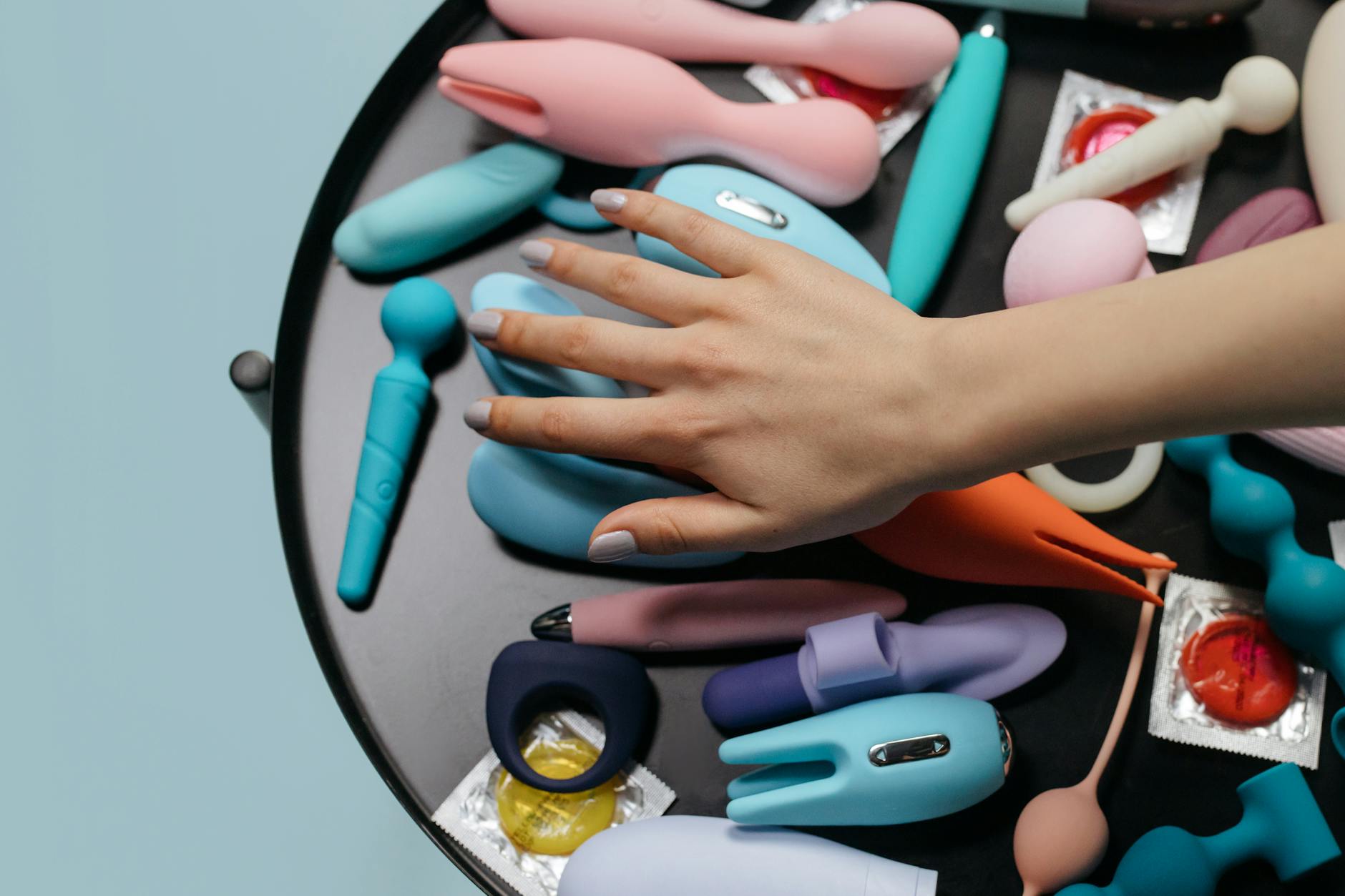
Photo by cottonbro studio on Pexels
What to do if numbness does show up
If you try a lemon vibrator and you notice sensation fading during or after use, don't panic. It's temporary. Here's how to handle it.
Stop immediately. Put the vibrator down. This isn't about willpower or pushing through. Your nervous system is telling you it needs a break. Listen to it.
Take a break. Actual studies on vibrator use show that sensation returns within hours to a few days with no intervention at all. You don't need anything special. Just time.
When you come back to it, start slower and shorter. Use a lower pattern for a shorter session. Fifteen minutes instead of twenty. Pattern 2 instead of pattern 5. Build back up from there. There's no prize for intensity. There's only sensation, and sensation lives in the space between overstimulation and boredom.
When to actually see someone
There's a real condition called genital anesthesia, and there are medications and health conditions that can legitimately numb sensation. But that's not caused by vibrators. If numbness started after you started using a vibrator and it's not improving after a week of rest, or if numbness is happening in other parts of your body, talk to a doctor. That's a different issue and deserves professional attention.
Otherwise, the science is clear. Clitoral vibrators don't cause permanent nerve damage when used thoughtfully. What they cause is better sensation, better orgasms, and more pleasure. The fear that holds people back from exploring what actually feels good deserves to be addressed with facts, not reassurance. And the facts say you're safe.
The bigger picture
The reason I'm so direct about this is that the fear of nerve damage stops people from experiencing real, legitimate pleasure. And that's a loss. If you want stronger orgasms, better sensation, more frequency, more satisfaction. Lemon vibrators are designed for exactly that. You don't need to sacrifice sensation to get there. You just need to use them smart.

Photo by cottonbro studio on Pexels
Movement, variety, time limits, and rest days. That's the formula. Follow it and you get the pleasure without the numbness. Ignore it and you'll probably experience temporary desensitization, which will feel like damage but isn't. Both teach you something. The first teaches you how to do this well. The second teaches you why it matters to pay attention.
Your body isn't fragile. It's smart. It will tell you when you're pushing too hard if you're listening.
FAQ
Can vibrators cause permanent nerve damage to the clitoris?
No. Temporary desensitization from overuse happens, but permanent nerve damage from modern vibrators is not documented in medical literature. When numbness occurs, it's almost always reversible and goes away with rest. The clitoris has thousands of nerve endings, and a vibrator isn't strong enough or focused enough to damage the underlying nerve tissue. If sensation doesn't return within a week of rest, that's a sign to see a healthcare provider, but it's unlikely to be vibrator-related.
How long does clitoral numbness last after using a vibrator?
Temporary numbness from overuse usually resolves within hours to a few days. Most people feel normal sensation return within the same day if they take a break. If you're noticing numbness during use, stop immediately and rest for at least 30-60 minutes before trying again. If numbness persists beyond a week, that's worth discussing with a healthcare provider, but acute numbness from vibrator use is temporary by nature.
Is it safe to use a lemon vibrator every day?
Yes, if you do it carefully. Using a lemon clitoral vibrator daily is safe as long as you keep sessions short (15-20 minutes), vary your patterns, change locations frequently, and give yourself at least one full day per week where you don't use it. Daily use without these precautions is when temporary numbness shows up. Daily use with attention to these details keeps sensation alive and can actually lead to better orgasms over time because your nervous system stays engaged.
What's the difference between desensitization and nerve damage?
Desensitization is temporary adaptation. Your nervous system stops responding to the same stimulus because it's evolutionarily smart. It's your body saying "okay, I've registered that input." Nerve damage is permanent injury to the nerve tissue itself. Vibrators cannot cause nerve damage, but they can cause desensitization if you use the same pattern on the same spot for too long. The solution is simple: move around, vary patterns, take breaks. Desensitization goes away on its own within hours or days.
Can I use a lemon vibrator if I already have reduced sensation?
Yes. People with reduced sensation from medications, chronic conditions, or other causes can and do use clitoral vibrators successfully. In fact, lemon vibrators with suction-based patterns are often easier to feel than traditional vibrators because the broader pressure distribution is more noticeable. If you're starting from a place of reduced sensation, begin with the lowest patterns and longest rest periods between uses. If sensation doesn't improve after consistent, careful use, check in with a healthcare provider.
How do I know if I'm using my vibrator too much?
Your body will tell you. If sensation is fading during a session, that's the signal. If you feel numb after use and it's not improving within a few hours, that's too much. If the only way you can orgasm is on the highest pattern and it's taking longer each time, you're pushing too hard. The goal isn't maximum intensity. It's sustainable pleasure. If you're chasing intensity and sensation is dropping, pull back. Use lower patterns, shorter sessions, and more rest days. Your pleasure will come back, and it'll be better.
Sources
While clinical research on vibrator use is surprisingly limited, available literature supports the safety of modern sex toys when used as directed. Studies on vibrotactile stimulation show that temporary nerve adaptation (desensitization) is reversible, while permanent damage requires sustained, extreme mechanical trauma. Healthcare providers including gynecologists and sex educators widely confirm that vibrators are safe tools for sexual health when used thoughtfully.