
The conversation nobody wants to have (but everyone needs to)
Let's be real: when one partner brings up toys and the other goes quiet, it usually means something. Maybe discomfort. Maybe fear of not being enough. Maybe just never having thought about it before. None of these are shameful, but they're also not problems that solve themselves.
Mismatched expectations around clitoral vibrators like the Lem aren't failures of the relationship. They're a signal that you need a different conversation than the one you've been having.
Why partners get stuck in this pattern
One of you wanted to explore lemon sexual toys. The other didn't enthusiastically say yes. So it's been sitting there. Unresolved. Growing bigger in both your heads than it probably needs to be.
Here's what usually happens underneath that silence.
The partner who wants to use toys often feels: they're not enough, or that they're asking for something weird, or that they should just suppress the desire to keep the peace. Sometimes all three. The resentment builds quietly.
The partner who's hesitant often feels: worried they'll be bad at it, concerned that toys mean their partner isn't attracted to them anymore, or just uncomfortable with something unfamiliar. Again, sometimes all three at once.
Neither of these is actually true. Both are totally normal. And both can be addressed with information and honest conversation.
The conversation structure that actually works
Forget bringing it up in bed. Don't ambush with a toy. Don't frame it as "we need to talk about our sex life" in a way that triggers defensiveness.
Instead, try this approach:
1. Time it right. Pick a moment when you're both calm, clothed, and not about to have sex. A coffee date, a car ride, literally anywhere neutral works better than the bedroom.
2. Lead with curiosity, not pressure. "I've been thinking about trying clitoral vibrators, and I'm curious what you think about that" is different from "we should definitely use toys." One opens a conversation. The other starts an argument.
3. Name what's actually true. "I love having sex with you and I'm also interested in exploring this" is both things at once. You don't have to choose between loyalty and curiosity.
4. Ask what they're actually worried about. Don't assume. Often the real concern isn't what you think it is. They might worry the toy feels clinical, or that they're supposed to know how to use it, or that something is wrong with your sex life. Ask.
5. Listen without defending. If they say "I'm worried you won't want me anymore," that's worth hearing fully before you rush to reassure. People know when reassurance is genuine and when it's just trying to make them stop talking.
What works if your partner is nervous
Most hesitation isn't about morality or jealousy. It's about the unknown. You can address that.
Start with information. Show them what a Lem actually is. It's not intimidating. It's a small clitoral vibrator. Explain that most clitoral vibrators, including lemon vibrators, enhance what you already do together. They don't replace anything. They add. That distinction matters.
Let them hold it first, clothed, with no pressure to use it. People get less anxious when they remove the mystery. It's just a device. It has a button. It makes a gentle suction sensation. None of that is scary once you've touched it.
Use it alone first. If your partner is genuinely uncomfortable, you don't need their permission or participation to explore lemon adult toys by yourself. This isn't about him or her. It's about your own pleasure, which you're allowed to pursue independently. Sometimes when partners see you enjoying something without pressure, they become curious instead of resistant.
Explain what suction does. This is the actual game changer. Unlike traditional vibrators, lemon clitoral vibrators use a gentle suction pattern. It mimics oral sex. This feels radically different and often more effective than regular vibration. If your partner understands this is actually a technique, not a threat, the resistance often softens.
The other direction: when you're the hesitant one
Maybe you're reading this because your partner wants to use toys and you're not enthusiastic.
First: your reluctance is valid. You don't owe enthusiasm for something that feels foreign.
Second: spend some time separate from your partner figuring out what the actual barrier is. Is it shame around pleasure? Fear that toys mean something is broken? Sensory discomfort? Worry that you should somehow want the exact same things your partner wants? Those are four completely different problems with four completely different solutions.
If it's shame, that's about your own relationship with pleasure. Worth examining, possibly with a therapist.
If it's fear of inadequacy, that's worth a direct conversation. "I worry that wanting this means you're not attracted to me anymore." Let your partner actually respond to that specific fear.
If it's sensory discomfort (the vibration feels too intense, the suction sensation feels weird), that's totally manageable. You can use lemon vibrators at low settings. You can use them briefly. You can stop. Comfort is the whole point.
If it's generalized pressure to want what they want, remember that mismatched desires are normal. You can both be right. They can be genuinely interested in toys. You can genuinely prefer sex without them. Both true. No resentment required.
When expectations clash mid-action
Sometimes the conversation went fine. You agreed to try. And then in the moment, one of you freaked.
Stop. Check in. "Is this still feeling okay?" is not a mood killer. It's a pause. A chance to adjust.
Maybe the intensity is too high. Maybe you're in your head instead of present. Maybe something about the rhythm isn't working. These are fixable problems, not signs you made a mistake.
If you need to stop entirely, that's also fine. You don't have to complete the act just because you started. This is actually the best way to build trust that you're both allowed to change your minds.
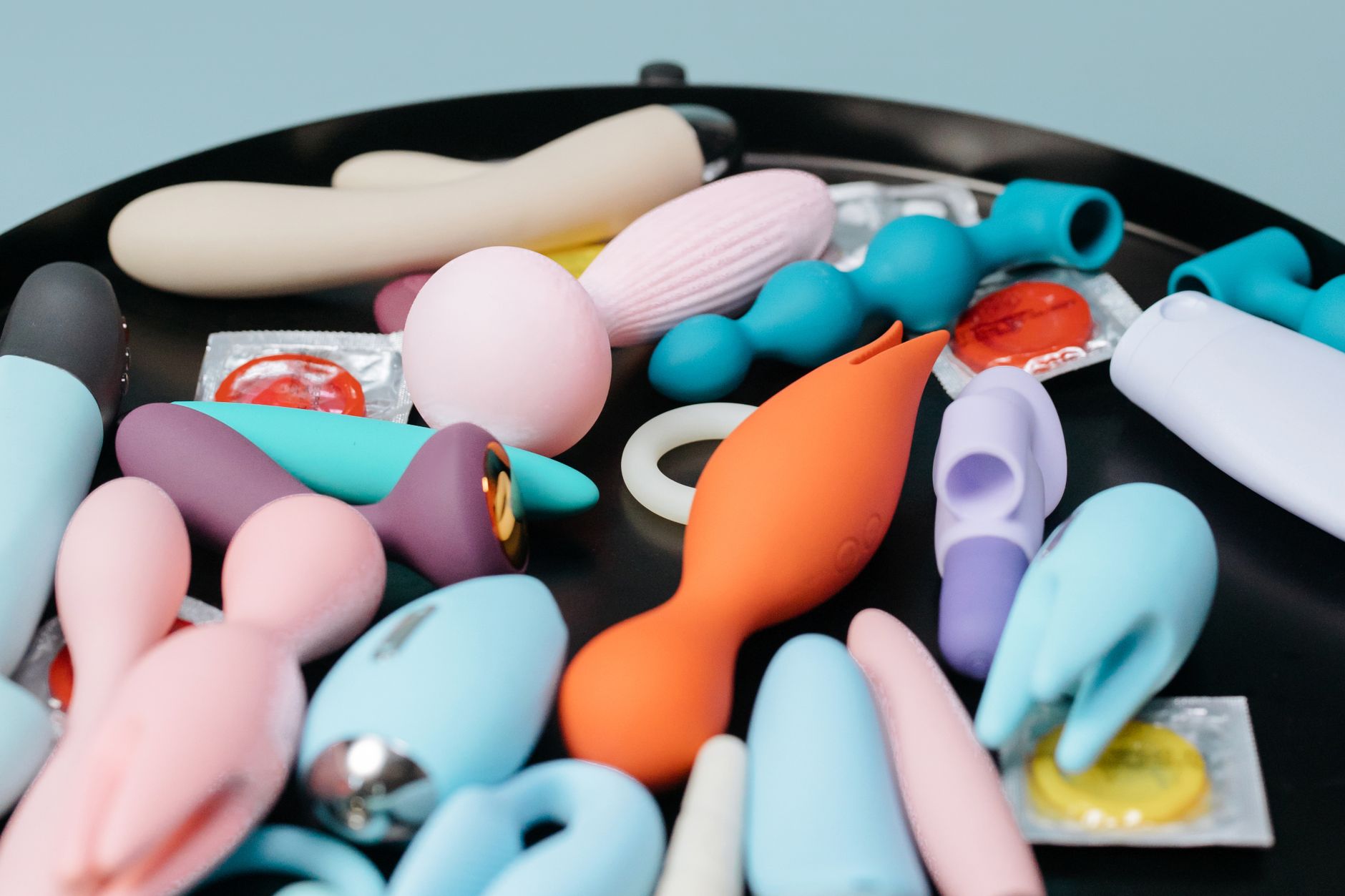
Photo by cottonbro studio on Pexels
How frequency disagreements actually get resolved
One of you wants to use a Lem regularly. The other thinks once a month feels like a lot. This is one of the hardest mismatches to navigate because it touches desire itself.
Here's what doesn't work: trying to want sex as often as your partner, or waiting resentfully for your partner to want it more. Both build disconnection.
What does work: separating the two desires. Your partner's desire to use toys isn't a referendum on your desire for them. You can support their pleasure without matching their frequency. This is where independent use comes in. They can use lemon sexual toys when they want. You participate when you want. Both happen. No negotiation required for the solo part.
For partnered use, the compromise is usually about finding a frequency that feels genuinely sustainable for both of you, not like a negotiation where someone loses. Maybe that's twice a month. Maybe it's "whenever one of us initiates and the other is interested." The point is you're naming the reality instead of resenting it.
The role of education in closing the gap
A surprising amount of mismatched expectations comes down to not actually knowing what you're working with.
If one of you has never used a lemon clitoral vibrator before, reading about how they work, watching educational videos, or even just talking to a sex-positive friend can shift the entire frame from "this is intimidating" to "oh, I get it now."
The more demystified something is, the less scary it becomes. Clitoral vibrators work by stimulating specific nerve endings. Suction toys mimic a specific sensation. These are techniques. Not threats. Information really does reduce anxiety.
When mismatched expectations mean something deeper
Sometimes the toy conversation is actually about something else. Disconnection. Infidelity fears. Different values around pleasure. If you find yourselves unable to have this specific conversation without it becoming about something bigger, that's worth a couples therapist.
A good therapist can help you understand what the toy conversation is really about. Often it's not about the toy at all.
The goal isn't agreement. It's understanding.
You don't need to both want lemon vibrators to have a healthy sex life. You do need to both feel heard about what you actually want and don't want, and respected in those boundaries.
One of you can be enthusiastic about clitoral vibrators while the other is indifferent. That's not a failure. That's a couple navigating real differences with honesty instead of resentment. That's actually the part most couples get wrong.
Start there. The rest usually follows.
People also ask
Should I use a lemon vibrator if my partner doesn't want me to?
Yes. Your pleasure isn't contingent on your partner's approval. What matters is being honest about it. "I'm going to explore this for myself" is different from sneaking. One is autonomous and transparent. The other builds resentment. You can use clitoral vibrators independently and still be in a committed, trusting relationship. Many people do.
What if my partner thinks wanting toys means I'm not attracted to them anymore?
This is a fear worth addressing directly, not side-stepping. Say: "I'm attracted to you. I'm also interested in different sensations. Both are true." Then show them. Use the toy with them. Let them see that you're still present, still interested in them, just with an added element. Fear usually shrinks when exposed to the actual reality instead of the imagined catastrophe.
How do I bring up using lemon sexual toys without making my partner defensive?
Frame it as curiosity about yourself, not criticism of them. "I'm interested in trying this" lands differently than "we need to try this." Pick a calm moment outside the bedroom. Make it clear this isn't about something being wrong with your current sex life. Lead with what you want, not what's missing. Ask genuine questions about their hesitation instead of trying to convince them.
Can using toys together actually improve our sex life if we're disconnected?
Not if disconnection is the real problem. Toys can enhance an already-good sex life, but they can't fix emotional distance. If you're disconnected, the issue is usually somewhere else: unresolved conflict, lack of emotional intimacy, resentment, communication breakdown. Address that first. Then consider whether toys might add to what you're already building. A Lem clitoral vibrator is great, but it's not a couples therapist.
What if we tried and it didn't feel good?
Then you stop. You don't have to keep using something that isn't working. Sometimes it's a timing thing. Sometimes it's intensity. Sometimes you just don't like it, and that's completely valid information. The goal isn't to force yourself to enjoy lemon vibrators. It's to stay open to exploring and honest about what actually works for you.
Is it normal for partners to have different levels of interest in toys?
Completely normal. Most couples have some mismatch. What matters is how you navigate it. You don't need identical desires to have a strong sex life. You need respect, honesty, and a willingness to understand what your partner actually wants instead of projecting what you think they should want. That's the whole conversation.
What actually matters
Mismatched expectations aren't a relationship problem. Avoiding the conversation about them is.
Whether you're exploring how to use lemon vibrators when your partner wants more frequency or navigating something else entirely, the solution is the same: honest conversation, genuine curiosity about what your partner actually thinks, and willingness to sit with discomfort instead of rushing past it.
Your partner's pleasure matters. Your pleasure matters. You don't have to want the same things. You just have to want each other to feel good.
Start there. Everything else gets easier.