Here's what nobody tells you about sudden dryness
You've had years of normal lubrication. Sex felt easy. Your body cooperated. Then one month, things changed. It's drier than it used to be, and now every touch feels a little rough, a little off. Your first thought is probably menopause. But if you're not there yet, or if you're confused because you thought you were, this guide is for you.
Sudden vaginal dryness isn't always a hormonal milestone. It's often a sign that something else is shifting. Stress, medication, relationship tension, or simply getting older without hormonal decline. All of these matter. And they all change how lemon vibrators feel and work.
What actually causes dryness to show up out of nowhere
Let's start with the non-menopause reasons, because they're way more common than most people realize.
Antidepressants and anxiety meds. SSRIs are notorious for this. They can tank arousal and reduce natural lubrication even if your hormones are completely stable. Same with some blood pressure meds, antihistamines, and even hormonal birth control (yes, again).
Stress and anxiety. When you're running on cortisol, your body doesn't prioritize sexual response. Blood doesn't flow to the genitals as readily. Lubrication drops. This is particularly true if you're stressed about the dryness itself, which creates a feedback loop that's genuinely frustrating.
Relationship disconnection. I see this constantly in couples therapy. When emotional intimacy erodes, physical arousal follows. You can have normal hormones and still wake up one day thinking your body has betrayed you, when really what's changed is the relationship. This is fixable, but you have to name it first.
Dehydration and poor diet. Sounds simple, but it matters. Your vaginal tissue needs hydration from the inside out. If you're not drinking enough water or you've cut fat from your diet radically, lubrication suffers.
Tobacco, alcohol, and certain supplements. Smoking particularly constricts blood flow. Too much alcohol dehydrates. Some herbal supplements (especially if you're taking high doses) can dry you out.
The key difference: if it's one of these things, fixing the cause often fixes the dryness. But while you're waiting for that, you need tools that work with your body right now, not against it.
Why lemon vibrators are actually the right move when you're dry
Here's the thing about traditional vibrators when you're experiencing dryness: they often make it worse. Buzz-based vibration can feel abrasive on thinner, drier tissue. It's friction without glide. It stings.
Lemon clitoral vibrators work differently. They use suction and pulse patterns instead of straight vibration. Suction pulls tissue gently upward, which increases blood flow and arousal response without relying on natural lubrication to feel good. You're not grinding; you're coaxing.
This matters because suction-based toys like the Lem work well for dryness even without lube. Not that you should skip lube (you shouldn't), but the mechanics are friendlier to tissue that's already stressed. You get sensation without irritation.

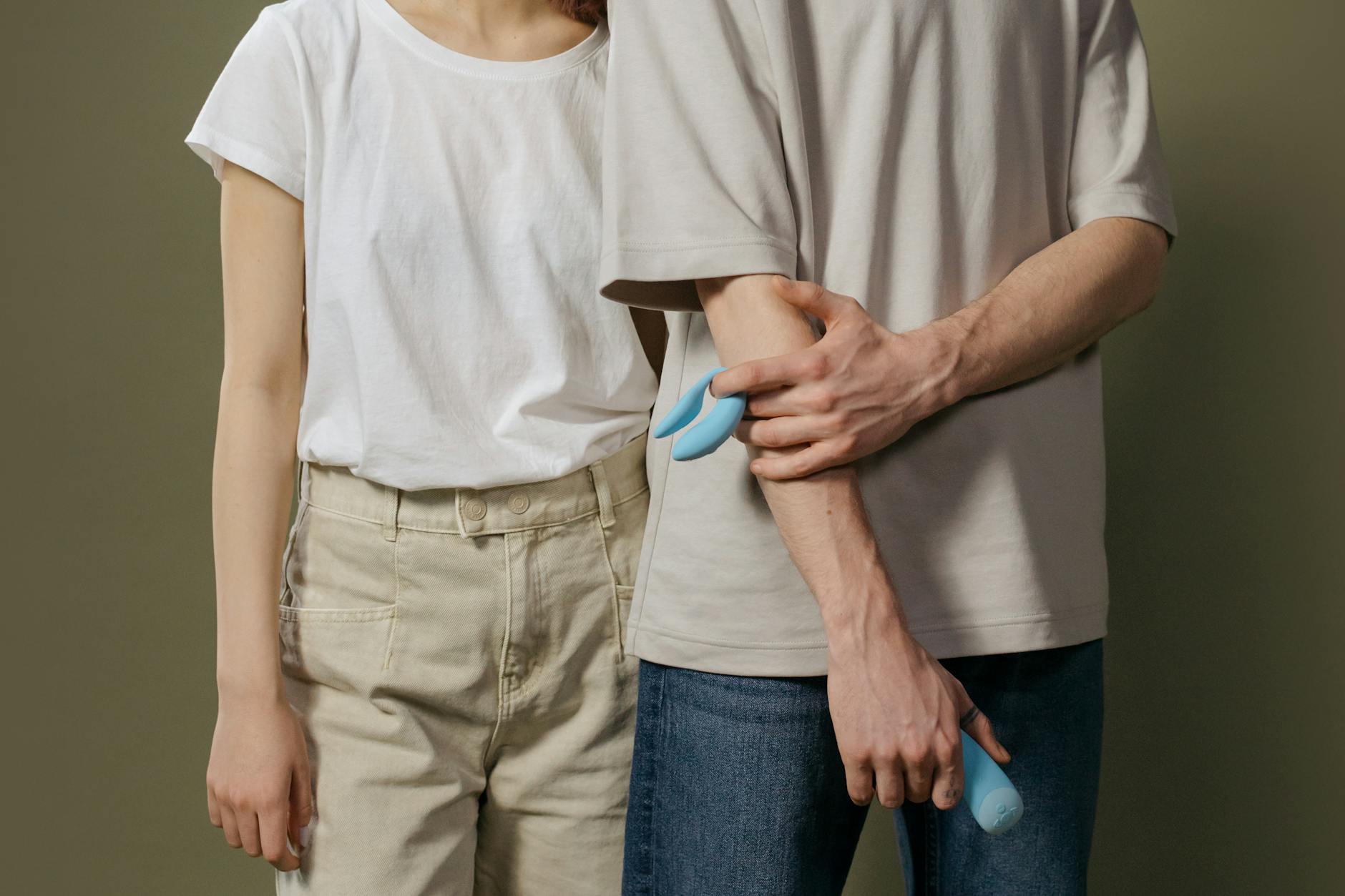
Photo by cottonbro studio on Pexels
The lube protocol that actually works
Let's be clear: water-based lube is non-negotiable. Not because you're broken, but because dry tissue is sensitive tissue, and you need a buffer.
But here's what most guides get wrong. You don't just apply lube once at the beginning. With dryness, you reapply every few minutes. Seriously. Have it right there. Use a generous amount. If it feels wet and slick, that's the baseline.
Water-based lubes dry out faster, especially when you're already dealing with low natural lubrication. So pick one designed for sensitive skin (no glycerin, no fragrance, no nonoxynol-9). Brands like Sliquid Organics or Yes work well. Avoid silicone-based lubes here because they can trap bacteria on already-compromised tissue.
Also: warming the lube slightly in your hands before applying it helps. Cold lube on dry tissue feels jarring. Warm lube feels like the body is cooperating.
Pacing and warm-up when you're experiencing dryness
When you're dry, your body needs more time to build arousal. This isn't a flaw. It's information. Honor it.
I recommend a 20 to 30 minute warm-up minimum. Start with touch that has nothing to do with the genitals. Hands, lips, breath on the neck. Let arousal build slowly. Your blood flow needs time to redirect toward the pelvic floor.
When you do move to the clitoral area with your Lem vibrator, start on the lowest setting (usually pattern 1 or 2). Let yourself acclimate to the sensation. Many people find that their first orgasm feels smaller or takes longer when they're dry, but the second one builds faster. Your nervous system is waking up. Give it grace.
Also: take breaks. A 20 second pause between every 3-4 minutes of stimulation lets your tissue recover and blood flow reset. You're not building to a sprint. You're in a longer, slower rhythm.
What to do if dryness is tied to your relationship
This is where I need to be really honest with you. If the dryness showed up around the same time emotional intimacy dropped, no vibrator is going to fix the root problem. The Lem vibrator can help you feel pleasure again, which matters. But it won't rebuild connection.
Have a conversation with your partner. Not during sex, not when you're frustrated. A real talk about what's shifted. Often it's not infidelity or resentment. It's just disconnection. Work hours changed. Kids arrived. Someone's always on their phone. And that distance, over months or years, translates into physical dryness.
You can address both things simultaneously. Use the Lem to reclaim pleasure for yourself (which honestly feels amazing and grounding). And work on the relationship conversation separately. Sometimes one helps the other. Sometimes they move on parallel tracks.
When to check in with a doctor
If dryness arrived suddenly and none of the above reasons fit, get a pelvic exam. Not because something is wrong, but because sometimes it is. Lichen sclerosus, lichen planus, or other vulval skin conditions can show up as sudden dryness and discomfort. A gynecologist can rule those out in minutes.
Also: if you're on a new medication, call your prescriber. Don't stop taking it, but ask if dryness is a known side effect. Sometimes switching to a different class of med helps.
FAQ: dryness and lemon vibrators
Can I use a lemon vibrator if I'm on antidepressants?
Absolutely. In fact, many people find that using a vibrator while on SSRIs is one of the ways they stay connected to pleasure during a time when the medication has made natural arousal harder. The suction action of a Lem vibrator often works better than traditional vibrators precisely because it doesn't rely on your body's natural response. Start slow, use generous lube, and give yourself permission for it to take longer than before.
Will using a lemon vibrator on dry tissue hurt it?
Not if you use good lube and you're gentle with yourself. In fact, regular stimulation with proper lubrication can improve tissue health over time because it encourages blood flow. What hurts is friction without lubrication. So lube first, always.
How long does it take for dryness to improve?
That depends on the cause. If it's stress or relationship disconnection, sometimes just a few weeks of rebuilding intimacy helps. If it's a medication side effect, you might need to work with your doctor to adjust dosage or switch meds. If it's dehydration or diet, you could feel improvement in days or weeks. Be patient with your body.
Can I use silicone lube with a lemon clitoral vibrator?
Technically yes, but I don't recommend it if you're dealing with dryness. Water-based lube is safer for sensitive, dry tissue because it doesn't trap bacteria or irritants. Silicone lube is also harder to wash off, which can create additional irritation when tissue is already compromised.
Should I use a lemon vibrator if I think the dryness is menopause?
Yes. Whether the dryness is early perimenopause or another cause, a lemon vibrator (or any air-suction toy) is still a great tool. The suction mechanism is gentle on any tissue that's experiencing changes. If you're in early menopause, the Lem might feel even better because it doesn't depend on natural lubrication the way traditional vibrators do.
Is vaginal dryness a sign my relationship is ending?
No. It's a sign something has shifted. Could be hormones, could be stress, could be emotional disconnection, could be a medication you just started. Don't catastrophize. Get curious instead. Talk to your partner or a therapist. Dryness is information, not a verdict.
Moving forward
Sudden dryness is disorienting because your body used to work one way and now it doesn't. That can feel like a betrayal. But it's usually just a signal that something needs attention. Sometimes that's medical. Sometimes it's relational. Often it's both.
While you're figuring out the root cause, tools like lemon vibrators let you stay in your pleasure. You don't have to pause your sexuality while you troubleshoot. Water-based lube, longer warm-ups, lower intensity, and patience can help you enjoy sensation again, starting today.
If you're feeling stuck or disconnected, reaching out to a relationship coach or therapist can help you sort through what's really happening. You deserve both pleasure and connection. Neither one is off the table.