The honest truth about sensation after pelvic floor surgery
Pelvic floor repair, prolapse surgery, hysterectomy, or other pelvic procedures don't steal your pleasure permanently. They do change it temporarily. The surgery irritates nerves, tightens scar tissue, weakens support structures, and rewires how stimulation feels. For weeks or months, sensation might feel muted, numb in patches, or weirdly hypersensitive. That's not permanent. That's healing.
What matters right now is knowing the difference between "normal healing" and "I need to call my surgeon." And knowing how to rebuild sensation carefully, without re-injury.
Why sensation feels different after surgery
Three things happen during pelvic floor surgery. First, the surgeon works in a densely innervated area. Even minimally invasive procedures irritate thousands of nerve endings. That inflammation numbs surrounding tissue for a few weeks. Second, scar tissue forms as part of normal healing. Until it softens and reorganizes, it can dampen sensation. Third, if the surgery involved mesh, tape, or structural support, your pelvic floor's nerve and blood supply are redistributed. Stimulation that felt crisp before might now feel diffuse or one-sided.
This is not failure. It's physiology.
Most people regain baseline sensation by 8-12 weeks post-surgery. Some take longer. Factors that slow it: infection (rare, but ask your surgeon if you're concerned), aggressive physical therapy too early, and returning to sex before tissue is ready.
When it's actually safe to use a vibrator after pelvic floor surgery
Here's the thing almost no surgeon volunteers: they'll tell you "no penetration for six weeks" or "wait until you're cleared at your follow-up." What they usually mean is "don't have partnered sex involving the surgical site." External clitoral stimulation is different.
I recommend waiting for your surgeon's clearance before using any vibrator, usually around 4-6 weeks depending on procedure type. Then start cautiously.
If your surgery was laparoscopic (tiny incisions, no internal reconstruction), you can typically start gentle external stimulation closer to 4 weeks. If it was open surgery, prolapse repair, or mesh insertion, aim for 6-8 weeks. Ask your surgeon specifically: "Is external clitoral vibration okay at [your timeline]?" Most will say yes once initial healing is underway.
The goal is not orgasm yet. The goal is nerve reawakening.
Why lemon clitoral vibrators work particularly well in recovery
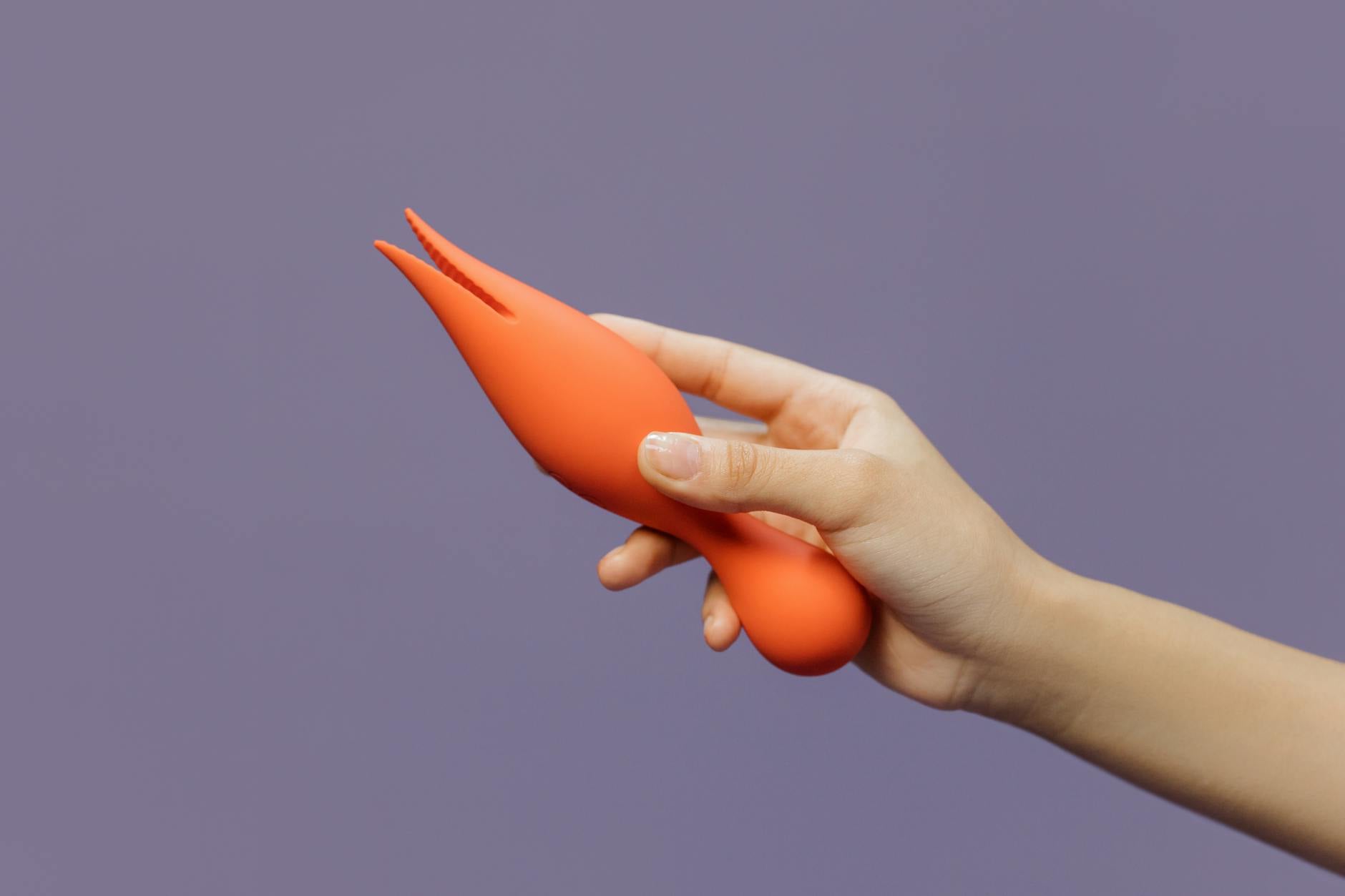
Lemon vibrators, especially the suction-based design, have three advantages during pelvic floor healing.
Advantage 1: No direct pressure. The suction mechanism doesn't require you to press the toy firmly against tissue. Firm pressure can irritate scar tissue or trigger protective muscle tension (your pelvic floor will clench if it feels threatened). Suction stimulates nerves without aggressive contact.
Advantage 2: Graduated intensity. The lem vibrator offers multiple patterns and speeds. You can start at pattern 1, which is almost imperceptibly gentle. Other toys start much higher. In recovery, starting at the absolute lowest intensity matters.
Advantage 3: Consistent rhythm. Your nervous system is recalibrating after surgery. Erratic stimulation (your hand, a partner) can confuse healing nerves. A steady, predictable rhythm from a lemon clitoral vibrator helps your nervous system rebuild a normal pleasure response.
The recovery pleasure protocol
Honestly though, this protocol works. Use it as a baseline.
Weeks 1-3 post-surgery: No vibrator. Let initial inflammation settle. Focus on gentle pelvic floor stretches, walks, and breathing. Your nervous system is in active repair mode.
Weeks 4-6: Start external stimulation if cleared. Use the lem vibrator on pattern 1 for 5 minutes maximum. Don't chase orgasm. You're training your nervous system to remember what pleasure feels like. The goal is sensation awareness, not climax. You might not orgasm, and that's not failure. Stop if you feel any sharp pain, pressure, or muscle clenching.
Weeks 6-8: Gradually increase to pattern 2 and 3 if sensation feels stable. Extend sessions to 10 minutes if comfortable. You might notice sensation returning in waves. One day feels more sensitive, the next feels duller. That's normal.
Weeks 8-12: If you're progressing well, try your preferred pattern. This is when most people say "oh, sensation is coming back." Orgasms might feel different. Shallower. More localized. Less full-body. That's expected. They'll usually return to baseline eventually.
3+ months: Most people have regained baseline sensation and can resume normal pleasure practices. If sensation hasn't improved by 12 weeks, ask your surgeon or a pelvic floor physical therapist to evaluate.
Red flags that mean stop immediately
Sharp pain, burning that doesn't ease when you stop, sudden muscle tension that won't release, drainage or unusual discharge, or feeling like stitches are pulling. Any of those means stop, apply ice for 10 minutes, and contact your surgeon. Don't wait for your next appointment if something feels genuinely wrong.
Minor discomfort, slight pressure, or mild soreness that eases after the vibration stops? That's usually normal healing. But you know your body. If you're uncertain, call. That's what your surgeon is there for.
How your partner fits into recovery (if you have one)
If you're in a relationship, the hardest part of post-surgery recovery isn't the surgery itself. It's navigating mismatched timelines. You're healing. They're waiting. That creates tension.
Be direct: "I'm starting external stimulation around week 5. It's not partnered sex yet. It's me rebuilding my own sensation with a toy. I need space to do that alone first." This matters because if a partner is present, their attention becomes part of your nervous system's input. You end up performing healing instead of actually healing.
Many people find that rediscovering solo pleasure with a lemon vibrator first makes partnered intimacy easier when you're truly cleared. You remember what feels good in your own body before you integrate another person.
What changes permanently (and what doesn't)
Here's what most surgeons don't explain clearly: some sensations might be slightly different forever. If the surgery involved structural changes, the angle of stimulation might shift. If mesh was placed, you might feel sensation differently on one side versus the other. These are usually subtle adjustments your brain adapts to.
What usually doesn't change permanently: your capacity for pleasure, your ability to orgasm, or your interest in sex. Those are determined by neurological pathways that surgery doesn't sever. They might be slower to reactivate, but they reactivate.
Most people return to their pre-surgery pleasure baseline by 4-6 months. Some take longer. If you're still significantly numb or experiencing pain at 6 months, ask for a referral to a pelvic floor physical therapist. That's not normal, and it's treatable.
The one tool that changes everything
Gradual reintroduction of sensation with a controlled, low-intensity tool like a lemon clitoral vibrator actually speeds recovery. Stimulation increases blood flow, wakes up dormant nerves, and teaches your nervous system that sensation is safe again. But it has to be gentle, consistent, and self-directed.
You're not rushing back to pleasure. You're building a bridge back to your own body. That's the work. And it works.
Common questions after pelvic floor surgery
Can I use a vibrator if I had mesh inserted?
Yes, but wait for your surgeon's clearance and start lower than you think. Mesh is inert, but surrounding tissue is tender. External stimulation is fine. Aim for 6+ weeks post-surgery before starting, and use the lowest patterns first.
Will using a vibrator interfere with scar tissue healing?
No. Gentle, external stimulation actually improves healing by increasing blood flow. Aggressive internal use too early could be a problem, but that's why you're waiting. External vibration is safe.
How long until sensation feels normal again?
Most people report normalization by 8-12 weeks. Some take 4-6 months. Factors that help: physical therapy, relaxation practice, gradual reintroduction of stimulation, and partner communication if applicable. If you're still significantly numb at 6 months, ask your surgeon.
What if orgasm feels different forever?
It might. Slightly. Your nervous system reorganizes during recovery. Some people report orgasms feel more localized post-surgery, or the buildup is slower. That's often adaptive. Your body found a new normal. It's usually still pleasure, just different. If you're concerned, a pelvic floor physical therapist can assess whether there's an actual problem versus a normal shift.
Can my partner help with recovery stimulation?
Eventually, yes. But I'd recommend rediscovering sensation solo first. That way, you're not managing their needs or attention while you're healing. Once you're at 8+ weeks and sensation is rebuilding, partnered touch becomes easier to navigate.
Is it normal to have zero interest in sex right after surgery?
Completely normal. Trauma, inflammation, medications, and pain all suppress desire. Give yourself permission. Interest usually returns when your body feels safe again, which takes weeks to months. Forcing it extends recovery.
What comes next
Pelvic floor surgery is an interruption, not an ending. Your nervous system knows how to build pleasure. It just needs time, safety, and gentle reintroduction. A lemon clitoral vibrator gives you that. Start low, go slow, and trust your body's timeline.
If you're struggling with the emotional side of recovery, or if sensations aren't improving as expected, reach out. That's what we're here for. You deserve to feel good in your body again, and you will.