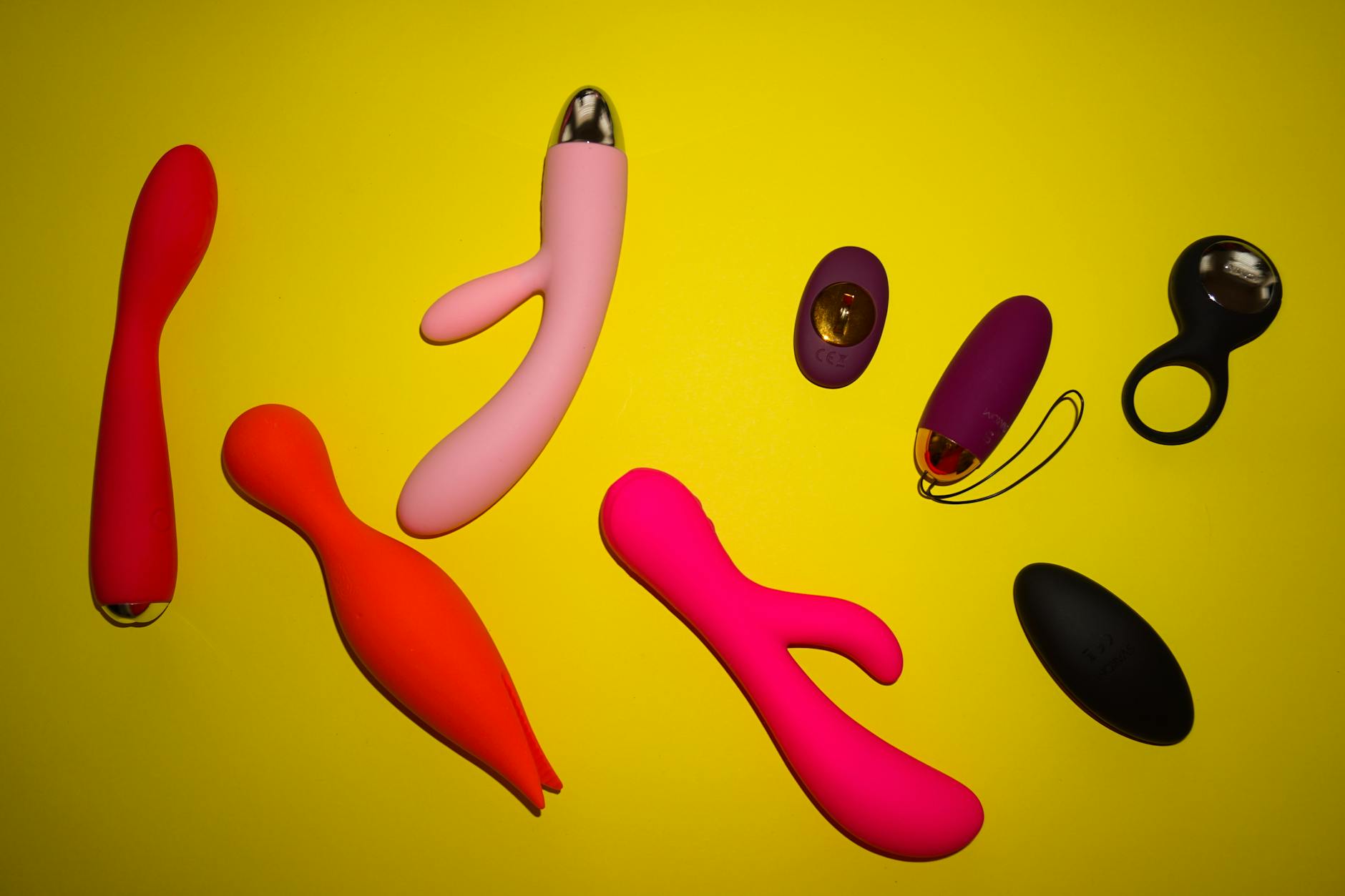
When stress becomes a third person in the relationship
Let's be real. Stress doesn't kill desire cleanly. It kills it sideways. Your partner is still there, you still love them, but somewhere between the work email at 10 p.m. and the argument about whose turn it is to handle the kids, physical intimacy becomes another task neither of you has energy for. The distance grows quietly. Then one day you realize you haven't touched each other in weeks.
This is one of the most common relationship patterns I see in therapy. And here's the part nobody talks about clearly: your body isn't broken. You're not unattracted. You're just depleted, and depletion looks a lot like desire shutdown.
The good news is that lemon vibrators, particularly the way they engage the nervous system, can actually fast-track you back to your body when stress has you checked out.
Why stress disconnects you from pleasure
When you're under chronic stress, your nervous system camps out in fight-or-flight mode. This isn't poetic. It's literal neurology. Your sympathetic nervous system (the accelerator) stays pressed, your parasympathetic nervous system (the brake) barely gets a turn. Arousal requires the parasympathetic system to be online. Sex requires you to feel safe enough to let your guard down.
Under stress, your body is too busy watching for threats to care about pleasure. You might want intimacy intellectually, but your nervous system is saying "not now, I'm protecting you."
The second layer: emotional distance from your partner stacks on top of the physical stress. You start protecting yourself preemptively. You pull back touch. They pull back in response. Suddenly you're roommates instead of lovers.
How lemon vibrators bypass the stuck-ness
Here's why lemon clitoral vibrators are particularly useful when relationship stress has you tangled: they engage your nervous system in a way that's decoupled from your relationship dynamic.
When you use a lemon vibrator alone, you're activating pleasure pathways that don't require emotional labor, vulnerability, or performance. You're literally rewiring the association between your body and feeling good. The suction mechanism on a lem vibrator stimulates the clitoris in a way that feels almost meditative rather than frantic. This is important. Frantic pleasure under stress feels like another obligation. Grounded pleasure feels like permission.
Many people find that solo pleasure with a lemon vibrator becomes a gateway back to partnered intimacy. Once you remember what your body feels like when it's engaged and responsive, wanting to share that with your partner becomes less abstract and more urgent.
The solo practice that changes everything
If relationship stress has you in avoidance mode, here's where to start:
Set a boundary around time. Not "when I have energy," which never comes. Pick 15 minutes three times a week. Put it in your calendar like a meeting. The consistency matters more than the duration.
Choose a time when you're alone. Not sneaking pleasure while your partner is in the next room. That adds shame and secrecy, which is the opposite of what you need. Full privacy, full permission.
Start with your hands first. Let yourself get a little aroused before you bring the lemon vibrator in. This isn't rushing to the finish. It's actually reconnecting with the sensation of arousal building, which stress has made you forget.
Use a water-based lubricant. Stressed bodies often have lower natural lubrication. It's not a sign something's wrong. It's just your body telling you it needs support. Lube removes that friction and the micro-pain that makes pleasure feel inaccessible.
Start at a lower intensity. The lem vibrator has multiple settings. Stressed nervous systems often need gentler entry. Build up from there.
The point: you're not chasing orgasm. You're reminding your body that feeling good is possible. Some solo sessions will be full fireworks. Most will be quieter. Both are valuable.
Bringing it back to your partner
After a few weeks of solo practice, something shifts. You start feeling your own capacity for pleasure again. Your nervous system begins to recognize "this is safe, this is good." That confidence travels into the rest of your life.
Then there's the practical side. Once you know what your body responds to with a lemon vibrator, you can actually tell your partner. Not vaguely. Specifically. "When I use this setting, I feel this." That information is gold for rebuilding intimacy because it gives your partner a literal map. They stop guessing. You stop protecting them from your needs.
Many couples find that introducing a lemon clitoral vibrator into partnered sex actually makes the emotional reconnection faster because the sexual experience itself becomes less fraught. There's less performance pressure. Less "I should want this." More "oh, this actually feels amazing."
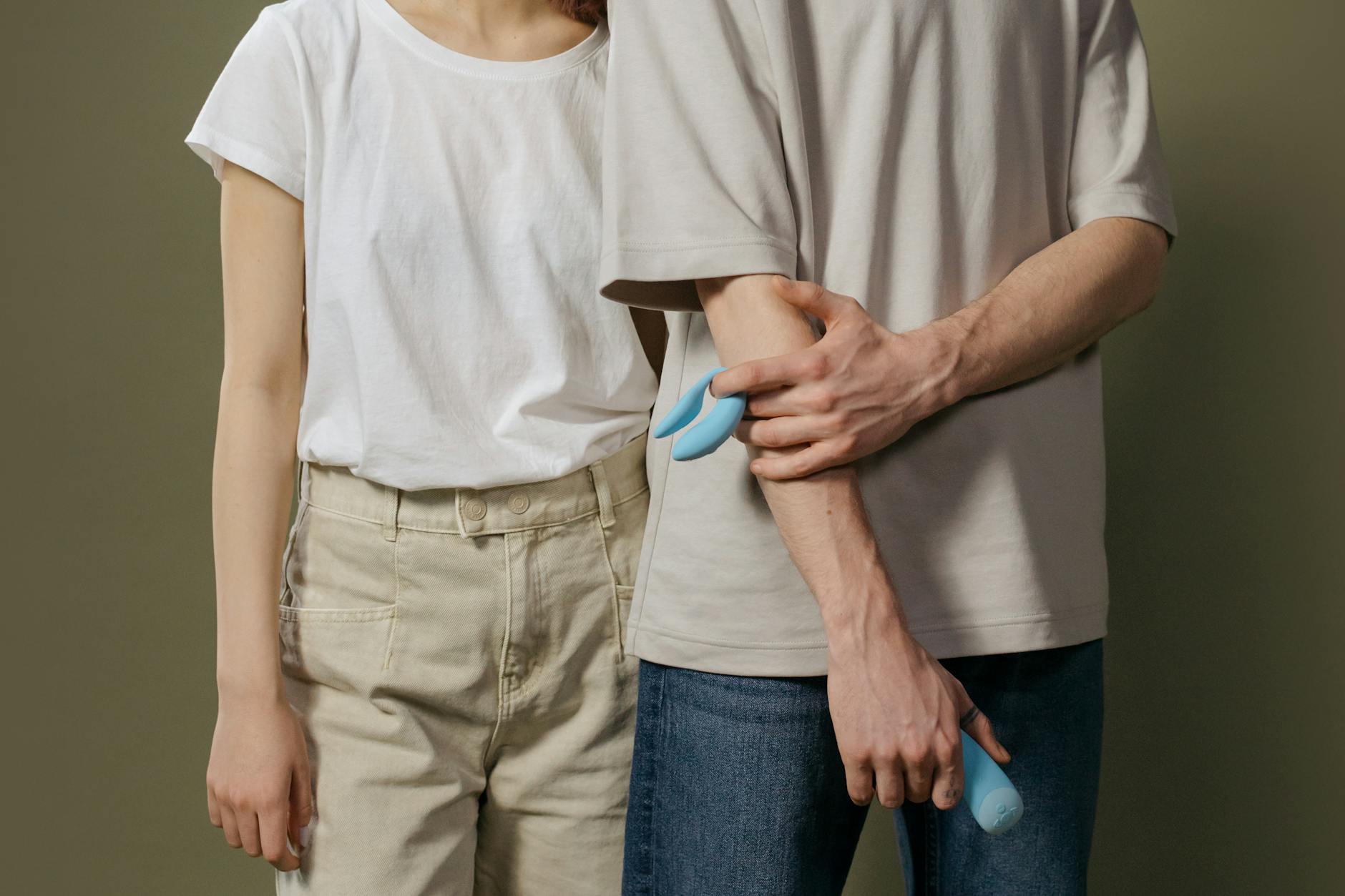
Photo by cottonbro studio on Pexels
The conversation framework that actually works
Introducing pleasure tools when relationship stress has you frozen requires a different conversation than usual. You're not saying "I want to add spice." You're saying "I want to reconnect with my own pleasure and with you."
Try this: "I've been noticing we've both been checked out, and I think some of it is stress shutting down my body's ability to feel arousal. I'm going to spend some time reconnecting with my own pleasure using a lemon vibrator. That's for me. But I'd love for this to eventually be something we explore together because I think remembering what my body feels like when it's turned on might help us remember what we feel like together."
That's not sexy pillow talk. But it's honest and it gives your partner a role that isn't "fix my desire" but "come along on this journey." Much less pressure.
When the stress won't lift
If you're using a lemon vibrator consistently and you're still feeling nothing, or if the emotional distance from your partner is calcifying rather than thawing, that's when therapy becomes the actual tool. Lemon vibrators can help you reconnect with your body. They can't fix a relationship that's fundamentally fractured. Some couples need help rebuilding emotional intimacy before sexual intimacy becomes possible again.
The read: if stress is situational (that project ends, kids go back to school, the house sells), solo pleasure practice plus time usually works. If the stress is relational (you're not sure you want to be together, resentment is deep, communication is broken), you need skilled support beyond what a vibrator can offer.
FAQ: Stress, vibrators, and rekindling intimacy
Can using a lemon vibrator alone make my partner feel rejected?
Not if you communicate about it first. The secrecy is what breeds distance. Transparency actually builds trust. You're not replacing your partner. You're preparing yourself to be more present with them.
How long does it take before solo pleasure affects my partnered intimacy?
Most people see a shift within three to four weeks of consistent practice. It's not magic. It's your nervous system slowly recognizing that pleasure is available to you again. Once that registers, your body naturally wants to share that feeling.
What if my partner wants to be involved in my solo practice?
That's a choice, but I usually recommend at least the first few weeks being fully private. Solo pleasure under stress often requires zero performance energy. Partner presence, even loving presence, adds a layer of "am I doing this right for them." You need a few weeks of purely selfish pleasure first.
Can a lemon vibrator help if I'm experiencing touched-out from kids or work stress?
Yes, actually. Touched-out is about loss of autonomy over your own body. A lemon vibrator puts the choice entirely back in your hands. You control the intensity, the duration, the pace. That agency alone often shifts the touched-out feeling.
Is it normal that I feel guilty using a lemon clitoral vibrator when my relationship is stressed?
Completely normal and completely worth examining. That guilt often comes from a belief that you should prioritize your partner's needs over your own, especially when things are fragile. But here's the truth: reconnecting with your own pleasure isn't selfish. It's the foundation for being able to genuinely connect with your partner again. You can't give what you don't have.
Should my partner and I use a lemon vibrator together right away or should I practice alone first?
Practice alone first. Solo experience teaches you exactly what you respond to, which makes partnered use feel less awkward and more confident. You're not figuring out your body in front of them. You're showing them something you've already discovered.
The path forward
Relationship stress will come and go throughout your life. So will the desire to avoid physical intimacy when things feel heavy. The question isn't how to prevent that. It's how to move through it quickly and return to connection.
What I've seen work is this: honor that your body's disconnection makes sense given your circumstances. Don't shame yourself for not wanting sex. Give yourself permission to rebuild pleasure in private first. Use tools like the lemon vibrator to remind yourself that your body is still capable of joy. Share what you learn with your partner. Let that be the bridge back.
Intimacy doesn't always need to be fixed. Sometimes it just needs time, honesty, and the willingness to meet each other halfway when stress has you both exhausted.
If you want to talk through how this might look in your specific relationship, reach out. That's what I'm here for.