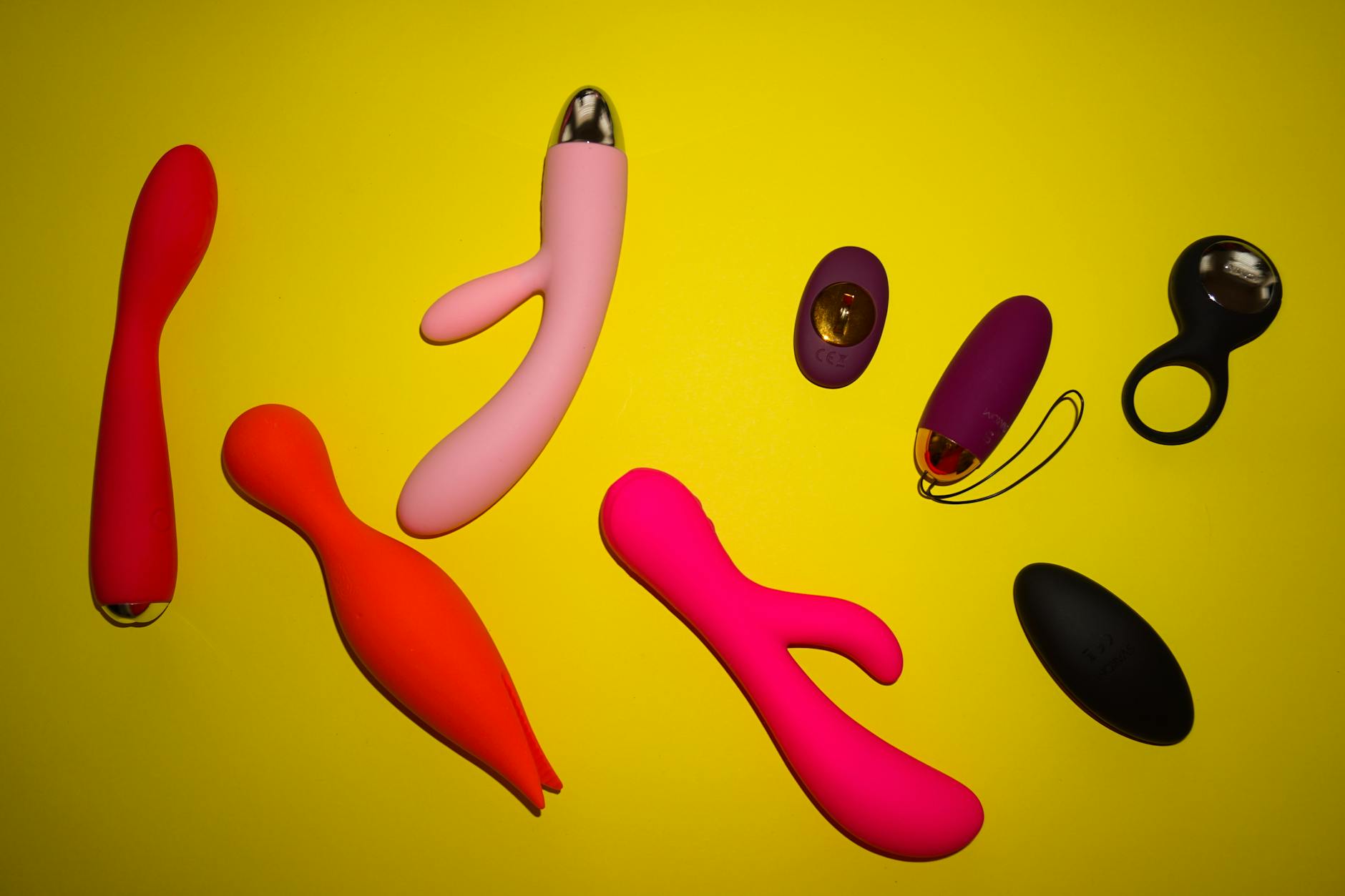
Let's talk about what you're actually feeling (or not)
Clitoral numbness is real. It's also wildly common, wildly misunderstood, and wildly fixable. The worst part isn't the numbness itself. It's the assumption that something broke permanently.
Here's what I know after years of working with people through this: your nerve endings didn't die. They're just not getting the signal they need to wake up.
Why clitoral numbness happens in the first place
There are more reasons for clitoral numbness than most people realize. Some are temporary. Some stick around if you don't address them. None of them mean your body is defective.
Repetitive stimulation desensitization. If you've been using the same technique, same rhythm, same pressure for years, your nerve endings adapt. They stop responding to that signal. Your brain literally rewires to filter it out. This is actually a feature of the nervous system. It keeps you from being overwhelmed by constant input. The trade-off: it makes pleasure harder to access.
Tight pelvic floor tension. When your pelvic floor muscles stay contracted, blood flow to the clitoris decreases. Less blood flow means less nerve sensitivity. Most people don't realize their pelvic floor is tight until someone points it out. It's often tied to stress, anxiety, or years of holding tension in your body.
Medication side effects. Antidepressants, blood pressure meds, and antihistamines can all reduce genital sensation. This isn't rare. It's one of the most common reasons people stop feeling pleasure during arousal.
Hormonal shifts. Lower estrogen directly affects clitoral tissue thickness and nerve responsiveness. This is why numbness often shows up during perimenopause, postpartum recovery, or when you're on certain birth control methods.
Anxiety or dissociation. When your nervous system is in fight-or-flight mode, sensation literally dims. Your body prioritizes survival signals over pleasure signals. If you've been through trauma or prolonged stress, your clitoris might feel like it's behind a pane of frosted glass.
What lemon vibrators actually do for desensitized tissue
Lemon clitoral vibrators work differently than traditional vibrators because they use suction and air-pulse stimulation instead of direct mechanical vibration. This matters enormously when sensation is muted.
When your clitoris is numb, direct vibration can feel like nothing. It's the same signal your nerve endings have learned to ignore. A lemon sucker creates a different sensation entirely. It's a gentle pulling, a rhythmic variation, something novel enough that your nervous system pays attention.
The suction mechanism increases blood flow to the tissue. More blood flow means more oxygen, more metabolic activity, more nerve responsiveness. You're not forcing sensation back. You're creating the physiological conditions for sensation to return on its own.
Lemon vibrators also give you precision. You can place the opening exactly where you need it. You can start on lower settings and work up without the overstimulation that makes your nervous system retreat further. You're retraining your body, not assaulting it.
The actual protocol that works
Honestly though, just buying a lemon clitoral vibrator isn't the move. The device is half the work. The other half is how you use it.
Start with lower pelvic floor tension first. Before you touch yourself, spend a few minutes breathing. Inhale for four counts, exhale for six. On each exhale, actively relax your pelvic floor. You can do this lying down, sitting, anywhere. If you've never felt the difference between a tense and relaxed pelvic floor, try this: squeeze your pelvic floor muscles for five seconds, then completely let them go. That release is what you're aiming for during arousal.
Use the lemon vibrator on the lowest settings. Start at power level 1 or 2. The point isn't intensity. It's novelty and blood flow. You're trying to get your nerve endings to say, "Oh, that's different. I'm listening now." This takes patience. Most people want to jump to level 5 or 6. Don't. Your sensitivity will build faster if you stay low.
Change location every 30 seconds. Move the suction cup up, down, slightly left, slightly right. This prevents your nervous system from tuning out again. Variety keeps your brain engaged. Once you feel a response building, you can stay in that spot longer, but initially, movement is your friend.
Build in cooldown periods. After 5 minutes of stimulation, take a 2-minute break. Let your tissue rest. This isn't failure. It's how you retrain sensitivity. Your body needs recovery time to rebuild responsiveness.
Practice solo first. The stakes are lower when you're alone. There's no performance pressure, no partner waiting for a particular response. You get to explore what actually feels good without the anxiety that often amplifies numbness.
The partner conversation if you have one
If you're working with a partner through this, here's what they need to understand: your numbness isn't a reflection of attraction or desire. It's a nervous system thing. It's fixable. But it requires patience and honesty.
Tell your partner exactly what you're trying to do. You're retraining your body's responsiveness. You're using a lemon clitoral vibrator because suction stimulation is different from what you've been doing for years. You need them to not jump in with their own stimulation while you're doing this work. You need them to understand that it might take weeks before you feel noticeably more sensation.
One thing I tell couples: sensation returning often means less immediate responsiveness, not more. You might need 20 minutes of foreplay instead of 10. That's not regression. That's your nervous system being honest about what it needs.
When numbness signals something else
If you've been using a lemon vibrator consistently for three weeks and feel absolutely nothing, or if numbness appeared suddenly alongside other symptoms (pain, discharge, loss of libido that feels different from usual), check in with your doctor. Sometimes numbness flags something else: nerve damage from trauma, an infection, a medication adjustment that's needed.
If anxiety or dissociation is the root, a therapist trained in somatic work or EMDR can help more than any vibrator. Pleasure is partly physical. It's also partly neurological and emotional. If your mind is checked out, your body will follow.
For most people though, clitoral numbness responds beautifully to lemon vibrators used thoughtfully. Your nerve endings aren't gone. They're just waiting for a signal worth paying attention to.
FAQ: Clitoral numbness and lemon vibrators
How long does it take to restore clitoral sensation?
Most people notice a shift within two to four weeks of consistent, low-pressure stimulation with a lemon clitoral vibrator. Some feel changes within days. Numbness that's been around for years might take longer. The timeline depends on what caused the numbness in the first place. If it's medication-related, addressing the medication itself might matter more than the vibrator. If it's from years of the same stimulation pattern, your brain needs time to recognize a new signal. Patience here is active work, not passive waiting.
Can you use lemon vibrators if you're completely numb?
Yes, and that's actually when they're most useful. Suction stimulation creates a different sensation than direct vibration, so your body notices something is happening even when you feel muted. Start on the lowest setting and stay there for at least two weeks. You're not chasing orgasm. You're rebuilding communication between your clitoris and your brain.
Is numbness permanent?
Rarely. Most clitoral numbness is reversible if you address the cause. Medication-related numbness improves when you switch medications or adjust the dose. Tension-related numbness releases when you work on pelvic floor relaxation. Pattern-related numbness responds to novelty and variety. Nerve damage from trauma is rare but possible. That requires professional assessment. Don't assume permanent. Assume fixable until proven otherwise.
Should you use lube with a lemon vibrator when you're numb?
Absolutely. Water-based lubricant helps the suction seal work better and reduces any friction-related discomfort. Numbness sometimes comes with dryness, especially if hormones are involved. Lube makes the whole experience more comfortable and often helps sensation return faster because your tissue isn't stressed or irritated.
Can numbness come back after you restore sensation?
Yes, if you return to old patterns. This is actually useful information. It means you've identified what desensitizes you. If you notice numbness creeping back, it's a signal to change something. Switch up your stimulation pattern. Take a break from vibrators for a week. Try something different. Your body is telling you it's had enough of the current input. Listen to that.
What if lemon vibrators don't help at all?
That usually means the numbness has another root. Anxiety, dissociation, medication side effects, or hormonal issues might need different interventions. A conversation with your doctor and potentially a sex therapist trained in sensate focus therapy can help you figure out what's actually going on. Sometimes clitoral numbness is the symptom, not the problem itself.
The thing nobody tells you about restoring sensation
When numbness starts lifting, it can feel overwhelming at first. Your nerve endings have been quiet for so long that suddenly getting a signal again feels intense. You might feel hypersensitive for a few days. That's normal. It's your nervous system recalibrating. It settles down.
The other thing: restoring clitoral sensation often shifts your entire experience of arousal. You might find that you want different things than you thought you wanted. You might discover preferences you couldn't feel before. That's not a side effect. That's the real benefit. You're getting your body back.
Use a lemon vibrator thoughtfully, stay patient, and trust that your clitoris is ready to feel again. It just needs the right signal.
If you want to talk through what's happening with your body or rebuild intimacy after numbness has disrupted your connection, reach out.