Let's start with what's actually happening
After 40, arousal doesn't disappear. It shifts. Your body takes longer to warm up, your clitoris needs more deliberate attention to swell, and that easy "I'm ready" feeling you might have relied on for years can feel distant. This is not dysfunction. It's biology.
Here's the thing nobody warns you about: that slower timeline is also an opportunity. When you stop fighting the pace and start working with it, arousal becomes richer, more intentional, and often more intense.
Why arousal actually slows after 40
Three biological shifts happen around midlife. Estrogen declines slightly (though not dramatically unless you're in perimenopause or menopause). Blood flow to the genitals takes longer to activate because your cardiovascular system is responding to lower baseline hormone levels. Your clitoral tissues become slightly less engorged at rest, so they need more sustained stimulation to reach full sensitivity.
The good news: none of this affects your capacity for orgasm. Your clitoris has 8,000 nerve endings. Those aren't going anywhere. What changes is the route to get there.
Cognitive arousal also shifts. At 20, external stimulation alone might spark physical arousal. At 40 and beyond, your brain needs to be engaged. You need to actually want what's happening, not just react to what's touching you. This sounds like a constraint. It's actually a superpower if you know how to use it.
How lemon vibrators fit into slower arousal
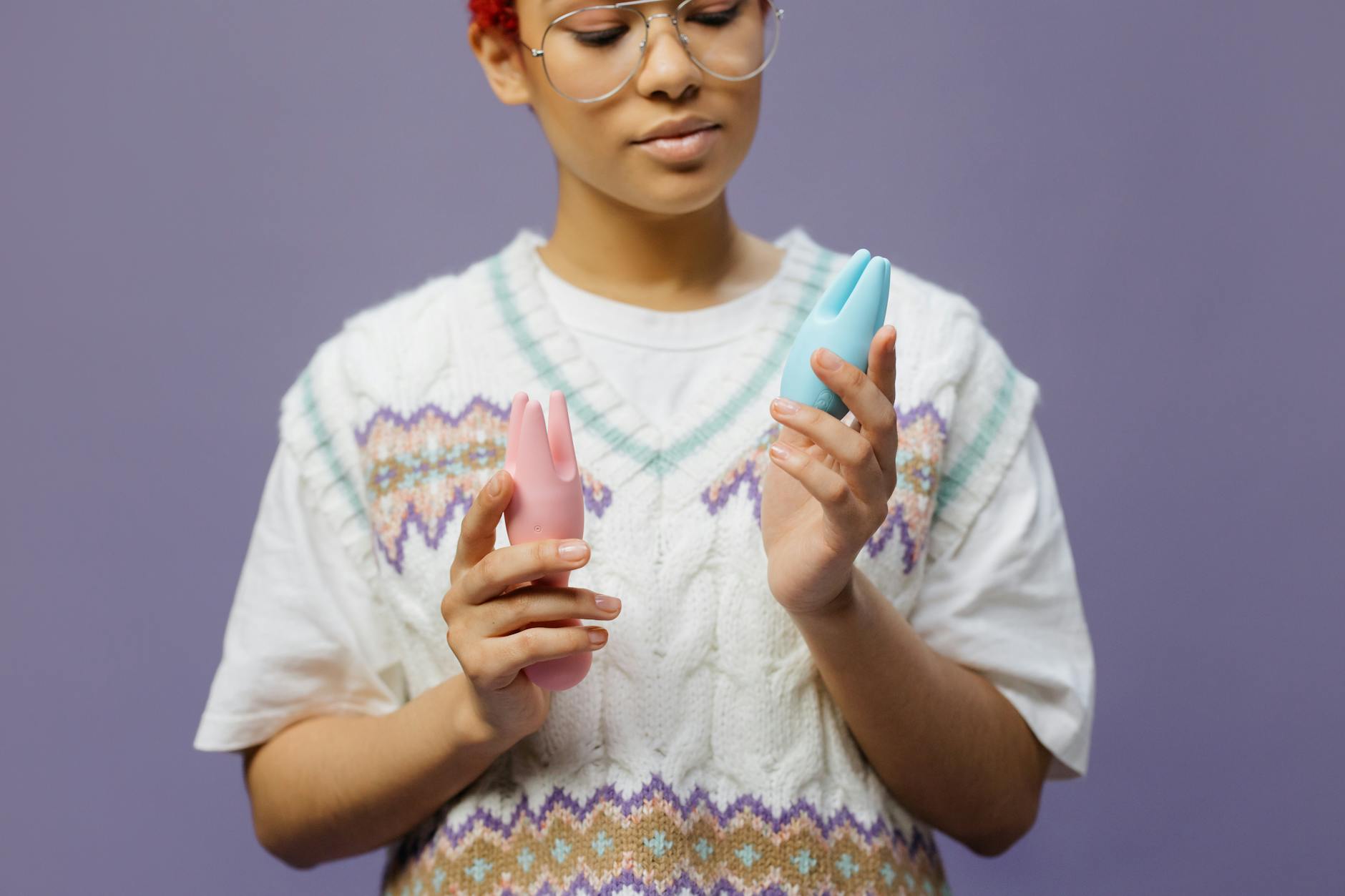
A clitoral vibrator like the Lem is specifically designed for external stimulation without the friction that can feel overwhelming on sensitive tissue. The suction and pulsing action works particularly well when arousal takes time because it creates sustained, consistent sensation without requiring your clitoris to be fully engorged from the start.
Unlike vibrators that rely on direct buzzing, a lemon sucker mimics oral stimulation, which research consistently shows creates deeper nerve activation. The pulsing action works with your body's slower arousal cycle instead of against it.
Here's the practical difference: with a traditional vibrator, you might be chasing sensation that doesn't fully arrive for 20 minutes. With a lemon clitoral vibrator, you're building sensation progressively. The rhythmic suction encourages your tissues to swell and respond, meeting you where you are right now instead of demanding you catch up.
The timeline that actually works for you
If you're using a lemon vibrator and arousal is taking time, stop trying to rush it. Budget 25-40 minutes instead of 10. This is not longer. This is just a reset on what "normal" actually means for your body now.
Break that time into phases:
Phase 1: Mental warm-up (5-10 minutes). No device yet. Thinking, fantasizing, breathing. If you're with a partner, this is talking or kissing. If you're solo, this is giving yourself permission to want something. Your brain needs to engage first.
Phase 2: External stimulation (10-15 minutes). Hands, touch from a partner, or a lemon vibrator on lower settings. The goal here is not orgasm. It's sensation. You're teaching your clitoris to wake up gradually.
Phase 3: Sustained intensity (10-15 minutes). Now you're building. If you're using a lemon vibrator, this is where you stay with pressure and let sensation deepen. Your clitoris is now engorged and responsive. Orgasm might arrive here, or it might not. That's fine.
Phase 4: Whatever happens next. Orgasm, rest, changing positions, asking for something different. There's no finish line except the one you set.
How to use a lemon vibrator for extended arousal
Here's exactly how to deploy a lemon clitoral vibrator when your body needs time:
Start on pattern 1 or 2. Not because you're weak or broken, but because your tissues are less engorged than they were at 25. A lower starting intensity actually allows deeper activation over time. You're not overstimulating at the surface.
Position it directly on your clitoris or just above the hood, depending on sensitivity. Lemon vibrators create a seal, which means they work differently than traditional vibrators. The suction needs consistent contact. Once you have contact, stay with it. Let the pulsing work on your tissue. This is not the time to move around constantly.
Here's what many people miss: patience is the actual technique. Stay on one pattern for 3-5 minutes before changing anything. Your body needs time to respond. When you jump between settings every 30 seconds, you're preventing arousal from building. It's like changing the channel before the song gets good.
If sensation feels flat after 5 minutes, that doesn't mean the vibrator isn't working. It means your clitoris hasn't engorged enough yet. Keep going. Add lubrication if you need it. Shift your mental focus. Tell your partner what you need. Give yourself permission to take the full 20 minutes just getting to "warm," never mind orgasm.
Then, once you feel swelling and sensation starting to build, you can increase the pattern. By then, your tissues are ready for more intensity. What might have felt overwhelming at minute two now feels exactly right at minute fifteen.
The mental shift that changes everything
Lower arousal doesn't mean lower capacity. It means the earlier signals are quieter. You have to listen harder.
Many people over 40 interpret slower arousal as lower desire. This is the mistake that kills sex lives. Slower arousal is just a different timing. Desire is whether you actually want to be doing this. These are separate systems.
If your partner is ready quickly and you're not, you have three real options: one, ask for extended foreplay and commit to using that time intentionally; two, use a lemon clitoral vibrator solo first so you're already warmed up when you connect; or three, separate physical arousal from partnered activity and own that you need solo preparation time.
None of these are failures. They're just honest negotiations with your own body.
When to add a partner into the mix
If you're using a lemon vibrator solo to manage longer arousal time, great. You're learning your body. But many people want partnership alongside pleasure. Here's how to frame it without turning it into performance pressure.
Tell your partner explicitly: "My arousal takes longer now, and that's actually better for me. I'd like us to spend more time in foreplay." Then use the lemon vibrator together during that extended foreplay instead of jumping straight to penetration.
Your partner can watch, touch you elsewhere, use the vibrator on you, or have you use it on yourself while they're involved in other ways. The key is collaboration, not performance. If your partner feels rejected because you need more time, that's a communication issue to address separately. But the body fact is real: arousal does take longer after 40.
What changes when you stop fighting the timeline
Once you accept that arousal takes longer and you actually use a lemon vibrator designed for sustained, progressive stimulation, several things shift. Orgasms often become stronger because your tissues are fully engorged and your nervous system has been engaged longer. You stop feeling broken or insufficient. You actually want sex again because you're not approaching it as a test you might fail.
And honestly? A lot of people find that pleasure without the rush is better than pleasure at 25. You know what you like. You're not worried about anyone else's timeline. You have time to be present instead of constantly monitoring whether you're progressing fast enough.
That's not less pleasure. That's wisdom.
People also ask
Is it normal for arousal to take longer after 40?
Completely normal. Arousal speed is connected to estrogen levels, cardiovascular responsiveness, and neural activation. All of these shift after 40. You're not alone. Most people with vulvas experience this shift around midlife, and most don't talk about it, so it feels isolating when you experience it yourself. It's not.
Can a lemon clitoral vibrator help if I'm taking antidepressants that affect arousal?
Yes, sometimes. Some antidepressants (particularly SSRIs) delay arousal and orgasm. A lemon sucker can help because sustained suction often works when other types of stimulation don't. That said, this is worth discussing with your doctor. There might be timing adjustments or alternative medications that work better for you.
How long should I spend on foreplay if arousal takes longer?
There's no magic number. 25-40 minutes is what most people need when they're committing to extended arousal time. But listen to your body. Some days it's 15 minutes. Some days it's an hour. The goal isn't speed. It's genuine readiness.
Should I use a lemon vibrator solo first, or with a partner?
Both work. Solo use is excellent for learning your body's signals without performance pressure. With a partner, it can actually deepen intimacy because you're collaborating on pleasure instead of each managing your own timeline. Start with whichever feels less stressful.
Does longer arousal mean lower desire?
Absolutely not. Arousal speed and desire are different systems. You can have low arousal response but high desire (you really want to have sex, but your body takes time to show it). Or high arousal response but low desire (your body reacts easily, but you're not interested). Don't confuse one for the other.
If my partner is ready quickly and I need more time, how do we handle that?
Talk about it directly. "I need 30 minutes of focused attention before penetration. Can we make that part of what we do?" Some couples build in solo lemon vibrator time for the slower partner. Some extend foreplay for both. Some do both sequentially. There's no one right way, but pretending the mismatch doesn't exist is the one wrong way.
What comes next
Arousal after 40 isn't slower because your body is failing you. It's different because your body is changing, and that's exactly what's supposed to happen. Using a lemon clitoral vibrator isn't about forcing arousal faster. It's about working with the pace your body has chosen and deepening sensation along the way.
If you're ready to stop fighting your timeline and start working with it, reach out. We're here to help you find what actually works for your body right now.