The gap nobody talks about
You can be aroused and feel nothing. That sounds contradictory. It's not. Your body can respond to physical stimulation. Your nervous system can activate. You can even orgasm. And at the exact same time, you can feel like you're watching it happen from behind glass. The intimacy is gone. The connection is gone. Just the mechanics remain.
This is one of the most painful experiences people describe to me in therapy, and it's also one of the least discussed. People talk about low libido. They talk about difficulty orgasming. But this particular flavor of disconnection. The one where pleasure and presence don't live in the same body. That gets quietly endured instead of named.
Here's why it matters: understanding this gap is the first step to closing it.
When emotional intimacy fractures
This disconnect happens most often after betrayal. Trust issues. Extended periods of conflict. Sometimes after parenting stress has eroded the "us" so completely that you and your partner feel like roommates managing logistics instead of lovers. Sometimes it's unrelated to your partner at all. Grief, work pressure, or depression can completely decouple your body's automatic responses from your felt sense of connection.
What happens physiologically is actually straightforward. The sympathetic nervous system (your fight-or-flight activation) and the parasympathetic nervous system (rest and digest, where intimacy lives) don't run at the same speed for everyone. Some people can get physically aroused while their parasympathetic system is completely offline. The body follows stimulus-response. The heart follows safety. They're using different maps.
The good news: they can come back into alignment. But it doesn't happen by ignoring one system in favor of the other.
Why lemon vibrators are actually useful here
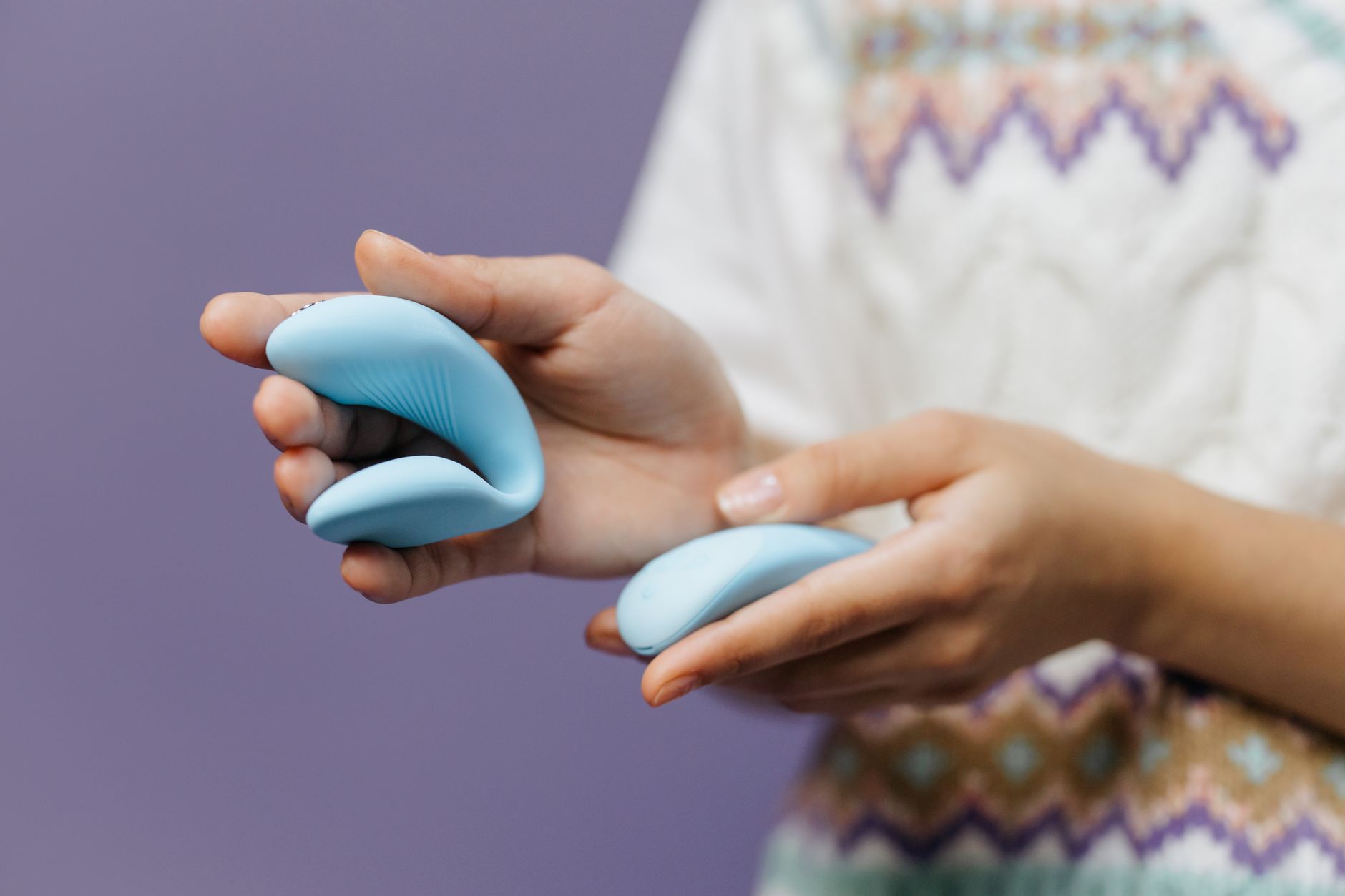
I know that sounds reductive. A device doesn't rebuild emotional intimacy. That's true. But clitoral vibrators like those from Lemon Nancy can serve as a bridge. Here's why.
When arousal feels disconnected from emotion, many people respond by avoiding pleasure entirely. They think withdrawal will somehow protect them. Instead, it usually deepens the disconnection. Your body learns that pleasure isn't safe. Your mind learns that your body can't be trusted.
A lemon vibrator reintroduces your nervous system to pleasure in a low-pressure context. Solo play with a clitoral vibrator removes the performance aspect, the emotional weight, the complex dynamics that got tangled in the first place. You're not trying to feel something for someone else. You're not managing their experience. You're just meeting your own body with attention and care.
This sounds simple. It's harder than it sounds. But it works. Here's how.
Starting with sensation, not emotion
When you've been in this particular disconnected space, the temptation is to force the feeling. To use a device and hope connection magically appears. It won't. Instead, you're looking for sensation. Not transcendence. Not passion. Just the physical experience of pleasure happening in your body.
Start with a lower intensity pattern on a Lemon Nancy device. The Lem, for instance, has multiple suction rhythms that let you stay present with physical sensation without being overwhelmed by it. Begin at pattern 1 or 2. Spend time just noticing: what does this feel like. Not how does this compare to before. Not is this working. Just the bare sensation.
This is called somatic resourcing in therapy. It's a way of teaching your nervous system that sensation can happen safely, that you can be present in your body without being flooded by emotion or expectation.
The solo play protocol
When emotional disconnection is the issue, solo pleasure actually becomes the priority. This is counterintuitive if you're used to thinking about vibrators as couple's toys. But here's the thing: rebuilding trust in your own body is a prerequisite to rebuilding intimacy with someone else.
Set aside 15 to 20 minutes. Not for the goal of orgasm. For the goal of noticing. Warm water, clean hands, the space clear of interruption. Use water-based lubricant regardless of your usual preferences. You're inviting gentleness.
Start with your hands. Spend a few minutes with direct touch before you bring in the vibrator. Notice where you feel sensation. Notice where you feel numb. This information matters. It tells you what your body is protecting and what's ready to open.
When you bring in the Lemon Nancy vibrator, treat it as a tool for exploration, not a tool for performance. Move it slowly. Notice the difference between the suction on one part of the clitoris versus another. This isn't meditation. It's active curiosity. Your nervous system needs to remember that you are trustworthy. That your own attention is safe.
What happens if pleasure still feels hollow
Sometimes you use a lemon vibrator and you orgasm and it feels like nothing. That's important information. It usually means the disconnection runs deeper than you realized. And here's the thing: that doesn't mean the vibrator isn't working. It means you need support beyond a device.
This is when you need a therapist. Specifically someone trained in somatic therapy or trauma-informed sex therapy. They can help you understand what part of your nervous system has gone offline and why. They can help you rebuild safety from the ground up. A vibrator is a tool. It's not a substitute for actual emotional work.
But a vibrator is also not pointless. It keeps the door open. It reminds your body that pleasure is still possible. It prevents the complete shutdown that sometimes happens when disconnection goes untreated.
Rebuilding with a partner (eventually)
Once you've spent some time reconnecting with your own body in solo play, the conversation with a partner becomes different. You're not saying "I need you to fix this." You're saying "I've been disconnected and I'm working on finding my way back. I need patience and I need us to slow down."
This often means explicitly separating the work. Some sessions are about rebuilding emotional intimacy: talking, being present together without physical expectation. Other sessions involve touch and arousal but not necessarily sex. And at some point, when the gap starts closing, you might use a lemon vibrator together. Not as a replacement for your own arousal, but as a way to rebuild the bridge where you both can see it and tend to it.
Many couples find that using a Lemon Nancy clitoral vibrator together is the first time in years they've experienced pleasure while actually being emotionally present with each other. The suction sensation gives your brain something specific to focus on instead of the noise of disconnection. It can be the moment the gap starts closing.
The timeline is yours
Rebuild emotional intimacy while using clitoral vibrators and you're looking at weeks or months, not days. This is not a quick fix. Your nervous system didn't disconnect overnight. It won't reconnect overnight either. The Lem or another Lemon Nancy vibrator is a tool in a larger process. It's important, but it's not the whole process.
Be patient with yourself. Notice small moments of presence. A moment where you're using the vibrator and you actually feel the sensation instead of just observing it. A conversation with your partner where honesty feels possible again. These tiny shifts accumulate.
Your body knows how to feel. Your heart knows how to trust. They just need time and attention and the right conditions to remember that they can do both at the same time.
FAQ: Arousal, Connection, and Clitoral Vibrators
Can you have an orgasm without emotional connection?
Yes. This is actually the core problem people describe when they feel this disconnection. The body responds to stimulus. It doesn't require emotional presence. This is why someone can be physically aroused and feel nothing. Your nervous system is compartmentalizing. It's protecting you, though it also creates this painful gap between what your body does and what your heart feels.
Is it normal to feel numb during solo play with a vibrator?
It's common and it's not permanent. When disconnection runs deep, your nervous system can shut off sensation to protect you. Using a clitoral vibrator slowly and with attention can help your body remember that sensation is safe. But if numbness persists over weeks of solo play, that's a sign you need support beyond a device. A therapist trained in somatic work can help you understand what's underneath.
Should I use a lemon vibrator if my partner doesn't know about it?
That depends on your relationship agreements. Some couples are comfortable with solo play being private. Others prefer to be transparent about it. What matters more is whether you're using the vibrator as a way to rebuild intimacy with yourself as a stepping stone toward reconnection with your partner, or whether you're using it to avoid that reconnection. One is healing. The other is avoidance.
How long before solo play with a Lemon Nancy vibrator helps emotional reconnection?
You might notice a shift in 2-3 weeks of consistent solo exploration. Deeper reconnection usually takes 6-12 weeks, depending on how long the disconnection has been there and whether you're also doing emotional work with your partner or a therapist. The vibrator creates conditions for reconnection. It doesn't do the work for you.
What if emotional intimacy returns but arousal doesn't?
This is also common and it's usually a sign that physical activation and emotional safety are decoupling in a different direction. You feel connected but your body isn't responding. This sometimes points to low desire more than disconnection. How to Use Lemon Vibrators When Your Libido Drops After Starting Antidepressants covers that angle in depth. But it can also mean you need more buildup time. Use your Lemon Nancy vibrator slowly and with patience. Your body will respond when it feels safe.
Is it better to use a suction vibrator like the Lem or a traditional vibration toy when reconnecting emotionally?
Clitoral vibrators that use suction, like the Lem, often work better in this context because they create sensation without the intensity of direct vibration. Suction feels more like touch. It doesn't override your awareness. You stay present with what's happening instead of getting swept away. But this is individual. Some people need the stronger stimulus of a traditional vibrator to feel anything at all. Start with whatever feels least overwhelming and adjust from there.
Can using a vibrator alone fix a broken relationship?
No. A lemon clitoral vibrator is a tool for reconnecting with your own body and rebuilding your own nervous system safety. It's not a relationship fix. If the relationship itself is unhealthy, a vibrator won't change that. What it can do is help you stay sane and present while you decide whether reconnection is possible, and if it is, while you do the actual work of rebuilding it.
The work starts with you
Emotional disconnection from arousal is one of the loneliest experiences. Your body isn't broken. Your heart isn't broken. But the bridge between them has collapsed. Using a lemon vibrator with intention and patience can help you rebuild that bridge from the inside. Not by forcing feeling, but by teaching your nervous system that sensation and safety can coexist. From there, reconnection becomes possible.
If you're struggling with this and need support beyond what solo play can offer, reach out. A therapist or coach can help you understand what happened and how to rebuild.