The anxiety-arousal trap is neurological, not psychological
Let's be real. When anxiety is high, arousal feels impossible. You want it. Your partner might want it. Your brain has other ideas. That's not a personal failure, a relationship problem, or a sign you've lost your sexuality. It's your nervous system doing exactly what it was designed to do.
Here's the neurology: arousal requires your parasympathetic nervous system to be in charge. That's the rest-and-digest branch. Anxiety flips the switch to your sympathetic nervous system, the fight-or-flight one. When fight-or-flight is active, blood vessels constrict, lubrication stops, sensation dulls, and orgasm becomes neurologically inaccessible. Your body is literally locked out of pleasure mode.
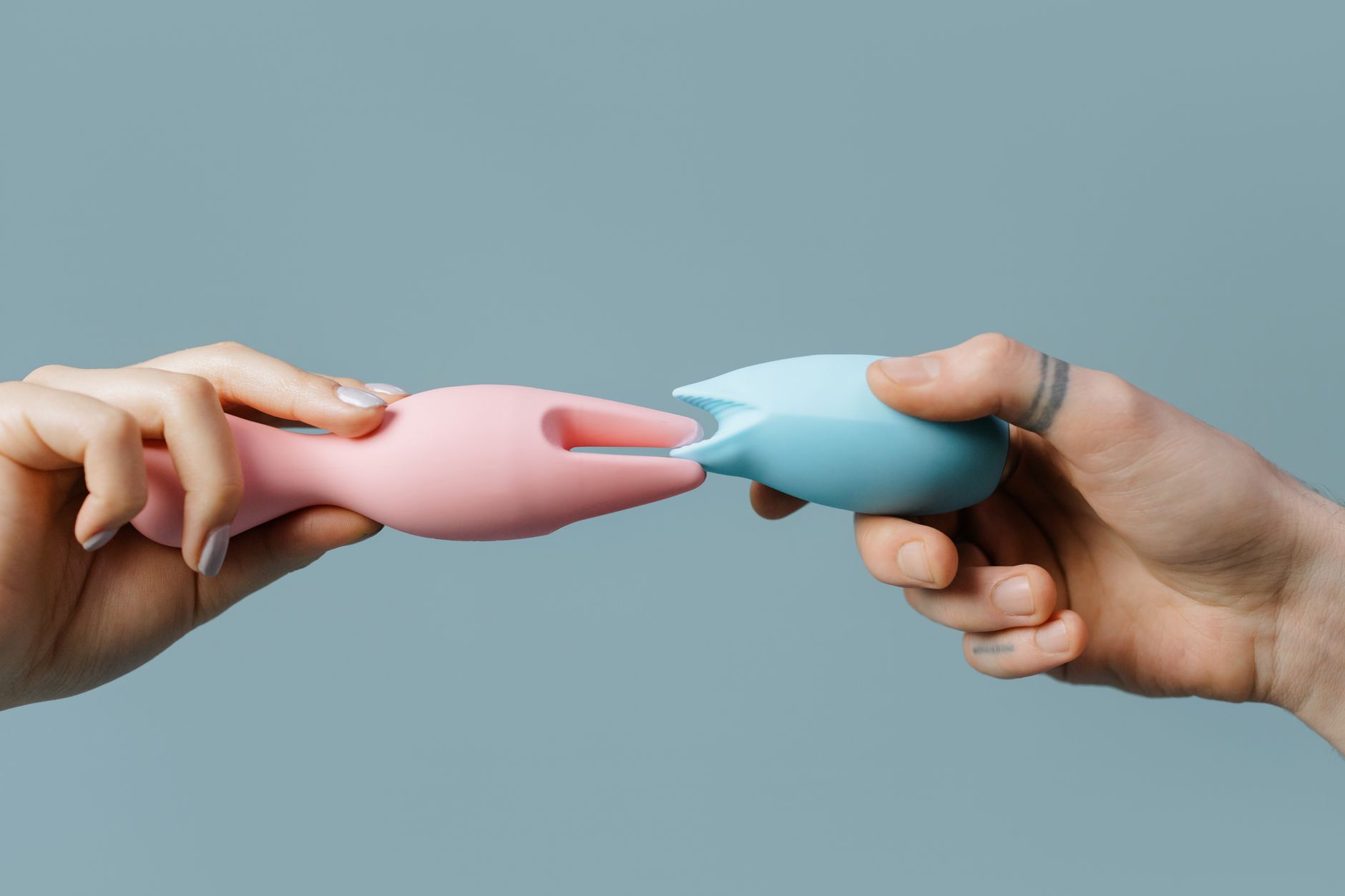
The good news is that this isn't permanent. And lemon clitoral vibrators like the Lem work with your nervous system in ways that other tools don't. Understanding why changes everything.
Why vibration works when anxiety has shut you down
Vibration is a strong sensory input. It does something fascinating: it can bypass the thinking brain and speak directly to your nervous system. When you're anxious, your prefrontal cortex (the decision-making part) is hijacked by your amygdala (the alarm system). Vibration gives your nervous system a different signal to process. It's not a thought. It's a sensation.
Lemon vibrators specifically use pulsating suction patterns, not just buzzing. That rhythm activates the vagus nerve, which is the primary highway between your gut and your brain. Stimulating the vagus nerve tells your parasympathetic nervous system that it's safe to engage. Over time, this rewires your automatic response to arousal.
It's not magic. It's neuroscience. Your body needs a concrete reason to believe arousal is safe right now. Vibration provides that.
Building a foundation: nervous system first, pleasure second
Before you even touch a lemon vibrator, your job is to get your nervous system out of high alert. If you skip this step, the vibrator won't feel like pleasure. It'll feel like pressure.
Start here: five minutes of genuine rest. Not phone scrolling. Not thinking about your to-do list. Actual rest. Sit or lie down, put one hand on your chest and one on your belly, and breathe slowly. Inhale for four counts, exhale for six. The longer exhale tells your parasympathetic system the threat has passed.
Then add a second layer: touch that has nothing to do with arousal. Run your hand slowly down your arm. Pay attention to temperature, texture, pressure. This teaches your body to notice sensation without expecting it to lead somewhere. Anxiety often comes with numbness because you're braced against feeling. Non-sexual touch breaks that pattern.
Only when you feel genuinely calm, not just distracted, pick up the vibrator.
Starting with patterns that feel safe
This is where most people mess up. They assume lower intensity means safer, so they crank the Lem to the gentlest pattern and expect arousal to follow. That's backwards. Lower intensity can actually feel more intrusive when you're anxious because there's more space for your brain to intrude.
Start instead with a rhythm that takes up your entire attention. For lemon vibrators, that means beginning on a mid-range pulsing pattern, not the lowest setting. The rhythm should be noticeable enough that your brain can't wander to your anxiety. You're looking for what I call the "absorption threshold" where the sensation is interesting enough to hold your attention but not so intense that it triggers the fight response.
Spend 10 minutes here. No goal. No pressure to feel aroused. You're just letting your nervous system recognize vibration as information, not threat.
The role of breathing during stimulation
Your breath and your nervous system are tethered. When anxiety is active, breathing gets shallow. Most people hold their breath during arousal anyway, which is normal. But when you're anxious, holding your breath amplifies the anxiety signal.
While using lemon vibrators, consciously breathe through your mouth slightly open. Not forced breathing. Just available. This does two things: it makes breath sounds audible, which grounds you in the present moment, and it keeps your parasympathetic system engaged. If you notice yourself holding your breath, that's useful data. It means your nervous system is retreating back to threat mode. Pause, reset your breathing, and start again.
Many of my clients report that breath is the missing piece. Once they stopped holding their breath, sensation flooded back.
When to involve your partner (and when not to)
If you have a partner, this is worth discussing before you pick up the vibrator. Not as a performance discussion. As a nervous system conversation.
You might tell them: "When I'm anxious, my body doesn't trust arousal. I'm going to spend some time with the vibrator to help my nervous system relax. This is about rewiring my own response, not a signal about you or what I want."
Some people need solo time first. Some people find partner presence calming once they've explained it. There's no rule. But confusion breeds anxiety. Clarity breeds safety.
If you do use lemon vibrators with a partner present, ask them to be still and quiet during the first sessions. Narration, suggestions, or comments are distracting when your nervous system is fragile. Presence without commentary is what helps.
Building the bridge back to partnered pleasure
Once you've spent a few weeks using lemon clitoral vibrators solo, introducing them to partnered time becomes much less fraught. Your nervous system has new memories of vibration feeling safe and pleasurable. That rewires the association.
When you're ready, the progression is simple. Use the vibrator alone first while your partner is present but occupied nearby. Then ask them to sit nearby and hold your hand. Then ask them to touch you (non-sexually) while you use the vibrator. Then they can hold the vibrator.
Each step gives your nervous system more information that pleasure and partnership can coexist without threat. Anxiety thrives on the belief that intimacy is dangerous. These progressive exposures directly contradict that story.
What anxiety-driven numbness feels like and how long it takes to shift
When anxiety has been running the show, the clitoris often feels numb. Not absent. Just quiet. Like someone turned down the volume on all sensation. This is dissociation at the tissue level. It's protective, but it makes everything feel futile.
Using lemon vibrators consistently over three to four weeks typically brings noticeable shifts. The first sign is usually a slight tingling, almost like a limb waking up after being asleep. Then sensation becomes sharper. Then pleasure returns.
But here's the honesty: this only works if you're also addressing the anxiety itself. A vibrator can't out-stimulate a nervous system that's convinced danger is constant. If anxiety is pervasive, talk to a therapist. Medication, talk therapy, somatic work, all of it is valid. The vibrator works best as part of a larger picture, not as the whole solution.
The patience piece that actually matters
Anxiety makes everything feel urgent. You want arousal to come back now. That urgency itself triggers the nervous system to stay defensive.
Instead, think of this as a nervous system reset, not a pleasure rescue mission. You're not trying to fix yourself. You're just consistently sending a signal: vibration is safe, sensation is welcome, arousal is possible. Your body will catch up when it believes the signal.
Many people report that the shift happens suddenly, after weeks of feeling minimal change. One day the vibrator feels different. Pleasure starts building. The dam breaks. That's not random. That's your nervous system finally deciding it's safe to engage.
Until then, the goal is consistency and patience with yourself. You're rewiring years of anxiety. That takes time. It takes repetition. It takes showing up without expectation. Lemon vibrators make that possible, but only if you're willing to meet your nervous system where it actually is, not where you wish it were.
People also ask
Can anxiety medication affect how vibrators work?
Most anti-anxiety medications improve vibrator response over time because they calm the sympathetic nervous system, giving your parasympathetic system space to engage. SSRIs and SNRIs can delay orgasm as a side effect, but that's separate from arousal or sensation. If you're newly medicated, give it four to six weeks before judging how vibrators feel. The medication is helping your nervous system relax in a way that supports pleasure. Work with your medication rather than against it.
What if using lemon vibrators triggers panic instead of pleasure?
That's actually important information, not failure. It usually means your nervous system isn't ready yet, or the stimulation pattern doesn't match your current tolerance. Pause. Go back to the breathing work. Try again after a few days of nervous system rest. If vibration consistently triggers panic, talk to a trauma-informed therapist before continuing. Sometimes anxiety is protecting you from something real that needs attention first.
How long before arousal returns if anxiety has made sex feel numb for months?
Three to six weeks of consistent solo use is typical before sensation noticeably returns. Some people feel shifts within days. Others take eight weeks. The nervous system works on its own timeline. Consistency matters more than frequency. Using lemon vibrators three times a week with genuine presence is better than daily use while distracted. Quality of attention rewires faster than quantity of exposure.
Does using vibrators alone make it harder to respond to a partner?
The opposite is true. Solo rewiring teaches your nervous system that pleasure is possible. That confidence transfers. Once you've built the neural pathway with a vibrator, your brain recognizes that pathway with a partner too. You're not replacing your partner. You're building your own capacity, which benefits any situation.
Can anxiety come back even after pleasure returns?
Yes. But now you know what to do. The pathways are there. Nervous system resets that took weeks the first time might take days the second time. You've taught your body the route back to safety. That doesn't disappear.
Is there a best time of day to use lemon vibrators when anxious?
Early morning or mid-afternoon, before cortisol rises, tends to work better than evening for anxiety-prone nervous systems. But listen to your own body. Some people find evening wind-down time more conducive once they're in the habit. Consistency in timing helps your nervous system predict safety. Pick a time that feels realistic to maintain and stick with it.
The real work starts with your nervous system
Anxiety doesn't mean you've lost your sexuality. It means your nervous system is running a very old program designed to keep you safe. Lemon vibrators are a tool that helps you send a new signal. But the real work is learning to trust that arousal is possible even when your brain is uncertain.
Start with breathing. Start with nervous system calm. Then let the vibration do what it's designed to do. Rewire the pathways that connect safety, sensation, and pleasure.
Your capacity for arousal is still there. You're just building the bridge back to it.