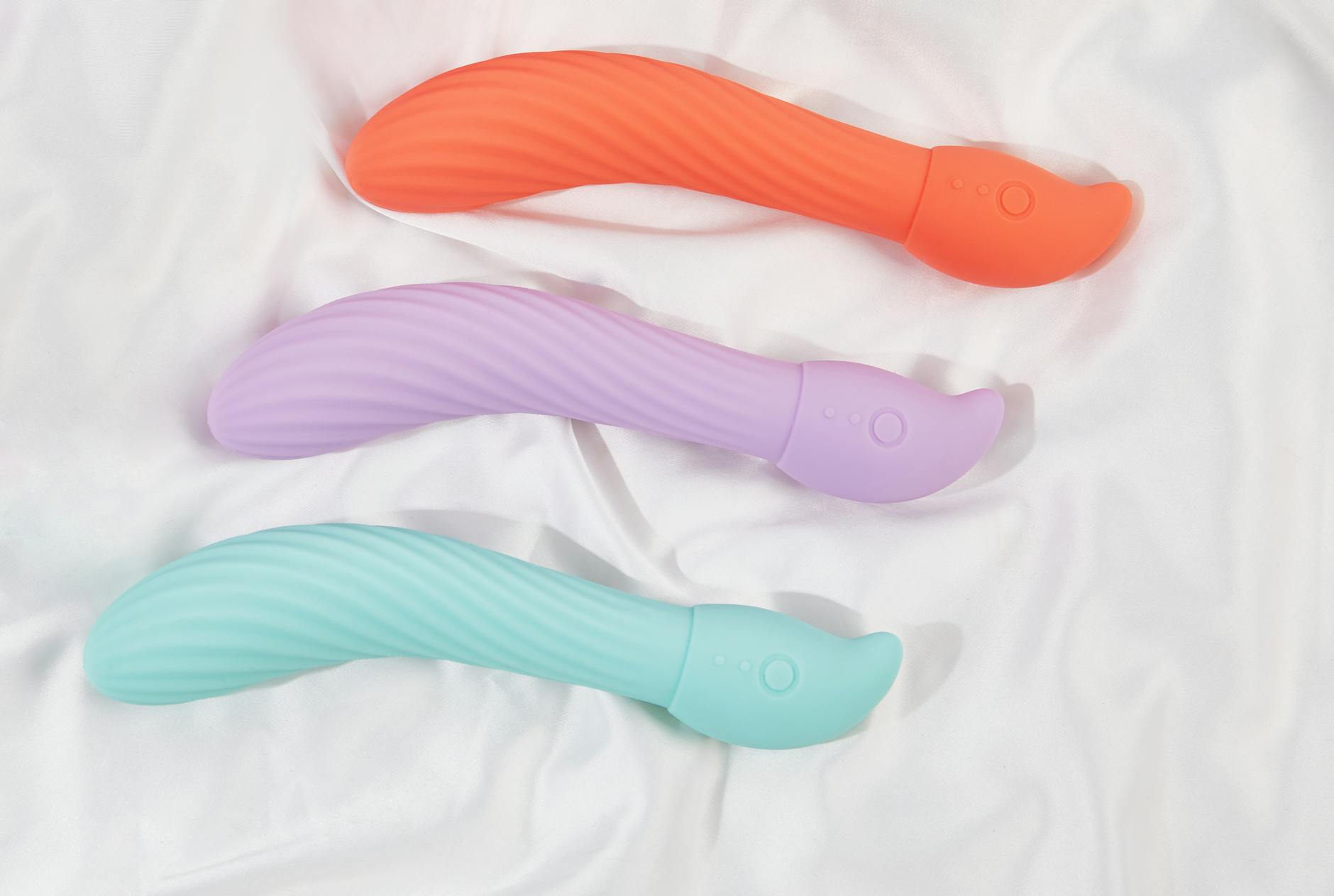
Let's start with the real talk
Your body is not a standard issue. Neither is anyone else's. That's why a lemon vibrator that makes your partner lose their mind might feel completely wrong on your skin, and vice versa. The difference isn't about being broken or weird. It's anatomy.
When you're shopping for a clitoral vibrator, most guides skip the part that actually matters. They tell you about patterns and power levels, but they don't talk about how your vulva's tissue thickness, clitoral hood shape, and nerve distribution change what you feel. A lemon sucker works differently depending on who's using it, and that's the whole point.
How anatomy shapes the experience
Your clitoris has about 8,000 nerve endings packed into a small area. But that area isn't identical from person to person. The clitoral glans varies wildly in size and positioning. Some people have a prominent glans that sits forward; others have one tucked under a thicker hood. Some have tissue that's naturally thicker and more resilient; others have tissue that's thinner and more reactive to pressure.
This matters because lemon vibrators work through suction and gentle pressure, not deep vibration. That design is actually perfect for bodies with sensitive tissue because it doesn't require direct friction. But how much suction feels good depends on how your anatomy responds.
People with a more prominent clitoral glans often find that the suction sensation is immediately noticeable, sometimes even intense on first use. If that's you, starting on the lower intensity settings isn't about being delicate. It's about letting your nervous system recognize the sensation without overload.
People with a less prominent glans or a thicker clitoral hood might need to experiment with positioning to find the angle where the suction actually reaches the tissue underneath. That's not a design flaw. It's just what works with your body's shape.
Tissue thickness and what it means
Here's something most people don't know about their own bodies: the thickness of your genital tissue changes throughout your life and even throughout your cycle. Estrogen makes tissue thicker and more elastic. Without it, tissue becomes thinner and more delicate.
This is why someone who's been through menopause, going through significant hormonal shifts, or taking certain medications might find that a vibrator that felt comfortable a year ago now feels too intense. It's not the vibrator that changed. It's your tissue.
A lemon vibrator actually handles this better than traditional vibrators because the suction mechanism doesn't rely on friction. You can have thinner, more sensitive tissue and still use it comfortably. You just might prefer lower suction intensity or shorter sessions to start.
If you're dealing with genitourinary syndrome of menopause (GSM) or any condition that makes tissue particularly delicate, a water-based lubricant makes everything smoother and protects your tissue from micro-abrasions. This matters more with air-suction toys than with standard vibrators because suction can feel drying over time.
Body size and positioning
One thing nobody talks about: the physical logistics of using a toy change based on your body. If you have a larger body or carry weight in your lower abdomen, the angle at which you access your clitoris is different from someone who doesn't. That changes whether a curved toy feels natural or awkward, and whether you're comfortable using it solo or prefer a partner's hands.
A lemon vibrator is relatively compact and intuitive to hold, which makes it work well for most body types and positioning preferences. But if you're someone who prefers to use toys hands-free or during partner sex, you might prefer the flexibility of a panty vibrator or a remote-controlled option over a handheld lemon clitoral vibrator.
The weight distribution also matters. Some people prefer heavier toys because they feel more substantial and substantial feels more controllable. Others prefer lightweight options because they're easier to hold for longer periods. Neither is better. It's just what your nervous system prefers.
Nerve distribution patterns
Here's something rooted in solid neurology: not everyone's clitoris has identical nerve distribution. Most of the sensation concentrates on the glans and the frenulum (the underside, where the glans meets the body). But some people have heightened sensitivity along the side of the glans. Others feel the strongest sensation at the base.
With a standard vibrator, you're applying vibration directly, so you need to find the exact spot through trial and error. A lemon vibrator creates a broader field of stimulation through suction, which can actually make it easier to hit the right spot without overthinking it.
If you know you have a specific sensitive area, that knowledge is valuable. But if you don't know yet, that's completely normal. Most people discover their own preferences over time, not through research.
Sensitivity variations and what controls them
Some days your body feels receptive and responsive. Other days, the same stimulation feels annoying or even painful. That's not inconsistency. That's your nervous system being context-dependent, which is how nervous systems actually work.
Stress levels change sensitivity. So does blood flow, hydration, where you are in your cycle (if you have one), how much sleep you got, and what's happening in your relationship. A lemon vibrator's adjustable intensity is genuinely useful for this, because you're not switching toys. You're adjusting how one toy meets your body's current state.
People with sensory processing sensitivities or autism spectrum traits sometimes find that traditional vibrators feel overwhelming because the sensation is constant and direct. Suction-based toys can feel less intrusive because the stimulation is broader and can be interrupted more easily.
Choosing the right intensity level
The common mistake: thinking that higher intensity is always better, or that lower intensity means the toy isn't working. Neither is true.
Lower intensity settings on a lemon clitoral vibrator are not "training wheels." They're useful for people who prefer gentler stimulation, who have more sensitive tissue, who are building arousal slowly, or who just like the feeling better. There's no hierarchy.
Higher intensity settings aren't automatically better either. They're useful for people who need stronger input to feel stimulated, who like quick orgasms, or who just prefer it. But even those people usually benefit from starting lower and building up, because intensity shocks your nervous system in a way that building up doesn't.
Start at the lowest setting for your first few uses. Your body will tell you if it wants more. That's not hesitation on your part. That's listening.
Duration and pacing
This is underrated in conversations about sex toys. How long you use a toy matters as much as what intensity you use it at.
Some bodies can tolerate sustained suction for 20 minutes without issue. Others feel more comfortable with 10-minute sessions, or with pauses built in. There's no universal right answer. If you're building arousal and exploring, shorter sessions with breaks often create more interesting sensations than one long marathon.
Pacing also changes with body type and tissue thickness. Someone with naturally thicker tissue might enjoy sustained intensity. Someone with delicate tissue might prefer shorter bursts with breaks to prevent numbing or micro-irritation.
Your body will adapt and respond differently to different durations. Track what feels best, not what you think should feel best.
When to see a specialist
If intense sensations are painful rather than pleasurable, that matters. If you can't reach orgasm and haven't been able to for months or years, that matters. If you feel numbness or loss of sensation, that matters too.
These aren't failures. They're signals that something's worth exploring with a healthcare provider who understands sexual health. That might be a gynecologist, a pelvic floor physical therapist, or a sex-positive healthcare provider who specializes in sexual function.
A lemon vibrator is a tool, not medicine. But a good healthcare provider can help you understand whether the issue is anatomical, hormonal, neurological, or relational. Then you'll know whether the right vibrator alone will help, or whether you need additional support.
The bottom line
Your body is the expert on what feels good. A lemon clitoral vibrator works with different body types because it's adjustable and its mechanism (suction rather than deep vibration) is adaptable. But it's your responsibility to listen to what your specific body is telling you, adjust based on what you discover, and reach out for help if something feels wrong.
That's not complicated. That's just respect for your own nervous system.
People Also Ask
Do lemon vibrators work for all body types?
Lemon suction vibrators are designed to work across different anatomies because suction creates a broader field of stimulation than direct vibration. However, results depend on clitoral anatomy, tissue sensitivity, and personal preference. Someone with a prominent clitoral glans might feel the suction immediately, while someone with a thicker hood might need to experiment with positioning. Both experiences are normal and valid.
How do I know if a lemon vibrator will feel too intense for my body?
Start with the lowest intensity setting for your first few uses. Your nervous system will signal whether you want more, and you can adjust from there. If even the lowest setting feels painful (not just intense), that's useful information. You might have tissue sensitivity that needs support from a healthcare provider, or you might just prefer a different type of stimulation. Neither means the toy is wrong.
Can I use a lemon clitoral vibrator if I have really sensitive tissue?
Yes, and a lemon vibrator often works better than traditional vibrators for sensitive tissue because suction doesn't require the same direct friction. The key is using lubricant to prevent drying, starting at the lowest intensity, and taking breaks if you feel numbness or irritation developing.
Does tissue thickness change how a lemon vibrator feels?
Completely. Thicker tissue tends to respond well to sustained suction at higher intensities. Thinner tissue (common after menopause or with certain conditions) often feels better with lower intensity and shorter sessions. If your tissue thickness has changed due to hormones or health changes, you might find that adjusting the intensity of a lemon vibrator helps more than switching toys entirely.
What if a lemon vibrator doesn't feel like anything?
That usually means positioning or intensity needs adjustment, or your body isn't in a state of arousal yet. Numbness can also develop with sustained use, so taking a break or switching to intermittent pulses sometimes helps. If you've tried adjusting intensity and positioning over several sessions and still feel nothing, that's worth discussing with a healthcare provider who specializes in sexual health.
How does my body position affect how a lemon vibrator works?
Your positioning changes the angle at which the toy reaches your clitoris. Some bodies feel more sensation from a direct approach, others from a side angle, others from underneath. The compact size of a lemon vibrator makes it easy to experiment with different angles and find what works for your anatomy without needing to switch devices.
Moving forward
Your body isn't broken if standard toys don't feel right. You're just learning what your nervous system actually prefers. A lemon vibrator's adjustability and mechanism make it adaptable to different bodies, but the real tool is paying attention to what your body tells you as you explore.
If you're ready to experiment, starting at a low intensity and building from there is the safest way forward. And if something doesn't feel right, reaching out to a healthcare provider who specializes in sexual health is always an option. Your pleasure matters, and that means getting support when you need it.