Let's get real about sensitive tissue
If your vulva has ever felt raw after sex, or if standard vibrators leave you sore or numb, you're not alone. Sensitive skin down there isn't a flaw. It's actually the norm for a lot of people, especially those dealing with hormonal shifts, recovering from childbirth, or managing conditions like vulvodynia or lichen sclerosus. The problem isn't your body. It's that most vibrators are designed with the wrong physics in mind.
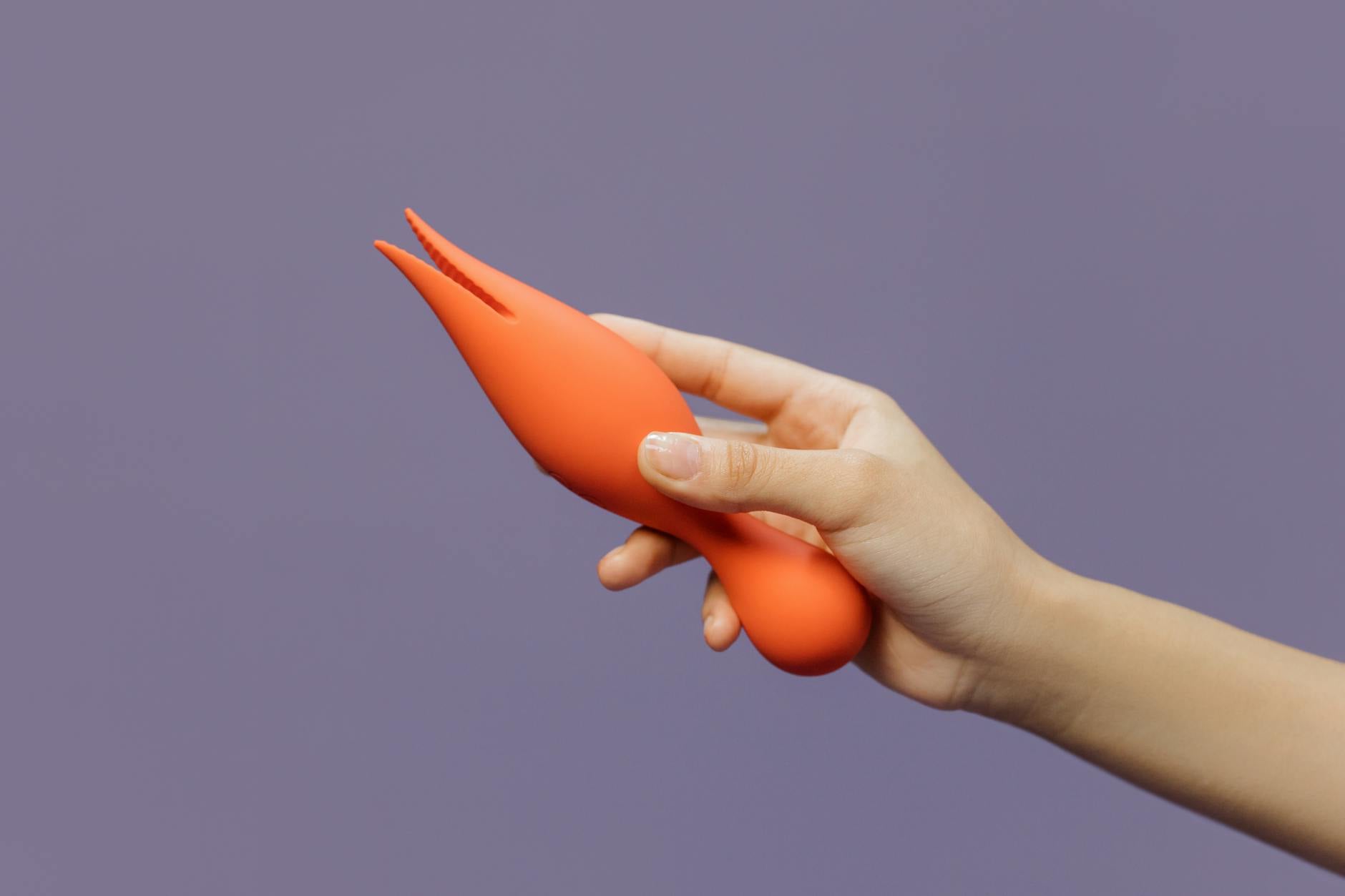
Lemon vibrators (also called lemon clitoral vibrators or lemon suckers) use suction instead of direct vibration. That changes everything for sensitive tissue. Here's why they work so much better, and how to use them without irritation.
How suction differs from vibration
Traditional vibrators work through rapid mechanical oscillation. The toy moves back and forth hundreds of times per second, creating stimulation through friction and pressure. For tough, less sensitive tissue, this is fine. For delicate vulval skin, friction is the enemy. It causes micro-tears, redness, and the numb, raw feeling that makes you avoid pleasure altogether.
Suction works differently. Instead of moving side to side, a lemon clitoral vibrator creates a gentle pulling sensation that stimulates the nerve clusters under the skin without direct mechanical friction. Think of it like the difference between rubbing your eyes hard and gently cupping your eyelids. Same goal, completely different mechanism.
This is why lemon vibrators are particularly good for sensitive vulvas. The stimulation is concentrated but not aggressive. You're not dragging anything across tissue. You're creating a change in pressure that wakes up nerve endings without traumatizing them.
Why sensitive tissue needs different design
Your vulva has about 8,000 nerve endings concentrated in a small area. When tissue is already inflamed, irritated, or thin from hormonal changes, those nerves are closer to the surface and more reactive. A standard vibrator can feel like a jackhammer. A suction-based toy feels like precision work.
For people managing vulvodynia or vulval pain conditions, suction is often the only thing that doesn't make symptoms worse. For those recovering from childbirth, lemon sexual toys allow pleasure to return without the fear of re-injury. For anyone with naturally sensitive skin, suction just feels better. Less punch, more nuance.
The science backs this up. Studies on clitoral stimulation show that gentler, more targeted approaches produce better arousal and orgasm quality in people with sensitive tissue. Lemon vibrators essentially invented that approach.
The role of vibration intensity
Here's where it gets interesting. Most lemon vibrators still have vibration, but it's secondary. The primary stimulation is suction. When vibration is included, it's usually at lower, gentler frequencies that complement the suction rather than dominate it.
This matters because vibration without friction works differently than vibration with friction. When a vibrating toy is pressed directly against delicate skin, the vibration shakes the skin back and forth, increasing friction and irritation. When a lemon clitoral vibrator vibrates inside a suction cup, the vibration travels through the cup to the tissue, but friction is minimal.
You get stimulation without trauma. For sensitive vulvas, that's the sweet spot.
Positioning and pressure control
One advantage of lemon suckers is that they give you total control over pressure. You're not vibrating faster or slower. You're moving closer or further, or adjusting the seal. This matters hugely for sensitive skin.
With a traditional vibrator, if it's too intense, your options are limited. You can reduce vibration speed, but you're still dealing with friction. With a lemon vibrator, you can dial intensity down to almost nothing by loosening the seal or pulling slightly away. You're in charge of every sensation.
This control is especially valuable when you're exploring after pain or numbness. You can start at almost no pressure and gradually increase only as your body feels ready. That's not possible with most vibrators.
Materials matter too
Most quality lemon vibrators are made from body-safe silicone. Silicone doesn't absorb bacteria or harbor microbes the way cheaper materials do, which is critical for sensitive vulvas. A small tear or irritation can quickly become infected with the wrong toy material.
Silicone is also non-porous, which means it won't absorb lube and then shed particles against your skin. Sensitive tissue needs protection, and material choice is part of that protection.
What to avoid if you have sensitive skin
Skip anything with a flat, rigid head if your vulva is sensitive. Skip high vibration speeds as a starting point. Skip toys that require heavy pressure to work. And skip anything that promises